When to Consult a Sleep Specialist for Persistent Sleep Problems
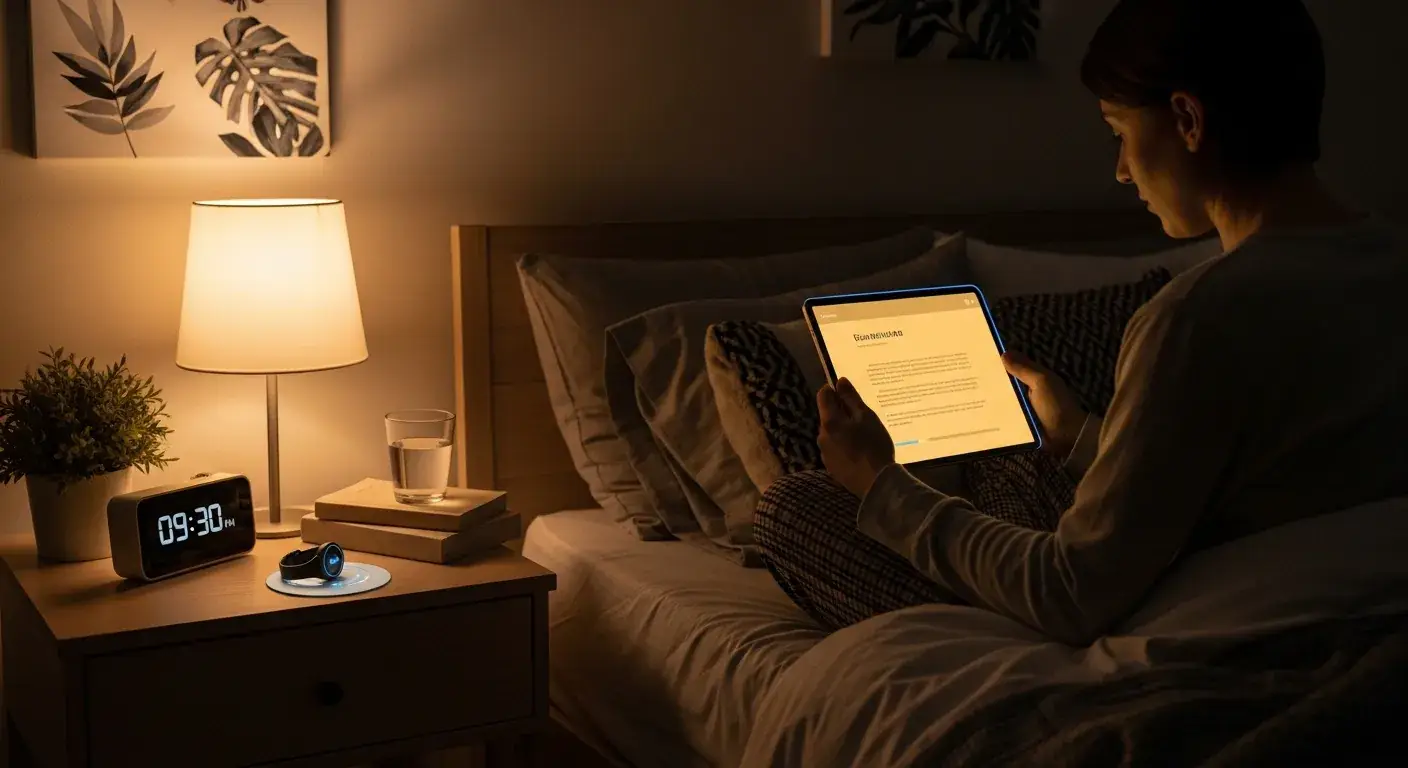
When to Consult a Sleep Specialist for Persistent Sleep Problems
Persistent sleep problems can significantly disrupt your daily life, affecting mood, productivity, and overall health. While occasional restless nights are normal, a continuous struggle with sleep often signals an underlying issue that warrants professional attention. Knowing when to consult a sleep specialist for persistent sleep problems is the crucial first step toward regaining restful nights and improving your quality of life. These experts possess the specialized knowledge and tools to diagnose and treat a wide array of sleep disorders, offering tailored solutions beyond simple lifestyle adjustments.
Ignoring chronic sleep issues can lead to more severe health complications, from cardiovascular problems to impaired cognitive function. This guide will help you understand the signs that it's time to seek expert help, what a sleep specialist does, and how modern technology plays a role in diagnosis and management. Don't let sleep deprivation control your life; empower yourself with the information to make informed decisions about your sleep health.
Key Points:
- Chronic sleep problems require expert evaluation.
- Sleep specialists diagnose and treat complex sleep disorders.
- Timely intervention prevents long-term health issues.
- Understand common symptoms that warrant a consultation.
- Modern technology assists in accurate diagnosis and treatment.
Recognizing the Red Flags: Signs It's Time to Consult a Sleep Specialist
Deciding when to consult a sleep specialist for persistent sleep problems often begins with recognizing specific symptoms that go beyond typical fatigue. These signs are indicators that your body and mind are struggling significantly, and self-help methods may no longer be sufficient. Persistent difficulty falling or staying asleep, known as insomnia, is one of the most common reasons individuals seek professional help. If you consistently take more than 30 minutes to fall asleep, or wake up multiple times during the night, interrupting your sleep cycle, it's a clear signal.
Another critical red flag is excessive daytime sleepiness, regardless of how many hours you believe you slept. This can manifest as falling asleep inadvertently during meetings, while driving, or during other sedentary activities. Such sleepiness isn't just an inconvenience; it can be dangerous. Loud, chronic snoring, especially when accompanied by gasping or choking sounds, points strongly towards sleep apnea, a condition where breathing repeatedly stops and starts. Furthermore, experiencing unusual sleep behaviors like restless legs syndrome, sleepwalking, or vivid nightmares that disturb your rest should also prompt a visit to a specialist. A 2024 report by the National Sleep Foundation highlighted that symptoms persisting for more than three months often indicate a diagnosable sleep disorder that benefits from expert intervention.
What Does a Sleep Specialist Do? Unraveling the Diagnostic Process
Understanding what a sleep specialist does helps demystify the process of seeking help for persistent sleep problems. These medical doctors are trained in sleep medicine, equipped to diagnose and manage a vast spectrum of sleep disorders. Their approach is comprehensive, starting with a detailed review of your medical history, sleep habits, and lifestyle. This initial consultation often involves discussing your symptoms, their duration, and any factors that seem to aggravate or alleviate them.
A key part of their work involves advanced diagnostic tools. The most common is a polysomnography, often referred to as a sleep study. During this overnight test, various physiological parameters are monitored, including brain waves, eye movements, muscle activity, heart rhythm, and breathing patterns. This data provides a wealth of information crucial for identifying specific sleep disorders like sleep apnea, narcolepsy, or periodic limb movement disorder. For daytime sleepiness, a Multiple Sleep Latency Test (MSLT) might be recommended to measure how quickly you fall asleep in a controlled environment. These objective measurements are vital for an accurate diagnosis, far surpassing what self-reported symptoms alone can provide.
Differentiated Value: Leveraging Technology in Your Sleep Journey
In today's landscape of technology and sleep management, the journey to better sleep is increasingly data-driven. This is where a sleep specialist offers differentiated value beyond traditional approaches. While many people use wearable devices to track sleep, these consumer-grade tools provide general trends, not clinical diagnoses. A specialist can help you interpret this raw data meaningfully, pointing out patterns or anomalies that might indicate an underlying issue requiring further investigation. For instance, consistently low REM sleep percentages or frequent awakenings logged by your smartwatch could be compelling evidence to bring to your consultation, providing a valuable starting point for discussion.
Furthermore, specialists are often at the forefront of implementing cutting-edge diagnostic and therapeutic technologies. Beyond traditional sleep studies, some clinics use advanced home sleep apnea testing devices that offer clinical-grade accuracy in a comfortable home setting. For treatment, technologies like auto-adjusting CPAP machines, advanced oral appliances, and even apps integrated with cognitive behavioral therapy for insomnia (CBT-I) are part of a specialist's toolkit. My professional opinion is that embracing these technological aids, under the guidance of a specialist, significantly enhances both diagnostic precision and treatment efficacy, moving beyond a one-size-fits-all approach to truly personalized sleep care.
The Impact of Untreated Sleep Disorders on Overall Health
Delaying when to consult a sleep specialist for persistent sleep problems can have profound and lasting negative impacts on your overall health. Sleep is not merely a period of rest; it's a critical time for bodily repair, memory consolidation, and hormonal regulation. Chronic sleep deprivation and untreated sleep disorders like sleep apnea or chronic insomnia are strongly linked to a heightened risk of various health issues. These include cardiovascular diseases such as hypertension, heart attack, and stroke, as highlighted by research published in the Journal of Clinical Sleep Medicine in late 2023.
Metabolic health also suffers, with increased risks of developing type 2 diabetes and obesity, as sleep disruption affects glucose metabolism and appetite-regulating hormones. Mentally, persistent sleep problems can exacerbate or trigger mood disorders like depression and anxiety, impair cognitive functions such as concentration and memory, and reduce problem-solving abilities. The cumulative effect is a diminished quality of life and a reduced capacity to perform daily tasks effectively. Timely intervention from a sleep specialist can mitigate these risks, preventing the progression of health issues and improving long-term well-being.
Preparing for Your First Consultation: What to Expect
Once you've decided when to consult a sleep specialist for persistent sleep problems, adequate preparation can make your first appointment more productive. Begin by keeping a sleep diary for one to two weeks prior to your visit. This log should detail your bedtime, wake-up time, number of awakenings, sleep quality, daytime naps, caffeine and alcohol intake, and any medications. This objective record provides invaluable data for the specialist. Be ready to discuss your full medical history, including any existing conditions, previous surgeries, and current medications.
Don't hesitate to write down all your symptoms, even those you might consider minor. Examples include loud snoring, morning headaches, difficulty concentrating, or mood swings. Think about how long these issues have persisted and how they impact your daily life. Also, be prepared to talk about your general lifestyle, including diet, exercise habits, and stress levels. Bringing a list of questions you have for the specialist will ensure all your concerns are addressed. This proactive approach helps the specialist get a clear picture of your situation and formulate the most appropriate diagnostic and treatment plan for you.
Choosing the Right Sleep Specialist: Credentials and Approach
Selecting the right sleep specialist is a crucial step in addressing persistent sleep problems. Look for a physician who is board-certified in sleep medicine, indicating they have undergone rigorous training and demonstrated expertise in the field. Physicians from various backgrounds—pulmonology, neurology, psychiatry, and internal medicine—can specialize in sleep medicine, bringing diverse perspectives to complex cases. Checking their credentials and affiliations with reputable sleep centers or hospitals can provide confidence in their expertise.
Consider the specialist's approach to treatment. Do they emphasize a holistic view, integrating lifestyle modifications with medical interventions? Are they open to discussing various treatment options, including non-pharmacological approaches like CBT-I? A good specialist will take the time to explain your diagnosis thoroughly, discuss all available treatment pathways, and involve you in the decision-making process. Positive patient reviews or recommendations can also be helpful indicators of a specialist who is both knowledgeable and compassionate. Remember, this is a partnership aimed at restoring your sleep health.
Internal Linking for Comprehensive Sleep Health
To deepen your understanding of sleep and how technology can support better sleep, consider exploring related resources. For a general overview of sleep cycles and their impact on overall health, you might find valuable insights in our article on understanding your sleep cycle and its impact on health. If you're curious about how modern gadgets can aid in monitoring your rest, our piece on the role of wearable tech in sleep monitoring offers a detailed look. Furthermore, you can explore more articles and resources related to advanced sleep solutions within our Technology and Sleep Management category.
FAQ Section
Q1: How long should I wait before seeing a sleep specialist for sleep problems? A1: Generally, if you've been experiencing significant sleep difficulties, such as trouble falling or staying asleep, excessive daytime sleepiness, or loud snoring, for three months or more, it's highly recommended to consult a sleep specialist. Early intervention can prevent minor issues from becoming chronic and impacting your long-term health. Don't wait until your quality of life is severely compromised; seek help when symptoms become persistent and disruptive.
Q2: Is a sleep study always necessary to diagnose a sleep disorder? A2: While a sleep study (polysomnography) is a primary diagnostic tool for many sleep disorders, it's not always the first or only step. Your specialist will first conduct a thorough evaluation of your symptoms, medical history, and lifestyle. Depending on these findings, they might recommend a sleep study, or they might initially explore other avenues like sleep hygiene improvements or cognitive behavioral therapy for insomnia (CBT-I) if your symptoms align.
Q3: What types of treatments do sleep specialists offer? A3: Sleep specialists offer a diverse range of treatments tailored to your specific diagnosis. These can include medical interventions like CPAP therapy for sleep apnea, medication for narcolepsy or restless legs syndrome, or light therapy for circadian rhythm disorders. They also often incorporate behavioral and lifestyle changes, such as sleep hygiene education, stress management techniques, and cognitive behavioral therapy for insomnia (CBT-I).
Q4: Can a sleep specialist help with snoring even if it's not sleep apnea? A4: Yes, a sleep specialist can certainly help with snoring, even if a full diagnosis of obstructive sleep apnea is not made. While snoring is a primary symptom of sleep apnea, it can also be a standalone issue. A specialist can help identify the cause of your snoring, which might range from anatomical factors to lifestyle choices, and suggest solutions like oral appliances, positional therapy, or in some cases, surgical options.
Conclusion: Taking Control of Your Sleep Health
Deciding when to consult a sleep specialist for persistent sleep problems is a proactive step towards reclaiming your health and vitality. If you've been struggling with restless nights, chronic fatigue, or unusual sleep behaviors, remember that you don't have to face these challenges alone. Sleep specialists are uniquely qualified to unravel the complexities of sleep disorders and provide evidence-based, personalized treatment plans. Embracing modern technology and expert guidance ensures that your journey toward better sleep is both informed and effective.
Don't let another night of poor sleep diminish your potential. Take action today to consult a professional and invest in your well-being. Share your experiences in the comments below, or subscribe to our newsletter for more insights on improving your sleep and integrating cutting-edge technology and sleep management into your routine. For further reading, consider exploring topics like "The Role of Wearable Technology in Early Sleep Disorder Detection," "Understanding Advanced Sleep Study Technologies," or "Behavioral Therapy for Insomnia: A Non-Pharmacological Approach" in future articles.