Understanding Your Sleep Data: How to Use Trackers for Real Sleep Improvement
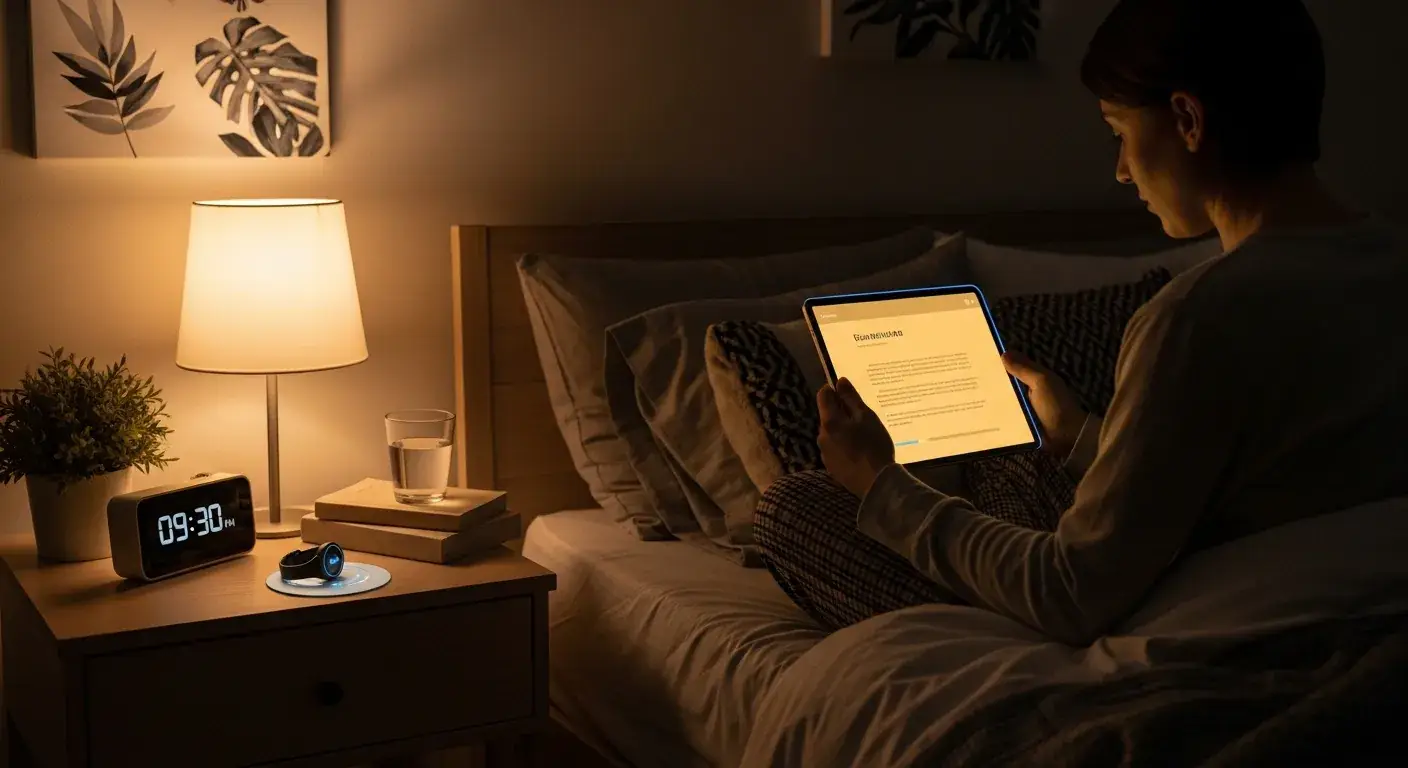
Understanding Your Sleep Data: How to Use Trackers for Real Sleep Improvement
In today's fast-paced world, quality sleep often feels like a luxury rather than a necessity. Many of us wake up feeling unrested, despite spending hours in bed. This is where understanding your sleep data becomes a game-changer. Sleep trackers, from wearable devices to sophisticated under-mattress sensors, offer an unprecedented glimpse into our nocturnal habits. They provide far more than just how many hours you slept; they reveal patterns, disruptions, and vital metrics that can empower you to make real sleep improvement.
Merely collecting data isn't enough. The true value lies in interpreting this information and translating it into actionable changes for a healthier sleep routine. This article will guide you through maximizing the potential of your sleep tracker, turning raw numbers into profound insights for a more restful, restorative night. By learning to effectively use trackers for real sleep improvement, you're investing in your overall health and well-being.
Key Points:
- Beyond Raw Numbers: Learn to interpret sleep stages and biometric data.
- Identify Patterns: Spot trends in your sleep that impact daily energy.
- Actionable Insights: Translate data into practical lifestyle adjustments.
- Personalized Improvement: Tailor strategies based on your unique sleep profile.
- Avoid Over-Reliance: Understand the limitations and use trackers as a tool, not a diagnosis.
Decoding Your Sleep Data: What Your Tracker Really Tells You
Modern sleep trackers are powerful tools that go beyond basic duration monitoring. They measure various biometrics to paint a comprehensive picture of your night. Understanding these metrics is the first step in understanding your sleep data and using it for real sleep improvement.
Key Metrics and Their Significance
- Sleep Duration: While seemingly straightforward, consistent duration is crucial. Trackers help identify if you're consistently falling short of the recommended 7-9 hours.
- Sleep Stages (REM, Light, Deep):
- Light Sleep: A transitional stage, accounting for about half of your night.
- Deep Sleep (Slow-Wave Sleep): Crucial for physical restoration, muscle repair, and immune system strengthening. Insufficient deep sleep can leave you feeling physically exhausted.
- REM Sleep (Rapid Eye Movement): Essential for cognitive functions, memory consolidation, and emotional processing. Poor REM sleep can impact mood and learning.
- Sleep Latency: The time it takes you to fall asleep. A healthy range is typically 10-20 minutes. Taking too long might indicate anxiety or poor sleep hygiene.
- Wake After Sleep Onset (WASO): Measures how long you're awake during the night. Frequent or prolonged awakenings disrupt sleep architecture.
- Heart Rate Variability (HRV): A measure of the variation in time between heartbeats. Higher HRV generally indicates better adaptability and recovery, and can be a strong indicator of overall sleep quality and recovery from stress.
- Resting Heart Rate (RHR): Often decreases during sleep, reaching its lowest point. An elevated RHR during sleep can signal stress, illness, or poor recovery.
- Respiratory Rate: The number of breaths you take per minute. Significant deviations can sometimes point to sleep-disordered breathing.
Understanding your sleep data from these metrics provides a foundation. For instance, consistently low deep sleep combined with a high resting heart rate might indicate an underlying stressor or poor recovery, prompting a deeper look into your daily habits.
Translating Sleep Data into Actionable Sleep Improvement Strategies
Simply viewing charts and graphs on your app won't improve your sleep. The real magic happens when you use these insights to make tangible changes. This is the essence of using trackers for real sleep improvement.
Identify Patterns and Triggers
- Spotting Trends: Look for consistent patterns rather than isolated bad nights. Do certain weekdays always show lower deep sleep than weekends? Does late-night screen time consistently push back your sleep latency?
- Correlation with Daily Activities: Start a simple sleep journal alongside your tracker data. Note down factors like caffeine intake, alcohol consumption, exercise timing, stress levels, and meal times. You might find direct correlations, such as a strenuous evening workout impacting your deep sleep or a late heavy meal increasing your WASO.
- Environmental Factors: Trackers can indirectly highlight the impact of your sleep environment. If your sleep is consistently fragmented, consider issues like room temperature, light exposure, or noise. For example, a 2023 study by the Environmental Sleep Health Institute highlighted that optimal bedroom temperature significantly improves deep sleep duration. For more insights into creating the ideal sleep sanctuary, you might explore articles like optimizing-your-bedroom-for-better-sleep-quality.
Making Data-Driven Lifestyle Adjustments
Once you've identified patterns, you can begin to experiment with changes.
- Optimize Your Bedtime Routine: If your sleep latency is high, experiment with a consistent wind-down routine an hour before bed. This could include reading, gentle stretching, or meditation. A structured evening routine can significantly reduce the time it takes to fall asleep.
- Manage Caffeine and Alcohol: Track how late afternoon caffeine or evening alcohol consumption affects your deep and REM sleep. Many find that even a single drink can disrupt the quality of restorative sleep.
- Timing Your Exercise: While exercise is crucial, intense workouts too close to bedtime can elevate core body temperature and heart rate, making it harder to fall asleep and achieve deep sleep. Use your tracker to see if morning or early afternoon workouts yield better sleep metrics.
- Prioritize Nutrition: Your diet plays a significant role in sleep quality. Pay attention to how heavy meals close to bedtime, or specific nutrients, impact your sleep stages. Recent findings from the National Sleep Foundation's 2025 report emphasize the connection between balanced macronutrient intake and stable blood sugar levels for uninterrupted sleep. For deeper dives into this topic, you could visit our category on nutrition-and-sleep-quality.
Differentiated Value: Beyond the Basics of Sleep Tracking
While many focus on identifying problems, our approach emphasizes proactive personalization and trend prediction through advanced data analysis.
Predictive Insights for Proactive Health
Most trackers show you what happened. A unique aspect of advanced sleep data interpretation is using trends to predict potential issues before they become chronic problems. For instance, consistently declining HRV over several days, coupled with reduced deep sleep, could be an early warning sign of impending illness or overtraining. By recognizing these subtle shifts in understanding your sleep data, you can proactively adjust your daily regimen—perhaps taking an extra rest day, focusing on nutrient-rich meals, or implementing stress-reduction techniques—to prevent a full-blown setback. This predictive capability moves beyond reactive problem-solving, offering a more holistic path to real sleep improvement.
Integrating Sleep Data with Personalized Nutrition
A key differentiating factor is the intelligent integration of sleep data with personalized nutritional strategies. For example, if your tracker consistently shows poor deep sleep and high WASO, it might indicate issues with blood sugar regulation overnight. Emerging trends from a 2024 study on chrononutrition suggest that specific macronutrient timing, like a balanced, light dinner several hours before bed, can stabilize blood glucose and enhance deep sleep cycles. This approach moves beyond generic advice, using your specific sleep metrics to fine-tune dietary interventions, ensuring your nutrition and sleep quality work in tandem for optimal recovery. Consider how a specific supplement, like magnesium, might impact your deep sleep based on your tracker's feedback, rather than just general recommendations. This highly personalized feedback loop is crucial for maximizing your efforts.
Common Pitfalls in Using Sleep Trackers
While powerful, sleep trackers aren't infallible. Understanding your sleep data also means understanding the limitations and potential for misinterpretation.
- Accuracy Variations: Not all trackers are equally accurate, especially for sleep stage detection. Use them as a guide, not a definitive diagnostic tool.
- Obsessive Tracking: Becoming overly anxious about "perfect" sleep scores can itself lead to orthosomnia, a preoccupation with achieving ideal sleep that ironically worsens sleep.
- Ignoring Context: A single "bad" night's data might be an anomaly. Always consider the broader context of your day, stress levels, and overall health.
FAQ Section: Your Questions About Sleep Data Answered
Q: How accurate are sleep trackers in identifying sleep stages like REM and deep sleep?
A: While consumer sleep trackers provide valuable insights, their accuracy for precise sleep stage differentiation can vary. Many rely on accelerometers and heart rate sensors, which are good at detecting movement and physiological changes. Research suggests they are generally good at identifying wakefulness and total sleep time but may have limitations in perfectly distinguishing between specific sleep stages compared to clinical polysomnography. Use them as a guide for trends, not a medical diagnosis.
Q: Can my sleep data reveal underlying health issues?
A: Your sleep data can certainly indicate potential underlying health issues, such as frequent awakenings possibly suggesting sleep apnea, or consistently high resting heart rate hinting at stress or illness. However, sleep trackers are not medical devices designed for diagnosis. If your data consistently shows concerning patterns, it's crucial to consult a healthcare professional for proper evaluation and diagnosis. They provide clues, not definitive answers.
Q: What is a good "sleep score" and how should I interpret it?
A: A "good" sleep score varies by device and individual, but generally, higher scores indicate better sleep quality across various metrics like duration, efficiency, and restorative stages. Interpret your sleep score as a holistic summary of your night. Focus on improving specific components that consistently lower your score, such as increasing deep sleep or reducing wake-ups, rather than obsessing over the number itself. Use it as a benchmark for your personal improvement journey.
Q: How quickly should I expect to see improvements after making changes based on my sleep data?
A: Sleep improvements vary for everyone. Some individuals might notice subtle changes in energy or alertness within a few days of implementing minor adjustments like consistent bedtime. More significant changes, such as improved deep sleep or reduced sleep latency, may take several weeks as your body adapts to new routines. Consistency is key; track your data over time to observe lasting trends rather than immediate, dramatic shifts.
Conclusion: Empowering Your Sleep Journey with Data
Understanding your sleep data is no longer a niche interest; it's a fundamental aspect of modern health and wellness. By thoughtfully interpreting the insights from your sleep tracker, you gain the power to identify patterns, make informed lifestyle adjustments, and achieve real sleep improvement. Remember, your tracker is a tool—a powerful ally in your quest for better rest, but it thrives on your active engagement and mindful interpretation.
Don't just track your sleep; transform it. Start applying these data-driven strategies tonight and wake up to a brighter, more energized you. We encourage you to share your experiences and insights in the comments below. What has your sleep tracker revealed about your habits?
Extended Reading and Future Exploration:
- The Impact of Blue Light on Melatonin Production: Delve deeper into how screen time truly affects your sleep hormones.
- Advanced Sleep Tracking Technologies: Explore the latest innovations, from smart mattresses to neurofeedback devices.
- The Gut-Brain-Sleep Axis: Understand the profound connection between your gut health and the quality of your sleep.
(Content updated: November 28, 2025. Information regarding sleep technology and research is constantly evolving. We recommend checking for the latest updates regularly.)