Transform Your Evenings: Creating a Powerful Pre-Sleep Routine for Uninterrupted Deep Sleep and Better Health
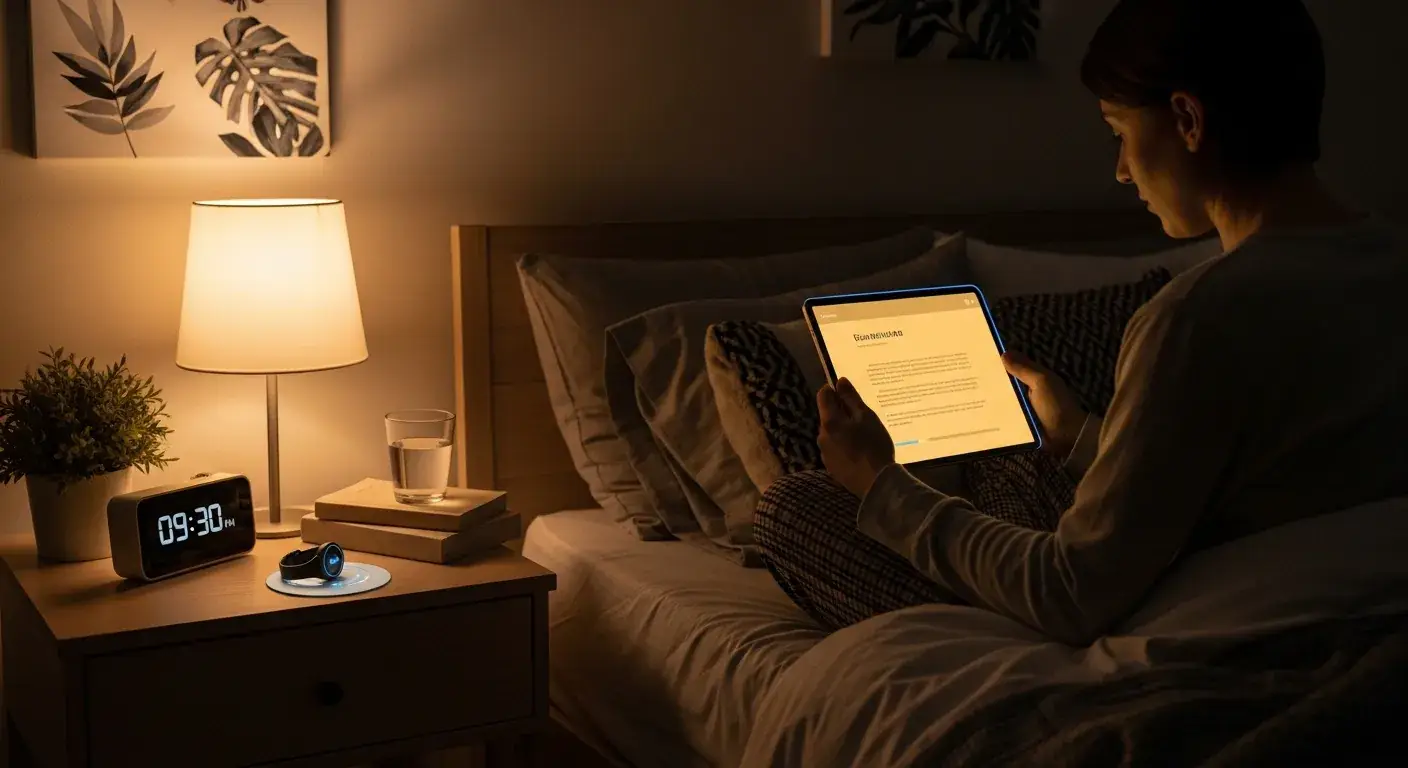
Transforming your evenings can profoundly impact your sleep quality and overall well-being. Creating a powerful pre-sleep routine for uninterrupted deep sleep and better health is not just about relaxation; it's about signaling to your body and mind that it's time to transition from the day's demands to restorative rest. This intentional winding-down period is crucial for optimizing your body's natural sleep processes, helping you fall asleep faster, stay asleep longer, and wake up feeling truly refreshed.
By consistently implementing a tailored evening ritual, you can significantly enhance your physical health, mental clarity, and emotional resilience. This article will guide you through the scientific principles and practical steps to design a personalized routine that ensures you harness the full benefits of deep, uninterrupted sleep. Embrace this change, and watch your evenings transform into a gateway to profound rest and vibrant living.
Key Points:
- Circadian Rhythm Alignment: Harmonize your routine with your body's natural sleep-wake cycle.
- Blue Light Mitigation: Drastically reduce exposure to light frequencies that disrupt melatonin production.
- Relaxation Integration: Incorporate calming activities to quiet the mind and prepare the body.
- Environment Optimization: Create an ideal sleep sanctuary for undisturbed rest.
- Consistency is Key: Adhere to your routine nightly for cumulative benefits and enhanced deep sleep.
Understanding the Science Behind a Powerful Pre-Sleep Routine
Deep sleep is not merely a period of inactivity; it's a vital physiological process essential for memory consolidation, cellular repair, hormone regulation, and immune system strengthening. A powerful pre-sleep routine for uninterrupted deep sleep and better health actively supports these critical functions by preparing your body for optimal rest. This preparation involves understanding and leveraging our internal biological clocks and external environmental cues.
The Role of Circadian Rhythms and Melatonin
Our bodies operate on a roughly 24-hour cycle known as the circadian rhythm, which profoundly influences our sleep-wake patterns. Light is the most potent cue for setting this rhythm. As natural light diminishes in the evening, the pineal gland in your brain begins to produce melatonin, the "sleep hormone," signaling to your body that it's time to prepare for rest. A consistent evening routine reinforces this natural process, helping to regulate your internal clock. Disrupting this rhythm, for example, with late-night bright lights, can significantly impair melatonin production and sleep onset.
Mitigating Blue Light's Impact on Deep Sleep
Blue light, emitted by screens from phones, tablets, computers, and LED lighting, is particularly disruptive to sleep. Its short wavelength mimics daylight, effectively telling your brain it's still daytime and suppressing melatonin production. Recent findings, such as those presented at the European Sleep Research Society meeting in late 2024, highlighted that even low-level blue light exposure in the two hours before bed could delay sleep onset by an average of 30 minutes. Minimizing blue light exposure is one of the most impactful steps in fostering a deep, uninterrupted sleep cycle.
Crafting Your Personalized Pre-Sleep Routine for Uninterrupted Deep Sleep
While the science provides a foundation, the most effective pre-sleep routine is one that resonates with your personal needs and preferences. This section outlines key components to help you build your own powerful pre-sleep routine for uninterrupted deep sleep and better health.
Winding Down: Essential Relaxation Techniques for Sleep
Engaging in calming activities helps transition your brain from an active, alert state to a relaxed, drowsy one. Incorporating specific relaxation techniques is paramount.
- Deep Breathing Exercises: Simple diaphragmatic breathing can activate the parasympathetic nervous system, responsible for "rest and digest." Try inhaling slowly through your nose for four counts, holding for seven, and exhaling completely through your mouth for eight counts. Repeat several times.
- Light Stretching or Yoga: Gentle stretches can release muscle tension accumulated during the day. Focus on slow, deliberate movements rather than vigorous exercise. A 10-15 minute session can significantly calm your body.
- Mindfulness Meditation: Even five minutes of guided meditation can quiet a busy mind. Numerous apps offer short, sleep-focused meditations. This practice helps to acknowledge and release racing thoughts. For more in-depth guidance on calming your mind, consider exploring resources on relaxation techniques for sleep.
- Warm Bath or Shower: The slight increase in body temperature followed by a cool-down signals to your body that it's time for sleep. Add Epsom salts for muscle relaxation benefits.
Optimizing Your Sleep Environment
Your sleep sanctuary plays a critical role in promoting uninterrupted deep sleep. Even minor adjustments can yield significant improvements.
- Darkness is Key: Block out all sources of light. Use blackout curtains, an eye mask, or even tape over tiny LED indicator lights. Total darkness enhances melatonin production.
- Quiet and Calm: Eliminate noise disruptions. Earplugs, white noise machines, or even a fan can create a consistent soundscape that masks sudden noises.
- Cool Temperature: Most sleep experts recommend a room temperature between 60-67°F (15-19°C) for optimal sleep. A cooler environment facilitates the body's natural drop in core temperature.
- Comfortable Bedding: Invest in a mattress and pillows that provide adequate support and comfort. Ensure your sheets are clean and made of breathable materials.
Mindful Nutrition and Hydration in the Evening
What you consume before bed significantly impacts your sleep quality. Timing and content are equally important.
- Avoid Heavy Meals: Try to finish your last substantial meal at least 2-3 hours before bedtime to allow for digestion. Lying down with a full stomach can lead to discomfort and acid reflux.
- Limit Caffeine and Alcohol: Both are potent sleep disruptors. Caffeine's effects can last for hours, while alcohol, though initially sedating, fragments sleep later in the night. Aim to cut off caffeine by early afternoon and alcohol at least 3-4 hours before sleep.
- Consider Light Snacks: If you're hungry, opt for a small, easily digestible snack like a banana, a handful of almonds, or a glass of warm milk, which can contain sleep-promoting compounds.
Digital Detox: The Gateway to Restorative Sleep
This is perhaps one of the most challenging yet crucial aspects of a powerful pre-sleep routine for uninterrupted deep sleep and better health. The lure of screens is strong, but their impact is undeniable.
- Implement a Strict Screen Curfew: Aim for at least 60-90 minutes of screen-free time before bed. This includes TVs, phones, tablets, and computers. Engage in non-digital activities during this time.
- Utilize Blue Light Filters Sparingly: While some devices offer "night mode" or blue light filters, a study published in Sleep Medicine Reviews in early 2023 indicated that these filters are not a substitute for complete digital detachment. The cognitive stimulation from engaging with content can be just as disruptive as the light itself. For best results, avoid screens entirely. Consider amber-tinted glasses if you absolutely must use a screen in the evening, as they block a broader spectrum of blue light than software filters.
Advanced Strategies for Enhancing Your Evening Ritual and Sleep Quality
Beyond the foundational elements, incorporating advanced strategies can further refine your powerful pre-sleep routine for uninterrupted deep sleep and better health. These insights draw on the latest understanding of sleep science and behavioral psychology.
Integrating Journaling and Gratitude for Mental Calm
For many, a racing mind is the biggest barrier to sleep. Journaling offers a powerful outlet.
- "Brain Dump" Journaling: Before winding down, write down any worries, to-do lists, or thoughts cluttering your mind. Getting these thoughts onto paper can prevent them from replaying in your head as you try to sleep. This technique is often recommended in Cognitive Behavioral Therapy for Insomnia (CBT-I) to reduce rumination.
- Gratitude Practice: Conclude your journaling by listing 3-5 things you're grateful for. Shifting your focus to positive emotions can reduce stress and foster a sense of peace, creating a calmer mental landscape conducive to sleep. For more techniques to achieve mental tranquility, read our article on mastering mindfulness for stress-free evenings.
The Power of Scent and Sound in Your Pre-Sleep Practice
Our olfactory and auditory senses have a direct pathway to the brain's emotional and memory centers, making them potent tools for relaxation.
- Aromatherapy: Diffuse calming essential oils like lavender, chamomile, or bergamot in your bedroom an hour before bed. A 2024 review in the Journal of Alternative and Complementary Medicine suggested that lavender's aroma can reduce anxiety and improve sleep quality through its anxiolytic properties.
- Soothing Sounds: Beyond white noise, consider nature sounds (rain, ocean waves) or gentle instrumental music. Ensure the volume is low and consistent, creating a background hum rather than a distraction.
Tracking Progress and Adjusting Your Routine for Better Health
The journey to optimal sleep is ongoing. Regularly assessing your routine's effectiveness is crucial.
- Subjective Assessment: Keep a simple sleep journal. Note when you go to bed, when you wake up, how long it took to fall asleep, and your perceived sleep quality (e.g., "restless," "sound"). Also, record how you feel the next day.
- Utilize Sleep Trackers (Optional): Wearable devices can provide objective data on sleep stages (light, deep, REM), heart rate, and sleep duration. While not always perfectly accurate, they can offer insights into patterns and highlight areas for improvement in your routine. Understanding your sleep cycles can significantly help in this process; dive deeper with our article on understanding your sleep cycles for better rest.
- Be Flexible and Patient: If something isn't working, don't be afraid to adjust. Your body's needs can change. It can take several weeks for a new routine to yield significant results, so consistency and patience are vital.
Frequently Asked Questions About Pre-Sleep Routines
How long should a pre-sleep routine be?
Ideally, a pre-sleep routine should last between 30 to 90 minutes. This duration allows enough time for your body and mind to progressively transition from the day's activities to a state of calm. The exact length can be personalized based on how much time you need to feel relaxed and ready for sleep. Consistency in the duration and activities is more important than the precise number of minutes.
Can I still use my phone before bed if I use a blue light filter?
While blue light filters (like "night mode" settings or apps) can reduce the blue light emitted from screens, they don't fully eliminate the problem. The primary issue isn't just blue light, but also the cognitive stimulation that comes from engaging with content on your phone. Even with a filter, checking emails, browsing social media, or playing games can keep your brain active and make it harder to fall asleep. It's best to aim for a complete digital detox for at least 60 minutes before bed.
What if I struggle to fall asleep even with a routine?
If you've consistently followed a pre-sleep routine for several weeks and still struggle to fall asleep, consider a few factors. First, evaluate other aspects of your sleep hygiene, such as caffeine intake, exercise timing, and overall stress levels. Second, ensure your routine is truly relaxing for you. If specific activities cause more stress than calm, try alternatives. If sleep difficulties persist, it's advisable to consult a healthcare professional or a sleep specialist, as there might be an underlying medical condition contributing to your insomnia.
How long until I see results from a new routine?
The time it takes to see results from a new pre-sleep routine varies for everyone. Some individuals might experience subtle improvements in sleep quality within a few days, while for others, it could take several weeks or even a couple of months. Consistency is paramount. The benefits of establishing a powerful pre-sleep routine for uninterrupted deep sleep and better health accumulate over time as your body and mind adapt to the new signals for rest. Be patient and committed to the process.
Conclusion: Embrace Your Evenings for a Healthier Life
Establishing a powerful pre-sleep routine for uninterrupted deep sleep and better health is a profound act of self-care. It’s an investment in your physical vitality, mental clarity, and emotional resilience. By understanding the science behind sleep and diligently applying consistent, personalized evening rituals, you can transform your nights and, consequently, your days. Remember, deep sleep is not a luxury; it's a fundamental pillar of health.
Start small, stay consistent, and be patient with yourself as you cultivate this new habit. The rewards—waking up refreshed, energized, and ready to tackle life's challenges—are immeasurable. Take the first step tonight.
Your Next Steps:
- Begin Today: Choose one or two elements from this guide to implement in your evening routine tonight.
- Share Your Journey: What elements will you incorporate into your routine? Share your experiences in the comments below!
- Explore Further: Subscribe to our newsletter for more tips on sleep optimization and relaxation techniques.
Extended Reading Suggestions:
- The profound impact of gut health on sleep quality.
- Advanced biohacking techniques for optimizing deep sleep stages.
- The psychological benefits of consistent evening routines beyond sleep.