The Science of Sleep: Understanding Your Circadian Rhythm for Better Health
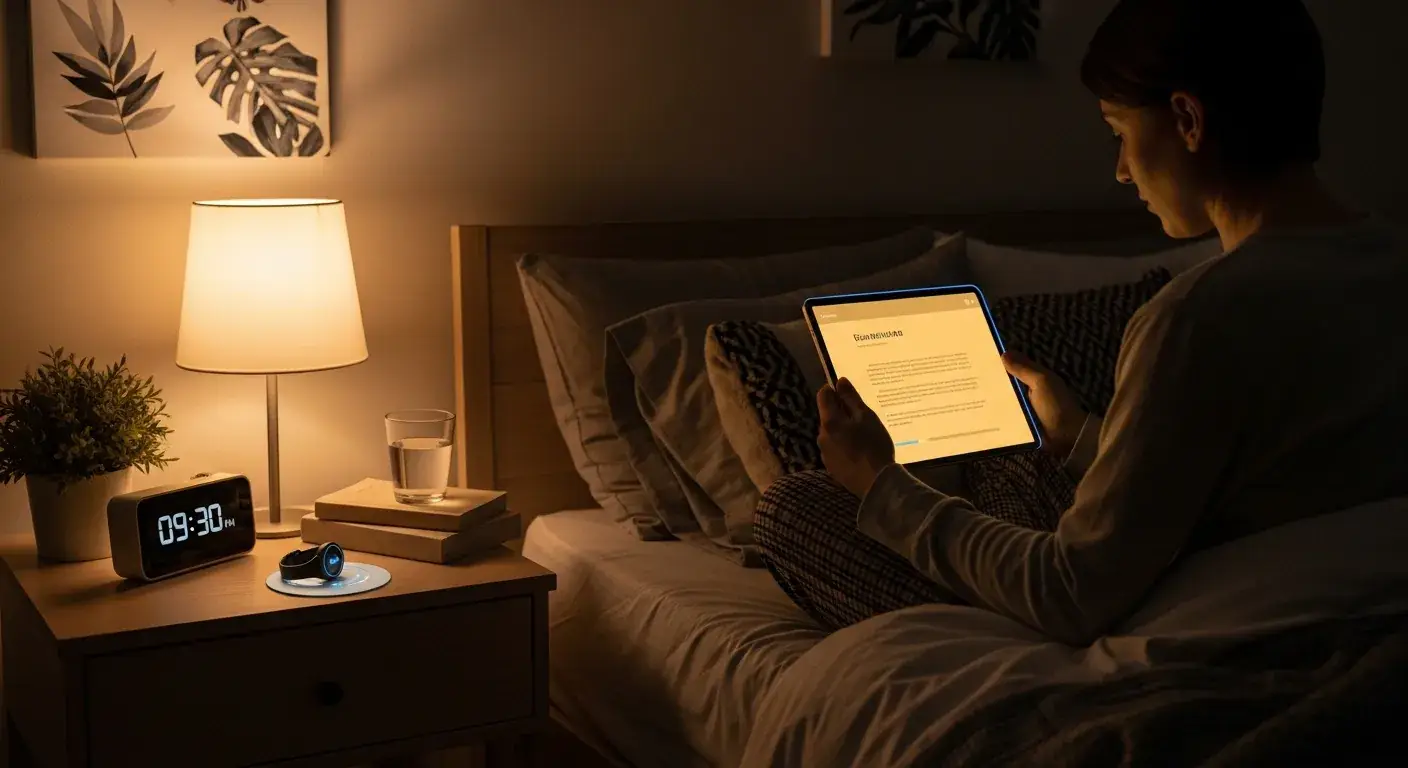
The pursuit of optimal health is multifaceted, and at its core lies the crucial, yet often overlooked, science of sleep. Understanding your circadian rhythm is not just about getting enough hours in bed; it's about aligning your body's natural biological clock with its environment for peak physical and mental performance. This internal clock dictates many of our physiological processes, from hormone release and body temperature to metabolism and, of course, sleep-wake cycles. By mastering the science of sleep and harmonizing with your circadian rhythm, you can unlock profound improvements in your overall well-being.
Key Takeaways:
- Circadian Rhythm is Your Internal Clock: A roughly 24-hour cycle that regulates sleep-wake patterns and other bodily functions.
- Light is the Master Regulator: Exposure to light, especially sunlight, synchronizes your circadian rhythm.
- Sleep Stages are Crucial: Different stages of sleep, like REM and deep sleep, serve vital restorative functions.
- Disruption Leads to Health Issues: Poorly managed circadian rhythms can contribute to chronic diseases.
- Optimizing Sleep Benefits Everything: From cognitive function to immune health and mood regulation.
Decoding Your Circadian Rhythm: The Body's Master Clock
At the heart of the science of sleep lies the circadian rhythm, an intrinsic biological process that orchestrates a multitude of physiological functions over a 24-hour period. Think of it as your body's internal timekeeper, influencing everything from when you feel alert and when you feel drowsy to your hormone levels, body temperature, and even digestive processes. This rhythm is deeply ingrained, developed over millions of years of evolution to align our activities with the natural cycles of light and darkness.
The primary driver of this internal clock is located in the brain's suprachiasmatic nucleus (SCN), a cluster of cells in the hypothalamus that receives direct input from the eyes. This ensures that our internal clock is synchronized with the external world, primarily through the detection of light. Light exposure, particularly daylight, signals to the SCN that it's daytime, prompting the body to become more alert and active. Conversely, the absence of light as evening approaches signals the SCN to prepare for rest, triggering the release of melatonin, the "sleep hormone."
The Role of Light in Circadian Synchronization
- Daylight Exposure: Crucial for setting the biological clock. Morning sunlight is particularly effective in signaling wakefulness and suppressing melatonin production.
- Artificial Light: Modern lifestyles often involve significant exposure to artificial light, especially blue light emitted from electronic devices. This can disrupt the natural signaling of darkness, confusing the SCN and delaying sleep onset.
- Light Intensity and Wavelength: The intensity and color of light play a role. Brighter, cooler-toned light (more blue) has a stronger alerting effect than dimmer, warmer-toned light.
Understanding how light impacts your circadian rhythm is fundamental to improving sleep hygiene. For those looking to optimize their sleep environment, exploring how ambient light impacts their personal sleep cycles is a vital step. You can explore more on this in our articles on Sleep Environment Design.
The Stages of Sleep: A Nightly Restoration Cycle
A night of restful sleep isn't a uniform state of unconsciousness. Instead, it's a dynamic cycle composed of distinct stages, each playing a unique and critical role in our physical and mental restoration. The science of sleep reveals that we cycle through these stages multiple times each night, with the duration and proportion of each stage shifting as the night progresses. These stages are broadly categorized into Non-Rapid Eye Movement (NREM) sleep and Rapid Eye Movement (REM) sleep.
NREM Sleep: The Deep Restorative Phase
NREM sleep is further divided into three stages:
- NREM Stage 1 (N1): This is the lightest stage of sleep, marking the transition from wakefulness to sleep. It typically lasts only a few minutes. Muscle activity slows, and brain waves begin to decelerate.
- NREM Stage 2 (N2): This is a deeper stage of sleep, where your heart rate and body temperature begin to drop. Brain waves become slower, interspersed with brief bursts of rapid activity called sleep spindles, which are thought to play a role in memory consolidation.
- NREM Stage 3 (N3): This is the deepest stage of sleep, often referred to as slow-wave sleep. It's characterized by very slow brain waves (delta waves). During N3, the body performs critical restorative functions, including tissue repair, muscle growth, and immune system strengthening. This stage is particularly important for physical recovery and feeling refreshed.
REM Sleep: The Cognitive and Emotional Hub
Following NREM sleep, we enter REM sleep. This stage is characterized by rapid eye movements, increased brain activity (similar to wakefulness), and temporary paralysis of major muscle groups. Despite the brain's activity, REM sleep is crucial for cognitive functions such as learning, memory processing, and emotional regulation. Dreams typically occur during REM sleep, and this stage is vital for processing daily experiences and consolidating emotional memories.
A healthy sleep cycle typically involves progressing through NREM stages and then entering REM sleep, repeating this pattern throughout the night. Disruptions to this cycle, whether due to poor sleep hygiene or underlying sleep disorders, can significantly impact both physical and mental health. Understanding these stages highlights the importance of uninterrupted sleep for holistic well-being.
Consequences of Circadian Rhythm Disruption
When our internal circadian rhythm is out of sync with our external environment, the consequences can range from mild fatigue and irritability to serious long-term health problems. The modern world, with its 24/7 demands, shift work, and constant exposure to artificial light, presents numerous challenges to maintaining a healthy circadian rhythm. This misalignment, often referred to as circadian disruption, is a significant public health concern.
Short-Term Effects of Disruption
- Sleepiness and Fatigue: The most immediate effect is feeling tired and lacking energy during the day, impacting productivity and alertness.
- Cognitive Impairment: Difficulty concentrating, reduced problem-solving skills, impaired memory, and slower reaction times are common.
- Mood Disturbances: Increased irritability, anxiety, and even symptoms of depression can emerge.
- Reduced Performance: Both physical and mental performance can suffer, increasing the risk of accidents.
Long-Term Health Risks Associated with Circadian Disruption
The science of sleep consistently links chronic circadian disruption to a higher risk of developing serious health conditions. This is because our circadian rhythm governs fundamental biological processes that, when consistently misaligned, can lead to systemic dysregulation.
- Metabolic Disorders: Disrupted sleep patterns are strongly associated with an increased risk of obesity, insulin resistance, and type 2 diabetes. The body's ability to regulate blood sugar and appetite can be significantly impaired.
- Cardiovascular Disease: Chronic circadian disruption has been linked to hypertension (high blood pressure), heart disease, and an increased risk of stroke.
- Mental Health Disorders: Beyond short-term mood swings, long-term circadian misalignment is a known risk factor for chronic depression, anxiety disorders, and bipolar disorder.
- Weakened Immune System: The immune system's function is also tied to our circadian clock. Disruption can lead to a compromised ability to fight off infections and an increased susceptibility to inflammation.
- Cancer Risk: Emerging research suggests a potential link between chronic circadian disruption (especially in shift workers) and an increased risk of certain cancers, such as breast and prostate cancer. This is an area of ongoing investigation within the science of sleep and chronobiology.
Differentiated Value Point 1: The Gut-Brain Axis and Circadian Rhythms Recent research has begun to illuminate the intricate connection between our gut microbiome and our circadian rhythms. The trillions of bacteria in our gut also operate on a 24-hour cycle, influencing digestion, nutrient absorption, and even the production of neurotransmitters that affect mood and sleep. When our personal circadian rhythm is disrupted, it can negatively impact the gut microbiome, creating a feedback loop that further exacerbates sleep problems and health issues. This highlights the holistic nature of health and how addressing one aspect, like sleep, can positively influence others, including digestive health. This emerging area offers a unique perspective on the science of sleep beyond traditional physiological mechanisms.
Optimizing Your Circadian Rhythm for Better Health
Fortunately, understanding the science of sleep and the principles of circadian rhythm allows us to take proactive steps to optimize our natural biological clock. By making conscious choices about our environment and habits, we can significantly improve sleep quality and, consequently, our overall health and well-being. The goal is to create a consistent and supportive environment that reinforces the body's natural sleep-wake cycle.
Strategies for Harmonizing Your Circadian Rhythm
- Consistent Sleep Schedule: Aim to go to bed and wake up around the same time every day, even on weekends. This consistency is paramount for reinforcing your body's internal clock. Consistency is king when it comes to sleep.
- Strategic Light Exposure:
- Morning Sunlight: Get at least 15-30 minutes of natural sunlight exposure shortly after waking. This is a powerful signal for your SCN.
- Dim Evening Light: Reduce exposure to bright artificial lights, especially blue light from screens, in the 1-2 hours before bedtime. Consider using blue-light blocking glasses or night mode settings on devices.
- Optimize Your Sleep Environment:
- Darkness: Ensure your bedroom is as dark as possible. Use blackout curtains if necessary.
- Quiet: Minimize noise disturbances. Earplugs or a white noise machine can be helpful.
- Cool Temperature: A slightly cooler room temperature is generally conducive to sleep.
- Mindful Eating and Drinking:
- Avoid Heavy Meals Before Bed: Finish large meals at least 2-3 hours before sleep.
- Limit Caffeine and Alcohol: Especially in the afternoon and evening, as they can interfere with sleep architecture.
- Regular Physical Activity: Exercise can improve sleep quality, but avoid intense workouts close to bedtime.
- Relaxation Techniques: Incorporate calming activities before bed, such as reading, taking a warm bath, or gentle stretching, to signal your body it's time to wind down.
- Limit Naps: If you must nap, keep it short (20-30 minutes) and early in the afternoon to avoid interfering with nighttime sleep.
Differentiated Value Point 2: Circadian Rhythms and Personalized Health The future of sleep science and circadian rhythm management is moving towards personalization. Wearable technology is increasingly capable of tracking sleep patterns, heart rate variability, and even light exposure, providing individuals with data to better understand their unique circadian profile. This allows for tailored advice on sleep schedules, meal timings, and light exposure strategies that are specifically suited to an individual's chronotype (whether they are a "morning lark" or a "night owl"). This data-driven approach offers a more nuanced and effective way to manage sleep and health than one-size-fits-all recommendations.
Latest Insights in Sleep Science and Chronobiology
The field of sleep science and chronobiology is continually evolving, with new discoveries shedding light on the profound impact of our circadian rhythms on health. Researchers are exploring novel ways to leverage this understanding for therapeutic interventions and lifestyle optimization.
- Chronotherapy and Light Therapy: These therapeutic approaches utilize controlled light exposure to help reset circadian rhythms for individuals with conditions like jet lag, shift work sleep disorder, and certain mood disorders. Studies published in Nature Chronobiology in 2024 highlight the efficacy of specific light wavelengths and timings in recalibrating the body's internal clock.
- Melatonin's Broader Role: Beyond sleep regulation, research is uncovering melatonin's potent antioxidant and anti-inflammatory properties, suggesting its involvement in numerous physiological processes beyond the sleep-wake cycle. A review in the Journal of Sleep Research (2025) indicates its potential therapeutic applications in managing chronic diseases.
- Genetics and Circadian Clocks: Advances in genomics are identifying specific genes that influence an individual's natural chronotype and their susceptibility to circadian disruption. This opens doors for personalized medicine approaches to sleep and health.
These advancements underscore the critical importance of aligning our lives with our natural biological rhythms. As scientific understanding deepens, the emphasis on proactive management of our circadian health will undoubtedly grow. For those interested in building better sleep habits, our resources on creating a supportive sleep environment are invaluable.
Frequently Asked Questions About Circadian Rhythms and Sleep
Q1: What is the primary function of the circadian rhythm? A1: The primary function of the circadian rhythm is to regulate the body's sleep-wake cycle, aligning internal biological processes with the external 24-hour day-night cycle. It also influences hormone release, body temperature, and metabolism, ensuring optimal functioning at different times of the day.
Q2: How does artificial light affect my circadian rhythm? A2: Artificial light, particularly blue light emitted from electronic screens, can suppress melatonin production and delay the onset of sleep. This can confuse the body's internal clock, leading to difficulties falling asleep and disrupting the natural sleep-wake cycle.
Q3: Can I reset my circadian rhythm if it's out of sync? A3: Yes, you can help reset your circadian rhythm through consistent lifestyle changes. This includes maintaining a regular sleep schedule, maximizing morning light exposure, minimizing evening artificial light, and engaging in regular physical activity.
Q4: What are the long-term health risks associated with a disrupted circadian rhythm? A4: Long-term circadian disruption is linked to an increased risk of metabolic disorders like diabetes and obesity, cardiovascular diseases, mental health issues such as depression and anxiety, and a weakened immune system.
Conclusion: Embrace Your Natural Rhythm for a Healthier You
The science of sleep is intrinsically linked to the intricate workings of your circadian rhythm. By understanding and respecting this fundamental biological clock, you gain a powerful tool for enhancing your health, cognitive function, and overall quality of life. The disruptions caused by modern lifestyles can be countered by conscious efforts to align your habits with your body's natural signals.
Prioritizing a consistent sleep schedule, managing light exposure, and creating a conducive sleep environment are not merely suggestions; they are essential practices for robust health. As we've explored, a well-regulated circadian rhythm impacts everything from your mood and metabolism to your immune system and long-term disease risk.
Take action today to harmonize with your internal clock:
- Commit to a consistent bedtime and wake-up time for the next 30 days.
- Incorporate 15 minutes of morning sunlight exposure into your daily routine.
- Dim your lights and reduce screen time an hour before bed.
By embracing the science of sleep and optimizing your circadian rhythm, you are investing in a healthier, more energetic, and resilient future. We encourage you to share your experiences and tips in the comments below. For further insights into creating an optimal sleep sanctuary, explore our related articles on sleep environment design.