Setting Up Your Bedroom for Deep Sleep: A Step-by-Step Guide
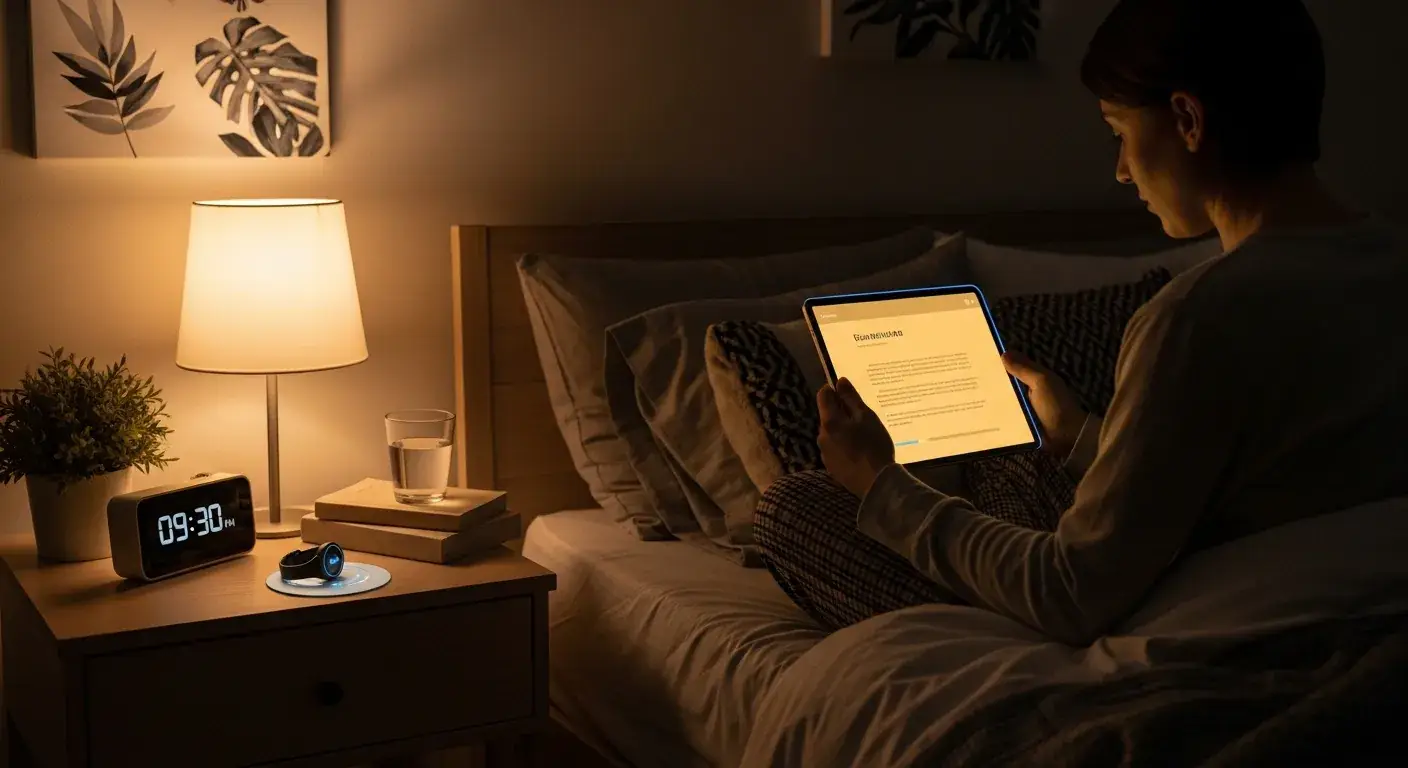
Setting Up Your Bedroom for Deep Sleep: A Step-by-Step Guide
Welcome to the ultimate guide on setting up your bedroom for deep sleep. In our fast-paced world, achieving truly restorative sleep often feels like a luxury, but it's a fundamental pillar of health. Your bedroom, more than any other space, significantly influences your sleep quality. By consciously curating this environment, you can unlock the benefits of deep, uninterrupted rest, boosting everything from mood and cognitive function to physical recovery. This guide offers practical, actionable steps to transform your personal space into a haven designed for optimal slumber. Get ready to embrace healthier sleep habits and wake up feeling truly refreshed.
Key Points for Deep Sleep Optimization:
- Master Darkness: Eliminate all sources of light for melatonin production.
- Optimize Temperature: Maintain a cool sleeping environment (18-20°C).
- Reduce Noise: Implement strategies for a quiet, peaceful space.
- Enhance Comfort: Invest in a supportive mattress and quality bedding.
- Minimize Tech: Remove electronics to reduce blue light and EMF exposure.
Understanding the Pillars of a Deep Sleep Environment
Creating an ideal sleep environment is about more than just a comfortable bed; it involves addressing several crucial factors that directly impact your ability to fall asleep, stay asleep, and experience deep, restorative cycles. By proactively managing these elements, you can significantly improve your quality sleep.
Temperature: The Ideal Climate for Rest
Your body naturally lowers its core temperature to initiate and maintain sleep. A cool room facilitates this process. The generally recommended temperature range for optimal sleep health is between 18-20°C (64-68°F). Too warm, and you might toss and turn; too cold, and you could wake up frequently. Consistent temperature control is paramount for deep sleep.
Darkness: Blocking Out Disruptions
Light, especially blue light, signals to your brain that it's daytime, suppressing melatonin production—the hormone critical for sleep. Even minimal light from streetlights, digital devices, or alarm clocks can disrupt your circadian rhythm. A truly dark room allows your body to naturally prepare for and enter deep sleep phases.
Quiet: Eliminating Noise Pollution
Unexpected noises can easily jolt you awake, even if you don't fully remember it. Consistent noise, like traffic or a noisy neighbor, can prevent your brain from fully relaxing. A tranquil bedroom helps you maintain uninterrupted sleep cycles, which are vital for reaching deep sleep. Soundproofing, white noise, or earplugs can be effective tools.
Comfort: Your Bedding and Mattress Choices
The foundation of any good night's sleep is a comfortable and supportive bed. Your mattress, pillows, and bedding all play a critical role in providing physical comfort and proper spinal alignment. Investing in quality sleep surfaces that suit your individual needs can prevent discomfort and improve overall restorative sleep.
Step-by-Step Guide to Optimizing Your Bedroom for Deep Sleep
This detailed guide will walk you through the process of setting up your bedroom for deep sleep, ensuring every element contributes to your ultimate rest.
Step 1: Declutter and Organize Your Space
A cluttered environment can lead to a cluttered mind, making it harder to relax. Begin by removing unnecessary items from your bedroom. This includes work-related materials, exercise equipment, and excessive decorations that create visual noise. A minimalist approach promotes tranquility.
- Focus on Essentials: Keep only items that contribute to relaxation and sleep.
- Clear Surfaces: Nightstands and dressers should be clear of distracting objects.
Step 2: Master Light Control and Circadian Rhythm Alignment
Effective light management is perhaps the most impactful step in optimizing your bedroom for sleep health. Beyond just blocking light at night, consider how your bedroom supports your overall circadian rhythm.
- Blackout Solutions: Install blackout curtains or blinds to completely block out external light. Even small amounts of light can prevent optimal melatonin secretion, as highlighted by a 2024 study in the "Journal of Sleep Research."
- Avoid Blue Light: Implement strict "no screens" rules in the bedroom, especially 1-2 hours before bed. Blue light emitted from phones, tablets, and computers dramatically inhibits melatonin. For more on this, you might explore our related article on /articles/the-impact-of-blue-light-on-sleep-quality.
- Red Light for Evening: If you need some light, use low-wattage bulbs with a red or amber hue. These wavelengths are less disruptive to melatonin production.
- Morning Light Strategy (Differentiated Value 1): While darkness is key for sleep, ensuring adequate bright light exposure upon waking can significantly anchor your circadian rhythm. Position your bed or windows such that natural light can flood your room in the morning, or consider a sunrise alarm clock. This helps reinforce your natural wake-sleep cycle, preparing your body for deep sleep later. For a deeper dive into adjusting your natural clock, visit our /categories/circadian-rhythm-optimization category.
Step 3: Curate Your Comfort Zone: Mattress, Pillows, and Bedding
The quality of your bed is non-negotiable for restorative sleep.
- Mattress Support: Your mattress should provide adequate support for your spine while conforming to your body. Consider firmness levels and materials (memory foam, innerspring, latex) based on your sleeping position and personal preference. A 2023 consumer report on bedding indicated that mattress quality directly correlated with reported sleep satisfaction. For help choosing, read our guide on /articles/choosing-the-perfect-mattress-for-restful-nights.
- Pillow Perfection: Select pillows that support your neck and head in alignment with your spine. Side sleepers often need a thicker pillow than back or stomach sleepers.
- Breathable Bedding: Choose natural, breathable fabrics like cotton, linen, or bamboo for sheets and duvet covers. These materials help regulate body temperature, preventing overheating.
Step 4: Control Temperature and Air Quality
Beyond just setting the thermostat, proactive management of your bedroom's atmosphere is crucial for deep sleep.
- Optimal Thermostat Setting: Aim for that sweet spot of 18-20°C (64-68°F). Consider a smart thermostat that can adjust temperatures throughout the night.
- Good Ventilation: Ensure proper airflow by cracking a window slightly, if safe and quiet, or using a ceiling fan on a low setting. Stagnant air can feel stuffy and disrupt sleep.
- Air Purifiers (Differentiated Value 2): Investing in a high-quality air purifier with a HEPA filter can remove allergens, dust, and pollutants that might irritate airways and interrupt sleep. Improved indoor air quality is increasingly recognized as a factor in sleep health, with some 2024 environmental health studies linking better air quality to fewer sleep disturbances.
- Aromatherapy & Plants (Differentiated Value 2): Certain essential oils like lavender, chamomile, or cedarwood diffused sparingly can promote relaxation. Houseplants like snake plants or peace lilies can also improve air quality by absorbing toxins and releasing oxygen at night, contributing to a fresher sleep environment.
Step 5: Soundproofing and Noise Reduction
Noise can be a subtle yet powerful disruptor of quality sleep.
- Physical Barriers: Heavy curtains, rugs, and upholstered furniture can help absorb sound. Consider weatherstripping around doors and windows.
- White Noise Machine: A white noise machine or fan can mask disruptive sounds by providing a consistent, soothing background hum.
- Earplugs: For particularly noisy environments, high-quality earplugs can be a simple, effective solution.
Step 6: Minimize Digital Devices and EMF Exposure
Modern technology is a double-edged sword when it comes to sleep.
- Digital Detox: Remove all screens—TVs, laptops, smartphones—from your bedroom. The temptation to check notifications or browse can derail your sleep schedule.
- Unplug Devices: Consider unplugging devices that emit electromagnetic fields (EMFs) from your bedroom. While research is ongoing, some individuals report improved sleep quality by reducing their exposure to ambient EMFs. At a minimum, keep your phone and other devices at a distance from your head while sleeping.
Step 7: Personalize Your Sleep Sanctuary
Once the functional elements are in place, personalize your bedroom to enhance its calming appeal.
- Soothing Colors: Opt for calm, muted colors like blues, greens, or soft grays for your walls and decor. Bright, stimulating colors can make it harder to wind down.
- Subtle Scents: Use natural essential oils in a diffuser (lavender, chamomile) or a relaxing room spray to create a calming ambiance.
- Personal Touches: Add a few meaningful, non-distracting items that bring you joy and a sense of peace, such as a favorite piece of art or a comfortable reading chair.
Frequently Asked Questions about Bedroom Sleep Setup
Q1: What is the single most important factor for deep sleep in a bedroom?
While all factors contribute, darkness is often considered the most crucial. Melatonin, the sleep hormone, is highly sensitive to light. Even dim light can disrupt its production, signaling to your brain that it's daytime. A truly dark room allows your body to naturally prepare for and enter the deepest, most restorative sleep stages.
Q2: How can I make my bedroom dark if I live in a brightly lit urban area?
To combat urban light pollution, invest in high-quality blackout curtains or blinds that completely seal out light. You can also add light-blocking film to windows or use a sleep mask. Ensuring there are no light-emitting electronics, even small indicator lights, further enhances total darkness.
Q3: Are plants good for a sleep environment, or do they reduce oxygen?
Yes, certain plants are excellent for a sleep environment! While plants do consume oxygen at night, the amount is negligible compared to the benefits. Varieties like snake plants and peace lilies improve air quality by removing toxins and producing oxygen, contributing to a fresher, more serene space conducive to setting up your bedroom for deep sleep.
Q4: How does EMF exposure from devices impact my sleep, and what can I do?
While definitive long-term studies are ongoing, some research suggests that electromagnetic fields (EMFs) emitted by devices like Wi-Fi routers and phones might interfere with sleep architecture in sensitive individuals. To minimize potential impact, remove all electronic devices from your bedroom, or at least keep them several feet from your bed, and unplug them when not in use.
Conclusion: Your Path to Restorative Sleep
Setting up your bedroom for deep sleep is an investment in your overall well-being. By thoughtfully curating your sleep environment—from mastering light and temperature to optimizing comfort and minimizing digital distractions—you empower your body and mind to achieve the restorative rest they deserve. This step-by-step guide provides a comprehensive roadmap to transform your bedroom into a true sanctuary.
Take the first step today. Choose one area from this guide and make a change. Then, gradually work through the others. The benefits of consistent, deep sleep are profound, impacting every facet of your life.
Share Your Journey!
We'd love to hear how these tips have transformed your sleep. Share your experiences in the comments below, or tell us your favorite tip for a perfect sleep environment!
Explore Further:
- Subscribe to our newsletter for more tips on circadian rhythm optimization and sleep hygiene.
- Read more articles on improving your sleep habits and environment on our blog.
Timeliness and Future Updates:
This article was published on December 12, 2025. We recommend reviewing and updating your bedroom setup every 1-2 years, or as new sleep research and technologies emerge.
Expandable Related Subtopics for Future Content:
- The Role of Ergonomics in Sleep Positioning: A deeper dive into how pillow and mattress choices impact specific sleep positions.
- Smart Bedroom Technology for Sleep: Exploring advanced gadgets like smart lighting, sleep trackers, and climate control systems.
- Bedroom Feng Shui for Tranquility: Applying ancient principles to create a balanced and harmonious sleep space.