Proven Non-Pharmacological Strategies to Overcome Chronic Insomnia
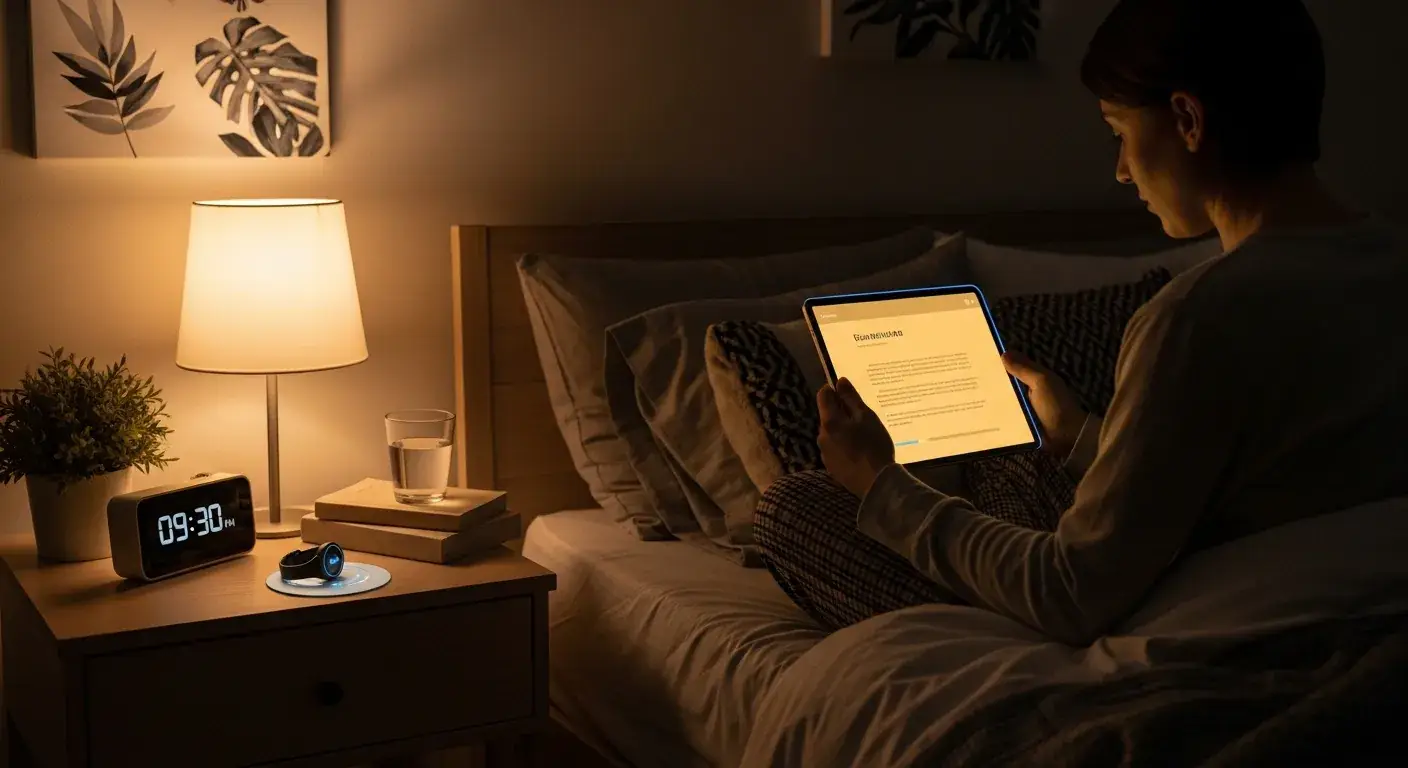
Chronic insomnia affects millions globally, often leading to a cascade of negative health outcomes, from impaired cognitive function to increased risk of chronic diseases. While pharmaceutical interventions offer a quick fix, many individuals seek sustainable, drug-free alternatives. This article delves into proven non-pharmacological strategies to overcome chronic insomnia, providing actionable insights and evidence-based techniques that empower you to reclaim restful sleep naturally. Our focus is on holistic approaches that address the root causes of sleep disturbances, fostering long-term improvements in sleep quality and overall well-being.
Key Points:
- CBT-I is the Gold Standard: Cognitive Behavioral Therapy for Insomnia is the most effective non-drug treatment.
- Optimize Your Sleep Environment: Create a sanctuary conducive to rest, focusing on light, temperature, and sound.
- Establish Consistent Habits: Regular sleep schedules and pre-sleep routines significantly improve sleep architecture.
- Incorporate Mind-Body Practices: Techniques like mindfulness and yoga can reduce sleep-disrupting stress.
- Embrace Holistic Health: Diet, exercise, and stress management are integral to natural sleep improvement.
Understanding Chronic Insomnia: Beyond Medications
Chronic insomnia is characterized by difficulty falling asleep, staying asleep, or experiencing non-restorative sleep for at least three nights a week for three months or longer, despite adequate opportunity for sleep. While prescription sleep aids can offer temporary relief, they often come with side effects and the risk of dependence. This drives the growing interest in proven non-pharmacological strategies to overcome chronic insomnia, which focus on behavioral, environmental, and psychological adjustments. These natural sleep solutions aim to retrain the brain and body for better sleep, addressing underlying factors rather than just masking symptoms. The effectiveness of these approaches is increasingly supported by scientific research, making them a cornerstone of modern sleep medicine.
The Foundation: Cognitive Behavioral Therapy for Insomnia (CBT-I) Effectiveness
When seeking chronic insomnia relief without drugs, Cognitive Behavioral Therapy for Insomnia (CBT-I) stands out as the most effective and evidence-based approach. CBT-I is a structured program that helps individuals identify and replace thoughts and behaviors that cause or worsen sleep problems with habits that promote sound sleep. Unlike medication, CBT-I provides lasting results by addressing the psychological and behavioral components of insomnia. A meta-analysis published in the Journal of Clinical Sleep Medicine in late 2023 highlighted CBT-I's superior long-term efficacy compared to hypnotics, showing significant improvements in sleep onset latency and wakefulness after sleep onset.
CBT-I typically involves several key components:
- Stimulus Control Therapy: This technique helps break the negative association between the bedroom and wakefulness. It involves going to bed only when sleepy, getting out of bed if unable to sleep after 20 minutes, and using the bed solely for sleep and intimacy.
- Sleep Restriction Therapy: Counterintuitively, this method initially restricts the time spent in bed to the actual amount of time slept, thereby increasing sleep drive and efficiency. As sleep improves, time in bed is gradually increased. This reconditions the body to associate being in bed with sleeping soundly.
- Cognitive Restructuring: This component challenges and modifies dysfunctional beliefs about sleep. For instance, replacing anxiety-inducing thoughts like "I'll never sleep" with more realistic ones like "It's okay if I don't sleep perfectly; I can still function."
- Relaxation Training: Techniques such as progressive muscle relaxation, diaphragmatic breathing, and guided imagery are taught to reduce somatic and cognitive arousal before bed, making it easier to fall asleep.
Many specialized sleep clinics now offer personalized CBT-I programs, often delivered by trained therapists. This individualized approach ensures that the specific triggers and maintaining factors of an individual's insomnia are thoroughly addressed, maximizing the chances of successful insomnia treatment without drugs.
Optimizing Your Sleep Environment: A Crucial Non-Pharmacological Strategy
A fundamental part of developing natural sleep solutions involves creating a bedroom environment that actively promotes rest. Often overlooked, the physical space where you sleep plays a critical role in your ability to initiate and maintain sleep. This is where the principles of "Sleep Environment Design" become paramount, directly impacting the quality of your sleep architecture. For more detailed insights into transforming your bedroom, explore our category: /categories/sleep-environment-design.
Consider these elements for an ideal sleep sanctuary:
- Light Control: Darkness signals your brain to produce melatonin, the sleep hormone. Use blackout curtains or blinds to eliminate all external light sources. Avoid blue light from screens (phones, tablets, computers) for at least an hour before bed, as it suppresses melatonin. A 2024 study presented at the American Academy of Sleep Medicine conference emphasized the detrimental impact of even low-level ambient light on sleep depth.
- Temperature Regulation: The optimal sleep temperature for most adults is between 60-67°F (15-19°C). A slightly cooler environment helps facilitate the natural drop in body temperature required for sleep. Ensure good ventilation and consider temperature-regulating bedding.
- Noise Reduction: Minimize disruptive sounds with earplugs, soundproofing, or a white noise machine. Consistent, gentle white noise can mask sudden, jarring sounds, creating a more stable auditory environment.
- Comfort and Support: Invest in a comfortable mattress and pillows that provide adequate support for your sleeping posture. High-quality bedding made from breathable materials like cotton or linen can also enhance comfort and temperature regulation. Ensure your sleep surface is conducive to deep rest.
- Clutter-Free Zone: A tidy, minimalist bedroom can reduce psychological clutter, fostering a sense of calm. Reserve your bedroom primarily for sleep and intimacy to reinforce its association with rest.
These environmental adjustments are powerful non-pharmacological strategies to overcome chronic insomnia by directly influencing your physiological readiness for sleep.
Cultivating Healthy Sleep Habits: Effective Non-Drug Solutions
Beyond your sleep environment, establishing consistent daily habits is vital for addressing chronic insomnia relief. These behavioral changes, often referred to as good sleep hygiene, help regulate your body's natural sleep-wake cycle, known as the circadian rhythm. Understanding and supporting your circadian rhythm is crucial for natural sleep regulation. To learn more about this biological clock, check out: /articles/understanding-the-science-of-circadian-rhythms.
- Consistent Sleep Schedule: Go to bed and wake up at the same time every day, even on weekends. This routine strengthens your body's internal clock. Research from the Sleep Foundation (2024) indicates that schedule inconsistency is a leading contributor to circadian misalignment and sleep disturbances.
- Diet and Exercise Considerations:
- Limit Caffeine and Alcohol: Avoid caffeine late in the day (typically after noon) and alcohol close to bedtime. While alcohol might initially induce sleepiness, it disrupts sleep architecture later in the night.
- Mindful Eating: Avoid heavy, spicy, or sugary meals close to bedtime. A light, healthy snack, if needed, is preferable.
- Regular Physical Activity: Engage in moderate exercise most days of the week, but avoid intense workouts too close to bedtime (within 2-3 hours), as it can be stimulating.
- Develop a Relaxing Pre-Sleep Ritual: Establish a consistent routine 30-60 minutes before bed to signal to your body that it's time to wind down. This could include:
- A warm bath or shower.
- Reading a physical book (not on a backlit device).
- Listening to calming music or a podcast.
- Gentle stretching or yoga.
These habits are effective non-drug insomnia therapies because they work with your body's natural rhythms, rather than against them, making sleep a predictable and restorative process.
Mind-Body Techniques for Chronic Insomnia Relief
Stress and anxiety are significant contributors to chronic insomnia. Integrating mind-body techniques can provide powerful non-pharmacological strategies to overcome chronic insomnia by calming the nervous system and quietening an overactive mind. Creating a serene personal space for these practices can enhance their effectiveness; you can find tips here: /articles/creating-your-ideal-sleep-sanctuary.
- Mindfulness Meditation: Practicing mindfulness involves focusing on the present moment, observing thoughts and sensations without judgment. Short meditation sessions before bed can reduce rumination and promote a state of relaxed awareness conducive to sleep. Guided meditations specifically designed for sleep are widely available.
- Yoga and Gentle Stretching: Gentle yoga postures or stretching routines can release physical tension and calm the mind. Poses like child's pose, legs-up-the-wall, or gentle supine twists can be particularly beneficial in the evening. The slow, controlled breathing involved in yoga also contributes to relaxation.
- Progressive Muscle Relaxation (PMR): PMR involves tensing and then relaxing different muscle groups throughout the body. This practice helps individuals become more aware of muscle tension and how to release it, promoting deep physical relaxation necessary for sleep onset.
These practices offer tangible ways to manage the mental and physical arousal that often prevents sleep, serving as critical tools in your natural sleep solutions toolkit.
Emerging Non-Pharmacological Approaches and Future Trends
The field of sleep medicine is continually evolving, with new proven non-pharmacological strategies to overcome chronic insomnia emerging. While CBT-I and sleep hygiene remain foundational, personalized approaches are gaining traction.
- Wearable Technology and Biofeedback: Advanced sleep trackers now offer more than just data; some provide real-time biofeedback, guiding users through breathing exercises or subtle vibrations to influence sleep states. While still evolving, these tools offer promising avenues for self-management.
- Personalized Sleep Coaching: Tailored interventions delivered by sleep coaches are becoming more common, offering individualized support that adapts CBT-I principles to unique lifestyles and challenges. This bespoke approach can accelerate progress for many.
- Advanced Light Therapy: Beyond simply avoiding blue light, targeted light therapy devices can help reset circadian rhythms, especially for individuals with delayed sleep phase syndrome. Research presented at the 2025 World Sleep Congress showcased innovative personal light devices that adapt to individual chronotypes for optimal rhythm synchronization.
These developments underscore a future where insomnia treatment without drugs becomes even more precise and accessible, offering hope for comprehensive and lasting relief.
Frequently Asked Questions
Q1: How long does it take for non-pharmacological strategies to show results for chronic insomnia?
A1: While individual results vary, most people begin to experience noticeable improvements within 2-4 weeks of consistently implementing non-pharmacological strategies like CBT-I and good sleep hygiene. Significant and lasting changes typically manifest within 8-12 weeks. Consistency is key, and it's important to remember that these methods are about retraining your sleep patterns, which takes time and sustained effort.
Q2: Can I combine multiple non-pharmacological strategies for better results?
A2: Absolutely. In fact, combining strategies often yields the best results. CBT-I inherently integrates several techniques, but complementing it with robust sleep environment optimization, regular exercise, mindful eating, and relaxation practices can create a powerful synergistic effect. A comprehensive approach addresses multiple facets of insomnia, enhancing overall effectiveness and promoting holistic well-being.
Q3: Are there any specific dietary changes that can help overcome chronic insomnia?
A3: While no single food is a magic bullet, certain dietary adjustments can support better sleep. Avoiding caffeine and alcohol, especially in the evening, is crucial. Limiting heavy, fatty, or sugary meals close to bedtime can prevent digestive discomfort. Incorporating foods rich in magnesium (leafy greens, nuts), tryptophan (turkey, dairy), and omega-3 fatty acids can promote relaxation and support melatonin production, contributing to more restful sleep.
Q4: What should I do if non-pharmacological strategies aren't fully resolving my chronic insomnia?
A4: If you've consistently applied non-pharmacological strategies for several months without achieving satisfactory results, it's essential to consult a healthcare professional, preferably a sleep specialist. They can help identify any underlying medical conditions (like sleep apnea or restless leg syndrome) that might be contributing to your insomnia and recommend further tailored interventions or adjustments to your current strategies.
Reclaim Your Rest: Take Action Against Chronic Insomnia
Overcoming chronic insomnia is a journey, and committing to proven non-pharmacological strategies to overcome chronic insomnia is the most sustainable path to lasting relief. By embracing evidence-based techniques like CBT-I, optimizing your sleep environment, cultivating healthy sleep habits, and integrating mind-body practices, you can dramatically improve your sleep quality and overall health. Remember, consistent effort and patience are your greatest allies in this process.
We encourage you to start implementing these strategies today and experience the profound benefits of restorative sleep. Share your experiences or questions in the comments below – your insights could help others on their journey to better sleep. For further reading and to continue building your knowledge, explore our other articles on sleep health and optimal bedroom design. Subscribe to our newsletter for the latest research and tips on achieving natural, restful sleep.
Suggested Extended Reading:
- Deep Dive into Circadian Rhythms: Understanding how your body clock works.
- Mastering Stress for Better Sleep: Advanced relaxation techniques.
- The Role of Nutrition in Sleep Quality: A guide to sleep-friendly foods.