Optimizing Meal Timing and Snacks for Enhanced Nighttime Sleep Quality
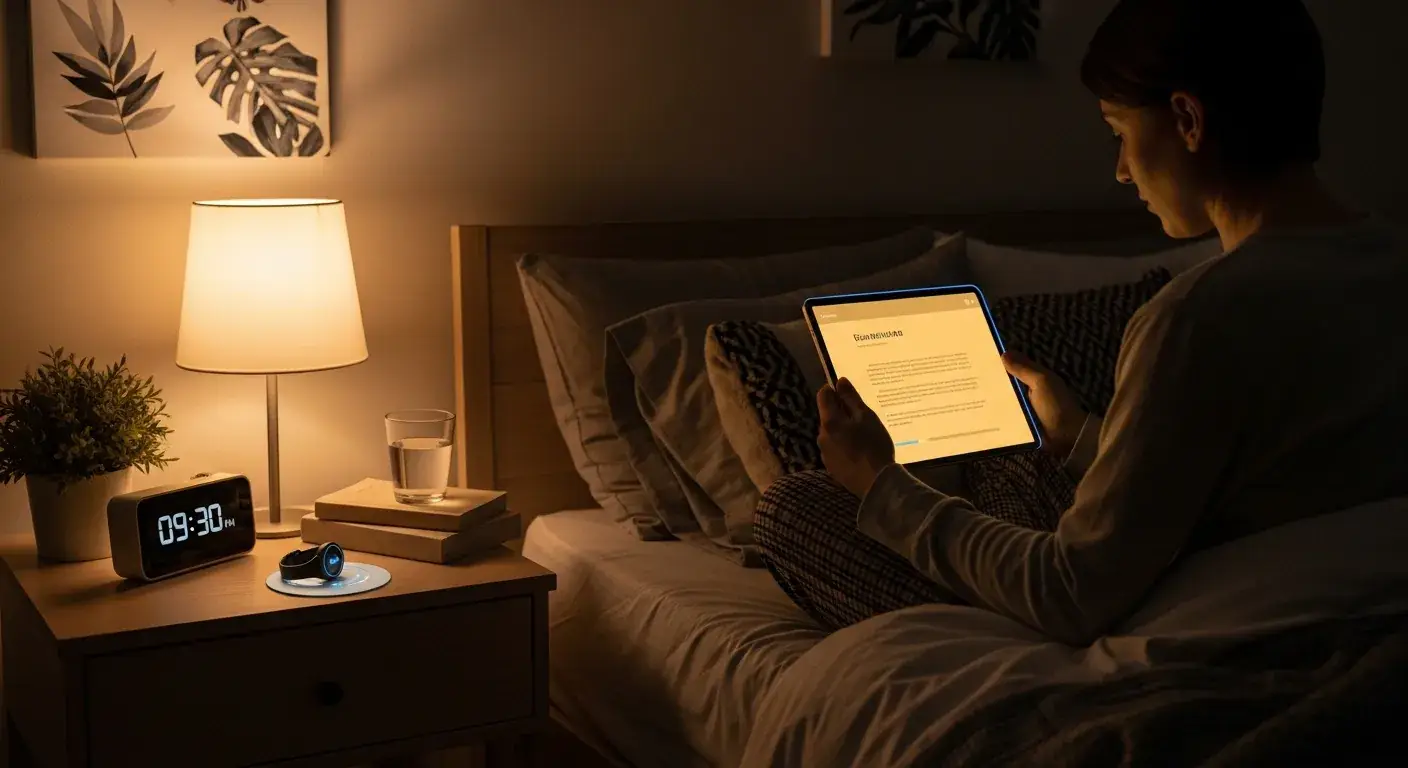
Optimizing Meal Timing and Snacks for Enhanced Nighttime Sleep Quality: Your Guide to Restful Nights
Achieving a truly restorative night's sleep often feels like a complex puzzle, but a significant piece lies in something we do every day: eating. The relationship between our dietary habits, especially meal timing and snack choices, and the quality of our sleep is profound and scientifically supported. By understanding how different foods and when we consume them affect our body's natural sleep-wake cycle, known as the circadian rhythm, we can unlock a powerful strategy for enhanced nighttime sleep quality. This article will guide you through the science, practical tips, and specific food recommendations to transform your sleep simply by making smarter dietary choices throughout your day and evening.
Key Points for Enhanced Sleep Quality:
- Timing is Everything: Eating too close to bedtime can disrupt digestion and sleep.
- Nutrient Power: Specific nutrients like tryptophan, magnesium, and complex carbs aid sleep.
- Smart Snacking: Choose light, nutrient-dense snacks if hunger strikes before bed.
- Hydration & Limits: Manage caffeine, alcohol, and excessive fluid intake in the evening.
- Consistency Counts: Regular meal and sleep schedules reinforce healthy patterns.
The Science Behind Food, Digestion, and Sleep Quality
Our bodies are intricate machines, and what we put into them directly influences their operations, including the crucial process of sleep. The interplay between food, digestion, and sleep involves hormones, metabolic processes, and the delicate balance of our internal clock. Understanding this connection is the first step towards optimizing meal timing and snacks for enhanced nighttime sleep quality.
How Digestion Impacts Your Sleep Cycle
Digestion is an energy-intensive process. When you eat a large or heavy meal, especially close to bedtime, your body diverts energy to break down food, increasing core body temperature and potentially causing discomfort like indigestion or acid reflux. This physiological activity can keep your body in a state of alertness, making it difficult to fall asleep or stay asleep. A 2023 review in 'Sleep Medicine Reviews' highlighted that late-night caloric intake significantly correlates with increased sleep latency and reduced REM sleep. Conversely, allowing ample time for digestion before sleep ensures your body can focus on repair and restoration, the true purpose of sleep.
Key Nutrients for a Restful Night
Certain nutrients act as natural sleep aids by influencing neurotransmitters and hormones that regulate sleep.
- Tryptophan: This amino acid is a precursor to serotonin, which in turn converts to melatonin – the hormone that controls your sleep-wake cycle. Foods rich in tryptophan include turkey, chicken, eggs, cheese, nuts, and seeds.
- Magnesium: Known as nature's relaxant, magnesium helps activate the parasympathetic nervous system, which is responsible for relaxing your body and mind. A 2024 study by the National Sleep Foundation indicated that adequate magnesium intake is crucial for deep sleep. Dark leafy greens, nuts, seeds, legumes, and whole grains are excellent sources.
- Complex Carbohydrates: These help increase the availability of tryptophan in the brain. Examples include oats, whole-grain bread, sweet potatoes, and brown rice.
- Melatonin: While the body produces it, some foods contain small amounts, such as tart cherries, walnuts, and almonds.
For a more comprehensive look at how specific supplements can aid your rest, you might want to delve deeper into natural sleep aids and their benefits.
Optimizing Your Dinner for Better Sleep
Dinner is arguably the most critical meal when it comes to sleep quality. Getting this meal right can set the stage for a night of deep, undisturbed rest, significantly contributing to enhanced nighttime sleep quality.
The Ideal Dinner Timing for Digestion and Sleep
The golden rule for dinner timing is to finish eating at least 2-3 hours before you plan to go to bed. This window allows your body sufficient time to digest the meal, reducing the likelihood of digestive discomfort interfering with sleep. For instance, if you aim to be asleep by 10:00 PM, try to have dinner no later than 7:00 PM. This personalized approach to meal timing is a core component of chrononutrition, an emerging field emphasizing eating in sync with your body's internal clock.
Sleep-Friendly Dinner Choices: What to Eat
Focus on a balanced meal that combines lean protein, complex carbohydrates, and healthy fats.
- Lean Protein: Chicken breast, fish (especially fatty fish like salmon for omega-3s), tofu, or legumes provide tryptophan without being overly heavy.
- Complex Carbohydrates: A small portion of brown rice, quinoa, whole-wheat pasta, or a sweet potato can help promote tryptophan uptake and provide sustained energy without spiking blood sugar.
- Vegetables: Incorporate plenty of non-starchy vegetables like broccoli, spinach, or green beans. They are rich in vitamins, minerals, and fiber, which aid digestion without being calorie-dense.
- Healthy Fats: A small amount of avocado or olive oil can enhance satiety and nutrient absorption.
Example Dinner: Baked salmon with roasted sweet potatoes and steamed asparagus.
Foods to Avoid in the Evening for Enhanced Nighttime Sleep Quality
Just as important as what to eat is what to avoid, particularly in the hours leading up to sleep.
- Heavy, Fatty, or Fried Foods: These take longer to digest and can lead to discomfort, heartburn, and reflux. A 2025 report from the 'Digestive Health Institute' emphasized the link between high-fat evening meals and increased nocturnal awakenings.
- Spicy Foods: Can cause indigestion and heartburn, making it hard to settle down.
- Large Portions: Overeating stretches your stomach and activates the digestive system too much.
- Sugary Foods and Drinks: While they might offer a temporary energy boost, they can lead to blood sugar crashes that disrupt sleep later in the night.
Strategic Snacking: Bedtime Bites for Enhanced Nighttime Sleep Quality
Sometimes, hunger pangs strike late in the evening. A well-chosen snack can actually aid sleep, while the wrong one can completely derail it. The goal is to choose bedtime snacks that are light, easily digestible, and provide sleep-promoting nutrients.
When to Reach for a Late-Night Snack
If you find yourself genuinely hungry before bed, don't suffer through it. Hunger can be just as disruptive to sleep as an overly full stomach. The key is moderation and timing. Aim for a snack that's about 30-60 minutes before bedtime, allowing a small window for initial digestion.
Best Bedtime Snacks for Deep Sleep
Focus on small, balanced snacks that combine a complex carbohydrate with a bit of protein or healthy fat.
- Small bowl of oatmeal: Warm oats with a sprinkle of cinnamon can be incredibly soothing and provide complex carbs for tryptophan uptake.
- A handful of almonds or walnuts: Rich in magnesium and melatonin.
- A banana: Contains magnesium, potassium, and tryptophan.
- Tart cherry juice: A natural source of melatonin. Research from a 2023 study in 'Nutrients' showed that regular consumption of tart cherry juice can improve sleep duration and quality in adults.
- Whole-grain toast with a thin layer of almond butter: Provides complex carbs and healthy fats/protein.
- Warm milk: Contains tryptophan and is a traditional sleep aid.
Avoiding Common Snacking Pitfalls
- Chocolate: Especially dark chocolate, contains caffeine and other stimulants that can keep you awake.
- Caffeinated beverages: Even small amounts in the evening can be detrimental.
- Sugary cereals or pastries: Lead to blood sugar spikes and crashes.
- Greasy fast food: Heavy on the digestive system and likely to cause discomfort.
Beyond Meals: Hydration, Caffeine, and Alcohol's Role in Sleep
While meal timing and snacks are central, other dietary habits profoundly influence your sleep. A holistic approach to enhanced nighttime sleep quality involves considering your fluid intake as well.
The Impact of Hydration
Staying well-hydrated throughout the day is crucial for overall health, including sleep. Dehydration can lead to muscle cramps and discomfort that disrupt sleep. However, excessive fluid intake close to bedtime can lead to frequent awakenings for bathroom trips. Try to front-load your hydration earlier in the day and reduce intake in the 2-3 hours before bed.
Understanding Caffeine's Effects
Caffeine is a stimulant that blocks adenosine, a brain chemical that promotes sleepiness. Its effects can last for several hours, with a half-life of about 5-6 hours. This means that if you have a cup of coffee at 4 PM, half of that caffeine is still in your system at 9 PM. For optimizing meal timing and snacks for enhanced nighttime sleep quality, it's generally recommended to avoid caffeine after early afternoon, ideally cutting it off 6-8 hours before your planned bedtime.
Alcohol: A False Friend to Sleep
Many people believe alcohol helps them sleep, and it can indeed induce drowsiness. However, alcohol profoundly disrupts sleep architecture, particularly REM sleep. While it might help you fall asleep faster, it leads to fragmented sleep later in the night, often resulting in awakenings and poor sleep quality. Alcohol also exacerbates snoring and sleep apnea. It's best to limit or avoid alcohol, especially in the evening, for truly restorative sleep.
Frequently Asked Questions about Meal Timing and Sleep
Is it bad to eat right before bed?
Generally, yes. Eating a substantial meal right before bed can interfere with your sleep. Your body spends energy on digestion rather than restorative processes, potentially causing indigestion, acid reflux, and an increased body temperature, all of which can disrupt your sleep cycle. It's best to allow 2-3 hours for digestion.
What are the best foods to eat to help you sleep?
Foods rich in tryptophan (like turkey, chicken, nuts, seeds), magnesium (leafy greens, almonds), and complex carbohydrates (oatmeal, sweet potatoes) are excellent choices. Tart cherries, bananas, and warm milk also contain compounds that can promote relaxation and aid sleep.
How long before bed should I stop eating?
Aim to finish your last significant meal at least 2-3 hours before your intended bedtime. If you need a small snack due to hunger, consume it about 30-60 minutes before bed, ensuring it's light and easily digestible. This allows your digestive system to settle before you try to sleep.
Can changing my meal times really improve my sleep?
Absolutely. Aligning your eating patterns with your body's natural circadian rhythm can significantly enhance sleep quality. Eating earlier in the evening and choosing sleep-promoting foods at appropriate times helps regulate sleep hormones and supports proper digestion, leading to deeper, more restorative sleep.
Conclusion: Embrace Intentional Eating for Restful Nights
The journey to enhanced nighttime sleep quality is deeply intertwined with our daily dietary habits. By consciously optimizing meal timing and snacks, you equip your body with the best possible conditions for restorative rest. Start by making small, consistent changes: shift your dinner earlier, choose sleep-friendly ingredients, and be mindful of what you consume in the hours leading up to bedtime. These intentional choices will not only improve your sleep but also contribute to overall well-being, energy levels, and cognitive function.
We encourage you to experiment with these strategies and observe how your body responds. Share your experiences in the comments below – your insights could help others on their path to better sleep. For more tips on creating a conducive sleep environment and crafting a comprehensive evening routine, explore our other articles within the Relaxation Techniques for Sleep category.
Extended Reading and Future Exploration:
- Personalized Chrononutrition for Sleep: How individual biological clocks dictate optimal eating times.
- The Role of Gut Health in Sleep: Exploring the gut-brain axis and its influence on sleep patterns.
- Intermittent Fasting and Sleep: The potential benefits and challenges of various fasting protocols on sleep quality.