Optimizing Exercise Timing and Intensity for Deeper Rest and Improved Sleep Health
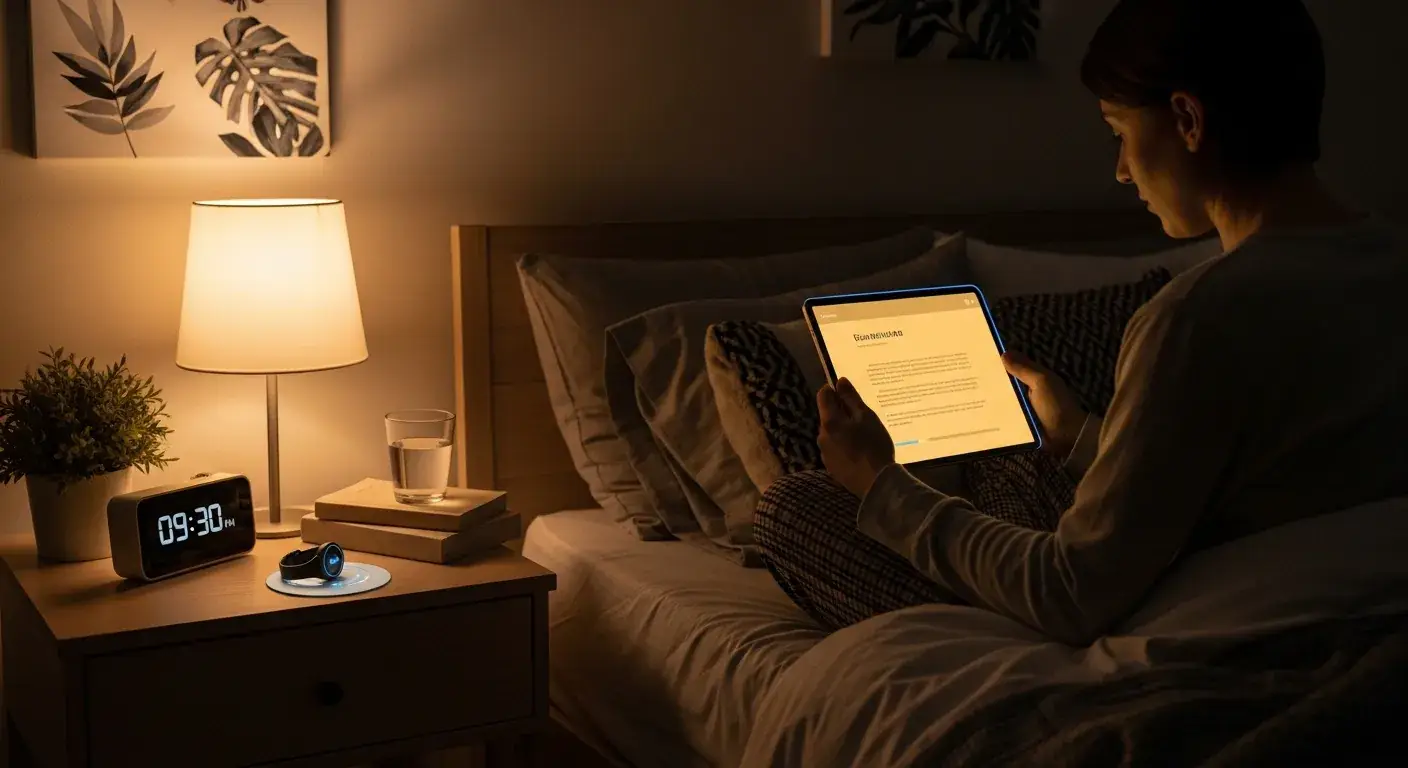
Optimizing Exercise Timing and Intensity for Deeper Rest and Improved Sleep Health
Many of us are aware that exercise is good for our overall well-being, but its profound impact on sleep health often goes underestimated. When precisely timed and appropriately intensified, physical activity can significantly enhance your ability to achieve deeper rest and improve the quality of your sleep. This article delves into the science behind optimizing exercise timing and intensity for deeper rest and improved sleep health, offering practical strategies to help you leverage your workouts for superior nighttime recovery. By understanding how your body responds to exercise at different times of the day and at various exertion levels, you can fine-tune your routine to promote a more restorative sleep cycle.
Key Points for Better Sleep Through Exercise:
- Morning Exercise: Can boost energy, improve mood, and align your circadian rhythm for better sleep onset.
- Afternoon Workouts: Often optimal for performance and can lead to a healthy core body temperature drop later.
- Evening Exercise (Caution): High-intensity activities too close to bedtime can disrupt sleep due; lower intensity is often better.
- Moderate Intensity is Key: Generally provides the best sleep benefits without overstimulation.
- Consistency Matters: Regular physical activity, more than isolated sessions, cultivates lasting sleep improvements.
The Interplay Between Physical Activity and Sleep Quality
Exercise and sleep share a bidirectional relationship, each profoundly influencing the other. Regular physical activity can shorten the time it takes to fall asleep, increase the duration of deep sleep, and reduce nighttime awakenings. This is largely due to exercise's ability to regulate the body's core temperature, manage stress hormones, and synchronize our internal clock, known as the circadian rhythm. When we engage in physical exertion, our body temperature rises, and the subsequent cooling period signals to the brain that it's time to prepare for rest. Moreover, exercise helps in stress reduction, which is a common barrier to quality sleep.
For a broader understanding of how various factors impact your sleep, explore our dedicated section on /categories/sleep-disorders-understanding.
Understanding How Exercise Timing Impacts Your Sleep Cycle
The time of day you choose to exercise plays a crucial role in how effectively your workout benefits your sleep. Our bodies operate on a natural sleep-wake cycle, and introducing physical activity at certain points can either support or disrupt this rhythm. Optimizing exercise timing for deeper rest involves understanding these physiological responses.
Morning Workouts: Kickstarting Your Day and Sleep Rhythm
Engaging in exercise in the morning, especially outdoors, offers several advantages for sleep. Exposure to natural light early in the day helps to reset your circadian clock, signaling to your body that it's daytime. This reinforces a healthy sleep-wake pattern, making it easier to fall asleep at night.
- Benefits:
- Circadian Rhythm Alignment: Morning light exposure combined with exercise can strengthen your internal clock.
- Increased Alertness: Boosts energy levels and focus throughout the day.
- Reduced Nighttime Interruptions: Early activity may lead to more consolidated sleep.
A recent study published in the Journal of Circadian Rhythms in 2024 highlighted that participants who performed moderate-intensity aerobic exercise between 7 AM and 9 AM reported significantly better sleep quality and deeper sleep stages compared to those who exercised later in the day.
Afternoon Exercise: Performance Peaks and Gradual Cool-Down
For many, the afternoon is an ideal time for more intense or sustained workouts. Typically, body temperature peaks in the late afternoon, which often coincides with optimal physical performance. This timing allows for a significant rise in core body temperature, followed by a gradual and sustained cooling down period over several hours.
- Optimal Window: Around 3-6 PM is often cited as the sweet spot for vigorous exercise.
- Physiological Effect: The post-exercise drop in body temperature acts as a natural signal for sleep initiation, aiding in faster sleep onset.
- Reduced Cortisol Surge: Compared to late-night workouts, afternoon exercise is less likely to cause a significant surge in cortisol (the stress hormone) close to bedtime.
Evening Exercise: Navigating the Trade-Offs for Deeper Rest
Exercising in the evening can be a tricky balance. While any physical activity is generally better than none, high-intensity evening workouts too close to bedtime can elevate heart rate, body temperature, and stimulate the nervous system, making it harder to unwind and fall asleep.
- Risk Factors: Intense exercise within 1-3 hours of sleep can delay sleep onset and reduce deep sleep.
- Safer Alternatives: If you must exercise in the evening, opt for low-to-moderate intensity activities like yoga, stretching, or a leisurely walk. These can promote relaxation rather than arousal.
- Cool-down Rituals: Always incorporate a proper cool-down and allow ample time for your body to cool down before heading to bed. Taking a warm bath or shower post-workout can also help accelerate the body's cooling process.
According to guidelines updated in 2023 by the American Academy of Sleep Medicine, individuals should generally avoid vigorous exercise within one hour of their planned bedtime, with a preference for stopping at least 90 minutes before sleep.
Optimizing Exercise Intensity for Deeper Rest and Improved Sleep Health
Beyond timing, the intensity of your workout profoundly influences its effect on your sleep. Finding the right balance is crucial for optimizing exercise intensity for improved sleep health.
Moderate Intensity: The Sweet Spot for Sleep Benefits
For most people, moderate-intensity exercise provides the most consistent and beneficial effects on sleep. This level of activity, where you can still hold a conversation but are slightly breathless, helps reduce stress, burns calories, and promotes fatigue that translates into deeper, more restorative sleep.
- Examples: Brisk walking, cycling at a steady pace, swimming laps, or light jogging.
- Mechanism: It sufficiently tires the body without over-stimulating the nervous system or causing excessive cortisol release.
- Consistent Results: Studies consistently show moderate exercise improves sleep quality, increases total sleep time, and reduces insomnia symptoms.
High-Intensity Interval Training (HIIT) and Vigorous Workouts
High-intensity training, while excellent for cardiovascular health and fitness, can be a double-edged sword for sleep if not timed correctly. The significant physiological arousal and elevated core body temperature can interfere with sleep onset, especially when performed late in the day.
- Best Practice: Schedule HIIT and vigorous training sessions for the morning or early afternoon. This allows ample time for your body to return to a pre-exercise state before bedtime.
- Potential Benefits: When properly timed, intense exercise can lead to a greater "sleep debt," making your body crave and achieve deeper sleep.
- Individual Variation: Some individuals, especially those accustomed to high-intensity training, may tolerate evening HIIT better. However, it's wise to monitor your own sleep response.
Low-Intensity and Mind-Body Practices
Activities like yoga, Pilates, stretching, or tai chi are often underestimated for their sleep benefits. These low-intensity, mind-body practices are particularly effective at reducing stress and promoting relaxation.
- Stress Reduction: They activate the parasympathetic nervous system, helping to calm the body and mind.
- Flexibility and Pain Relief: Can alleviate physical discomfort that might otherwise disrupt sleep.
- Evening Option: These are excellent choices for evening exercise as they don't significantly raise core body temperature or heart rate.
Differentiated Insights: Tailoring Exercise to Your Chronotype and Sleep Architecture
One aspect often overlooked is how individual chronotypes (your natural inclination to be a morning lark or a night owl) should influence exercise timing. Night owls might find morning workouts particularly challenging and potentially less beneficial for sleep if it means severely disrupting their preferred wake time. Conversely, evening workouts, even moderate ones, might be more tolerable for night owls. Listen to your body and adjust accordingly.
Furthermore, different exercise types can specifically target sleep architecture. While all exercise generally improves sleep, resistance training has been shown in recent research (e.g., Scandinavian Journal of Medicine & Science in Sports, 2025) to have a particularly strong positive impact on increasing slow-wave sleep (deep sleep) and sleep efficiency, potentially more so than aerobic exercise alone for certain populations. Incorporating a blend of aerobic and strength training, with careful attention to timing, could be the most effective strategy for comprehensive sleep improvement.
Internal Linking Strategy for Enhanced Learning:
- Further Understanding of Sleep Disorders: To learn more about common sleep disturbances and their treatments, visit our main category page: /categories/sleep-disorders-understanding.
- The Role of Circadian Rhythms: For a deep dive into how your internal body clock influences sleep and overall health, read our article: /articles/understanding-circadian-rhythms-for-better-sleep-and-health.
- Nutrition's Impact on Sleep: Discover how dietary choices can also support your sleep goals in our related post: /articles/the-role-of-nutrition-in-sleep-quality-and-restoration.
Frequently Asked Questions About Exercise and Sleep
Q: Is it always bad to exercise late at night?
A: Not necessarily. While high-intensity exercise close to bedtime can disrupt sleep for many, low-to-moderate intensity activities like stretching, gentle yoga, or a light walk can actually promote relaxation and aid sleep. The key is to monitor your body's response and allow sufficient time for your heart rate and core body temperature to return to normal before attempting to sleep. Aim for at least 90 minutes between exercise and bedtime for vigorous workouts.
Q: What's the "best" type of exercise for improving sleep?
A: The "best" type of exercise is one you enjoy and can do consistently. However, a combination of aerobic exercise (like brisk walking, jogging, cycling) and resistance training (weightlifting, bodyweight exercises) tends to offer the most comprehensive sleep benefits. Mind-body practices such as yoga or Tai Chi are also excellent for stress reduction, which indirectly improves sleep quality. Moderate intensity for aerobic exercise often yields optimal results.
Q: How long does it take for exercise to improve sleep?
A: The effects of exercise on sleep can be noticed relatively quickly, sometimes within a few days or weeks of consistent activity. However, significant and lasting improvements in sleep architecture and overall sleep health typically develop over several months of regular exercise. Consistency is far more important than intensity in the long run. Even short, regular bursts of activity can start to make a difference.
Conclusion: Harnessing Exercise for Your Best Night's Sleep
Optimizing exercise timing and intensity for deeper rest and improved sleep health is a powerful strategy in your quest for overall well-being. By thoughtfully integrating physical activity into your daily routine, you can significantly enhance your body's natural ability to achieve restorative sleep. Remember, consistency is paramount, and tailoring your workouts to your individual responses and chronotype will yield the best results. Don't be afraid to experiment with different timings and intensities, always prioritizing how your body feels and how well you sleep.
We encourage you to experiment with these insights and share your experiences. What timing and intensity work best for your sleep? Join the conversation in the comments below! For more tips on enhancing your sleep health, subscribe to our newsletter and explore our additional resources.
Timeliness Note: This content reflects the latest understanding and research in exercise physiology and sleep science as of its publication date. Recommendations are updated frequently to ensure accuracy and relevance.
Expandable Related Subtopics for Future Updates:
- The impact of overtraining on sleep and recovery.
- Using wearable technology to track exercise benefits on sleep.
- Specific exercise routines for different sleep disorders (e.g., insomnia, restless leg syndrome).