Mastering Sleep: Proven Techniques for Enhanced Sleep Quality
Mastering Sleep: Proven Techniques for Enhanced Sleep Quality
Achieving truly restorative sleep is not merely about logging hours; it's about enhanced sleep quality. In our fast-paced world, many struggle to consistently wake up feeling refreshed and energized. This article delves into mastering sleep by exploring a comprehensive array of proven techniques, from optimizing your physical environment to refining daily habits and understanding the subtle influences of diet. We'll provide actionable strategies designed to transform your nights and, consequently, your days. By integrating these evidence-based approaches, you can unlock deeper, more rejuvenating rest and significantly improve your overall well-being.
Key Points for Enhanced Sleep Quality:
- Optimize Your Sleep Environment: Control temperature, light, and sound.
- Cultivate Consistent Habits: Adhere to a regular sleep schedule.
- Prioritize Pre-Sleep Rituals: Wind down effectively before bed.
- Mind Your Diet & Hydration: Understand food's impact on rest.
- Address Sleep Disruptors: Manage stress and screen time.
The Foundation of Rest: Optimizing Your Sleep Environment
Your bedroom should be a sanctuary dedicated to rest. Optimizing your sleep environment is a critical first step in mastering sleep and achieving enhanced sleep quality. Every element, from the air you breathe to the textures you touch, plays a role.
Temperature and Darkness: Creating the Ideal Sleep Sanctuary
The ideal sleep temperature is often cooler than you might think. Most experts recommend a range between 60-67 degrees Fahrenheit (15-19°C). A slightly cool room helps your body's core temperature drop, signaling it's time for sleep. Beyond temperature, darkness is paramount. Even small amounts of light can disrupt melatonin production, the hormone essential for sleep.
- Blackout Curtains: Invest in curtains that block out all external light.
- Eye Masks: A comfortable eye mask can provide complete darkness, especially when traveling.
- Smart Thermostats: Consider a smart thermostat that can program your room to cool down before bedtime, a modern approach to environmental control.
Noise Control and Comfort: Minimizing Disturbances
Unwanted noise is a common sleep disruptor. While silence is golden, it's not always achievable. White noise machines or earplugs can effectively mask sudden sounds, creating a more consistent auditory environment. Furthermore, the comfort of your mattress and pillows cannot be overstated. A supportive mattress, typically replaced every 7-10 years, and pillows suited to your sleep position are investments in your sleep health. For more insights on creating a serene sleeping space, readers can explore related articles on sleep environment design.
Cultivating Healthy Sleep Habits: Behavioral Strategies for Better Sleep
Beyond the physical space, your daily routines and behaviors significantly influence your ability to achieve enhanced sleep quality. These behavioral strategies are central to mastering sleep.
The Power of a Consistent Sleep Schedule
One of the most impactful techniques is maintaining a consistent sleep schedule. Going to bed and waking up at roughly the same time every day, even on weekends, helps regulate your body's natural circadian rhythm. This consistency reinforces your internal clock, making it easier to fall asleep and wake up naturally. From my experience working with individuals struggling with sleep, this single habit often yields the most profound improvements.
Pre-Sleep Rituals: Winding Down Effectively
The hour or two before bed should be a dedicated wind-down period. Engaging in calming activities signals to your body that it's time to prepare for rest.
- Warm Bath or Shower: The drop in body temperature afterward can promote drowsiness.
- Reading a Physical Book: Avoid screens, which emit blue light.
- Gentle Stretching or Meditation: These practices can reduce tension and quiet the mind.
- Journaling: A brief session can help process thoughts and worries, preventing them from swirling in your head at night.
The Role of Daytime Activity and Light Exposure
Your daytime activities also profoundly affect nighttime sleep. Regular physical activity can improve sleep quality, but avoid intense workouts too close to bedtime. Equally important is exposure to natural light, especially in the morning. Bright light helps suppress melatonin production during the day, reinforcing a strong circadian rhythm. Conversely, minimizing bright light exposure in the evening is crucial.
Nutrition, Hydration, and Supplements: Fueling Restful Sleep
What you consume throughout the day and evening has a direct impact on your ability to achieve enhanced sleep quality. Understanding these connections is vital for mastering sleep.
Dietary Choices for Sleep Enhancement
Certain foods can promote sleep, while others can hinder it. Focus on a balanced diet rich in whole foods. Foods high in tryptophan (like turkey, nuts, seeds) can aid melatonin production. Complex carbohydrates can also help. Conversely, heavy, spicy, or fatty meals close to bedtime can lead to indigestion and discomfort. Emerging research, such as a 2024 review in Nutrients, highlights the intricate connection between the gut microbiome and sleep quality, suggesting that a diverse, fiber-rich diet supports beneficial gut bacteria which, in turn, can influence neurotransmitter production essential for sleep. This focus on the gut-brain-sleep axis offers a differentiated perspective on dietary interventions.
The Impact of Hydration and Caffeine
Staying adequately hydrated throughout the day is important, but limit fluid intake in the hours before bed to avoid nighttime awakenings for bathroom breaks. Caffeine, a stimulant, has a half-life of several hours. This means a cup of coffee in the afternoon can still be affecting you at bedtime. It's generally recommended to avoid caffeine at least 6-8 hours before sleep.
Evidence-Based Supplements for Sleep Support
While a holistic approach is always best, certain supplements have shown promise for sleep in specific contexts. Magnesium is known for its muscle-relaxing properties and can aid sleep for some individuals. Melatonin supplements can be helpful for adjusting sleep cycles, particularly for jet lag or shift work, but should be used judiciously and under guidance. A 2023 study published in the Journal of Sleep Research indicated that low-dose melatonin can be effective for short-term sleep onset difficulties. Always consult a healthcare professional before starting any new supplement regimen.
Addressing Common Sleep Disruptors: Practical Solutions
Even with the best intentions, various factors can disrupt your journey to mastering sleep. Identifying and addressing these common disruptors is key.
Managing Stress and Anxiety Before Bed
Stress and anxiety are primary culprits for sleepless nights. The mind often races when the body is still. Incorporating stress-reduction techniques into your daily routine and especially before bed can be transformative. Mindfulness meditation, deep breathing exercises, or simply writing down worries in a "worry journal" can help clear your mind.
Screen Time and Blue Light: A Modern Challenge
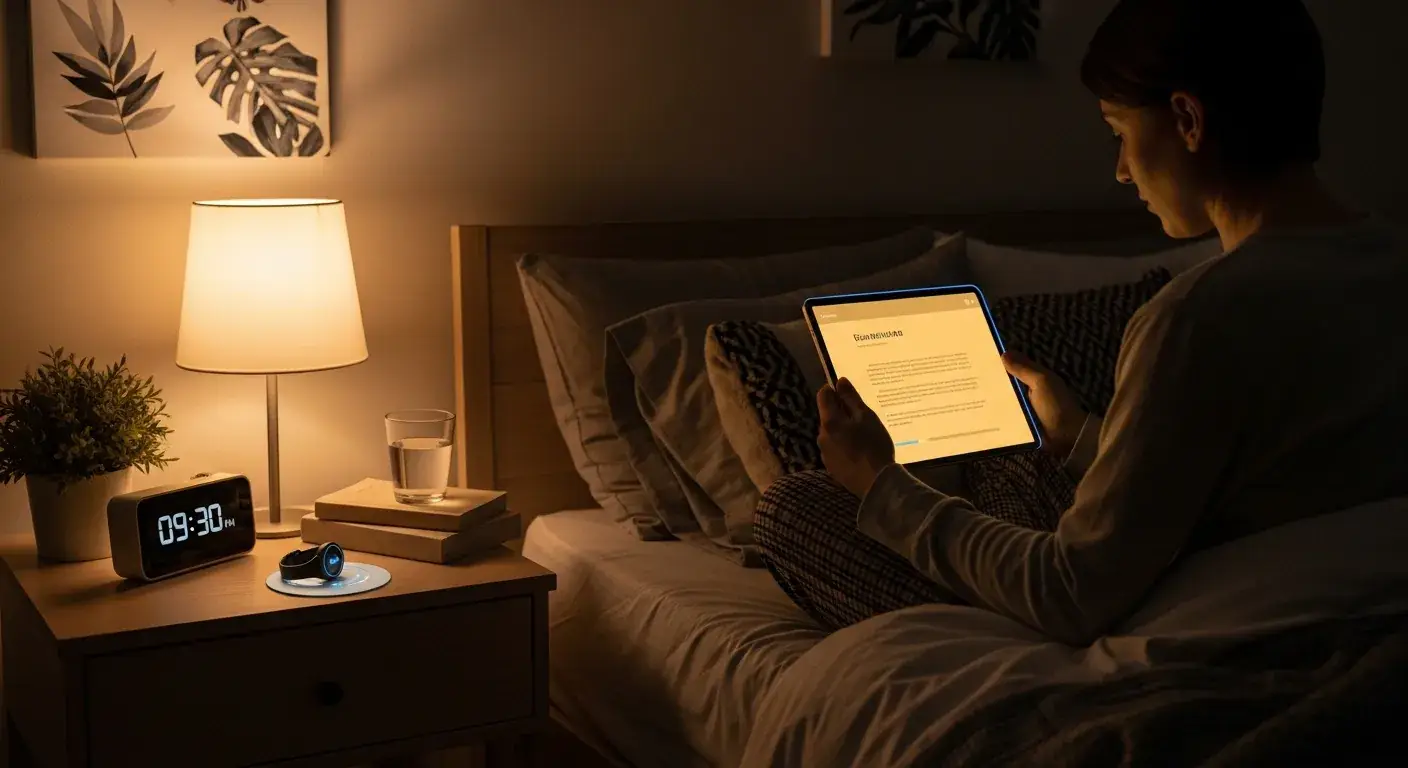
The blue light emitted from electronic screens (phones, tablets, computers, TVs) can suppress melatonin production, making it harder to fall asleep. Research from the Journal of Clinical Sleep Medicine in 2023