Integrating Natural Sleep Aids into Your Routine for Deeper, Restorative Sleep
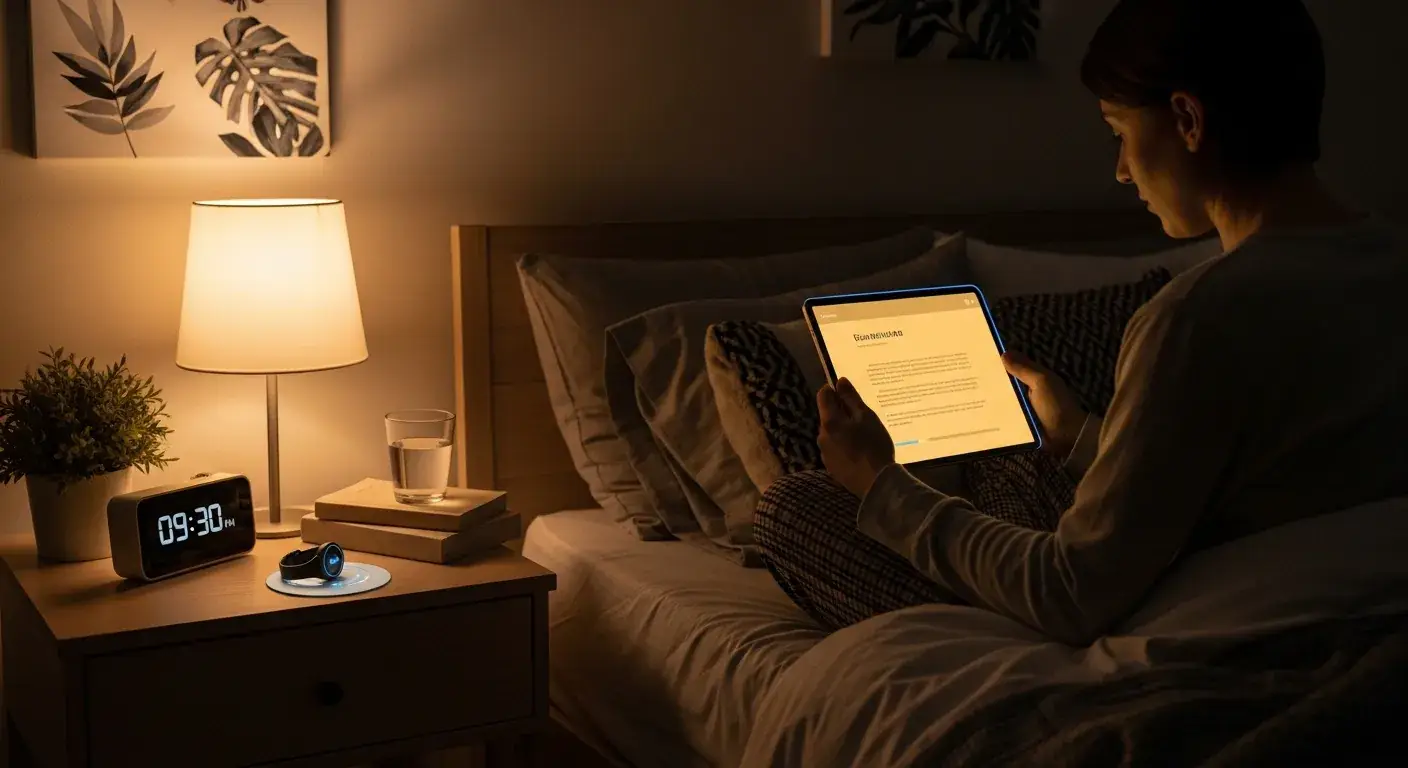
Achieving consistent, high-quality sleep is a cornerstone of overall health and well-being. In our fast-paced world, many struggle to unwind and fall asleep, often resorting to quick fixes. However, a more sustainable and holistic approach involves integrating natural sleep aids into your routine for deeper, restorative sleep. This guide explores how embracing natural solutions, combined with smart sleep practices and a touch of technology, can transform your nights and rejuvenate your days. We'll delve into effective strategies, evidence-based insights, and personalized approaches to help you unlock the profound benefits of truly restorative rest.
Key Points for Deeper, Restorative Sleep:
- Holistic Approach: Combine natural aids with lifestyle adjustments and good sleep hygiene.
- Personalized Integration: Understand that effective sleep solutions are unique to each individual.
- Technology as an Ally: Utilize smart devices to monitor progress and optimize your sleep environment.
- Mind-Body Connection: Address underlying stress and anxiety for improved sleep quality.
- Consistency is Key: Regular adherence to your chosen routine yields the best long-term results.
Understanding the Landscape of Natural Sleep Aids for Deeper Sleep
The quest for better sleep often begins with exploring natural alternatives that support the body's intrinsic sleep mechanisms. Rather than simply inducing drowsiness, these aids aim to enhance relaxation, reduce stress, and regulate your natural sleep-wake cycle. Integrating natural sleep aids into your routine starts with understanding what’s available and how they work.
Herbal remedies like valerian root, chamomile, and passionflower have been used for centuries to calm the nervous system. Modern supplements, such as magnesium, L-theanine, and melatonin, target specific physiological processes involved in sleep regulation. For instance, magnesium is vital for muscle relaxation and nerve function, while L-theanine, an amino acid found in green tea, promotes a state of calm alertness without sedation. Melatonin, a hormone naturally produced by the body, signals to the brain that it's time to sleep.
Beyond traditional options, emerging research highlights the benefits of adaptogens like ashwagandha and reishi mushrooms. These natural compounds help the body adapt to stress, which can be a significant barrier to sleep. By modulating the stress response, adaptogens don't directly induce sleep but create a more conducive internal environment for restful nights. This holistic approach to calming the body and mind can be a game-changer for individuals whose sleep is frequently disrupted by daily stressors, offering a differentiated pathway to improved restorative sleep.
Crafting Your Personalized Routine for Restorative Sleep
The true power of natural sleep aids lies in their integration into a consistent, personalized routine. It’s not just about taking a supplement; it’s about creating an environment and a set of habits that signal to your body it’s time to wind down.
Foundational Sleep Hygiene Practices
Before considering any supplements, solid sleep hygiene is paramount. A structured routine reinforces your body's natural circadian rhythm. This includes:
- Consistent Sleep Schedule: Go to bed and wake up at the same time every day, even on weekends. This regularity is crucial for regulating your internal clock and achieving deeper, restorative sleep.
- Optimized Sleep Environment: Ensure your bedroom is dark, quiet, and cool. Blackout curtains, earplugs, or a white noise machine can make a significant difference.
- Evening Wind-Down: Create a pre-sleep ritual that signals relaxation. This might involve a warm bath, reading a book, or gentle stretching. Avoid stimulating activities like intense exercise or work before bed.
- Limit Stimulants: Reduce caffeine and alcohol intake, especially in the afternoon and evening, as they can severely disrupt sleep cycles.
- Mindful Eating: Avoid heavy meals close to bedtime, which can interfere with digestion and comfort.
Understanding your body’s natural rhythm is a foundational step. For more insights on this, you might explore articles on understanding your circadian rhythm for better sleep.
Selecting and Introducing Natural Sleep Solutions
Once your sleep hygiene is established, you can thoughtfully introduce natural sleep aids. This process requires patience and observation.
- Start Small and Single: Begin with one natural aid at a time to accurately assess its effects on your sleep quality. This allows you to pinpoint what works best for you.
- Consult a Professional: Always discuss your plans with a healthcare provider, especially if you have underlying health conditions or are taking other medications. They can offer guidance on appropriate dosages and potential interactions.
- Observe and Adjust: Keep a sleep diary to track your progress. Note down the aid you used, the dosage, how quickly you fell asleep, sleep quality, and any next-day effects. This data helps in refining your approach. For example, some find a low dose of melatonin effective for adjusting sleep cycles, while others respond better to magnesium for overall relaxation.
The Role of Technology in Enhancing Natural Sleep Aid Integration
Technology, when used wisely, can be a powerful ally in your journey towards better sleep. While screens before bed are detrimental, certain smart devices and applications can support your natural sleep efforts, a crucial aspect of Technology and Sleep Management.
- Sleep Trackers: Wearable devices or under-mattress sensors can monitor sleep cycles, heart rate, and movements, providing valuable data on your sleep patterns. This feedback helps you understand the impact of your natural sleep aids and routine adjustments.
- Smart Lighting: Circadian-friendly lighting systems can gradually dim in the evening and brighten in the morning, mimicking natural light cues to support your body's melatonin production and wakefulness.
- Meditation and Mindfulness Apps: Many apps offer guided meditations, sleep stories, and soothing soundscapes that can help calm a racing mind, making it easier to fall asleep naturally. Integrating these into your evening routine can significantly enhance the effects of other natural aids.
To learn more about how smart devices can revolutionize your rest, check out our insights on the role of smart devices in improving sleep quality.
Evidence-Backed Insights and Modern Considerations
The effectiveness of natural sleep aids is increasingly supported by scientific research, offering valuable insights into their mechanisms. For example, a 2024 study published in the Journal of Sleep Research highlighted magnesium's crucial role in regulating neurotransmitters that promote relaxation and sleep, such as GABA. This reinforces why magnesium is a popular choice for those struggling with sleep.
Similarly, a report by Frontiers in Nutrition (2023) provided comprehensive data on L-theanine, noting its ability to cross the blood-brain barrier and produce calming alpha brain waves, which are associated with a relaxed but alert state. This makes it particularly useful for reducing anxiety-induced sleep onset latency without causing next-day grogginess.
From my experience working with individuals struggling with sleep patterns, the most profound improvements often come not from a single "magic bullet," but from a synergistic stacking of multiple strategies. This personalized approach, combining consistent sleep hygiene, judicious use of natural supplements, stress management techniques, and supportive technology, yields far more robust and sustainable results than any isolated intervention. It's about empowering the body's innate ability to rest, rather than forcing it into submission. This comprehensive perspective moves beyond surface-level fixes, offering a truly differentiated pathway to deeper, restorative sleep.
Overcoming Challenges and Sustaining Deeper Sleep
The journey to consistently good sleep isn't always linear. You might encounter plateaus or periods where your chosen aids seem less effective. This is normal and requires adaptation.
- Listen to Your Body: Pay attention to how you feel. If an aid causes side effects or isn't working after a reasonable trial period, consider trying something different or adjusting the dosage.
- Address Underlying Issues: Natural sleep aids are supportive, but they aren't cures for chronic sleep disorders or significant stress. If you suspect an underlying condition like sleep apnea, restless legs syndrome, or chronic anxiety, seek professional medical advice.
- Long-Term Commitment: Achieving and maintaining deeper, restorative sleep is a lifestyle commitment. It involves ongoing dedication to your routine, continuous learning about your body's needs, and openness to adapting your strategies over time. Natural solutions are about supporting your body's ability to heal and regulate itself, which often requires consistent effort.
Frequently Asked Questions (FAQ)
Q: Are natural sleep aids safe for long-term use?
A: The long-term safety of natural sleep aids varies significantly by the specific supplement or herb. While many, like chamomile tea or magnesium, are generally considered safe for extended use at appropriate dosages, others, such as valerian root or higher doses of melatonin, might have different considerations. It's crucial to consult a healthcare professional to discuss your individual health profile and potential risks before committing to long-term use.
Q: How long does it take for natural sleep aids to work?
A: The onset time for natural sleep aids can range from immediate to several weeks. Some, like L-theanine or a warm herbal tea, may induce relaxation relatively quickly. Others, especially those that address underlying deficiencies like magnesium or adaptogens that manage stress, might require consistent use over several days or even weeks to show noticeable improvements in sleep quality. Consistency with your routine is key.
Q: Can I combine different natural sleep aids for better results?
A: Combining natural sleep aids can potentially enhance their effects, but it also increases the risk of side effects or unintended interactions. For example, combining multiple sedating herbs might lead to excessive drowsiness. Always exercise caution and, ideally, consult a healthcare provider before combining different natural sleep aids to ensure safety and efficacy. They can help you determine a safe and beneficial combination.
Q: Do natural sleep aids work for everyone?
A: No, natural sleep aids do not work universally for everyone. Individual responses can vary widely due to genetics, metabolism, underlying health conditions, and lifestyle factors. What works wonderfully for one person might have little to no effect on another. It often requires some experimentation and patience to find the natural solutions that best align with your unique physiological needs. Addressing core sleep hygiene is often more impactful.
Embark on Your Journey to Deeper Sleep
Integrating natural sleep aids into your routine for deeper, restorative sleep is a powerful step towards a healthier, more vibrant life. By combining the wisdom of natural remedies with robust sleep hygiene and smart technology, you can create a personalized blueprint for consistent, high-quality rest. Remember, this is a journey of self-discovery and commitment. Start small, listen to your body, and don't hesitate to seek professional guidance.
Share your experiences in the comments below – what natural sleep aids have worked best for you? Subscribe to our newsletter for more cutting-edge insights and tips on optimizing your sleep and well-being.
Extended Reading & Resources:
- Explore more in our Technology and Sleep Management category for advanced strategies.
- "Optimizing Your Sleep Environment for Peak Performance": Discover how to create the ideal sanctuary for rest.
- "Mindfulness Techniques for Stress Reduction and Improved Sleep": Learn practical methods to calm your mind before bed.