Implementing CBT-I at Home: Practical Exercises to Conquer Chronic Insomnia and Achieve Lasting Rest
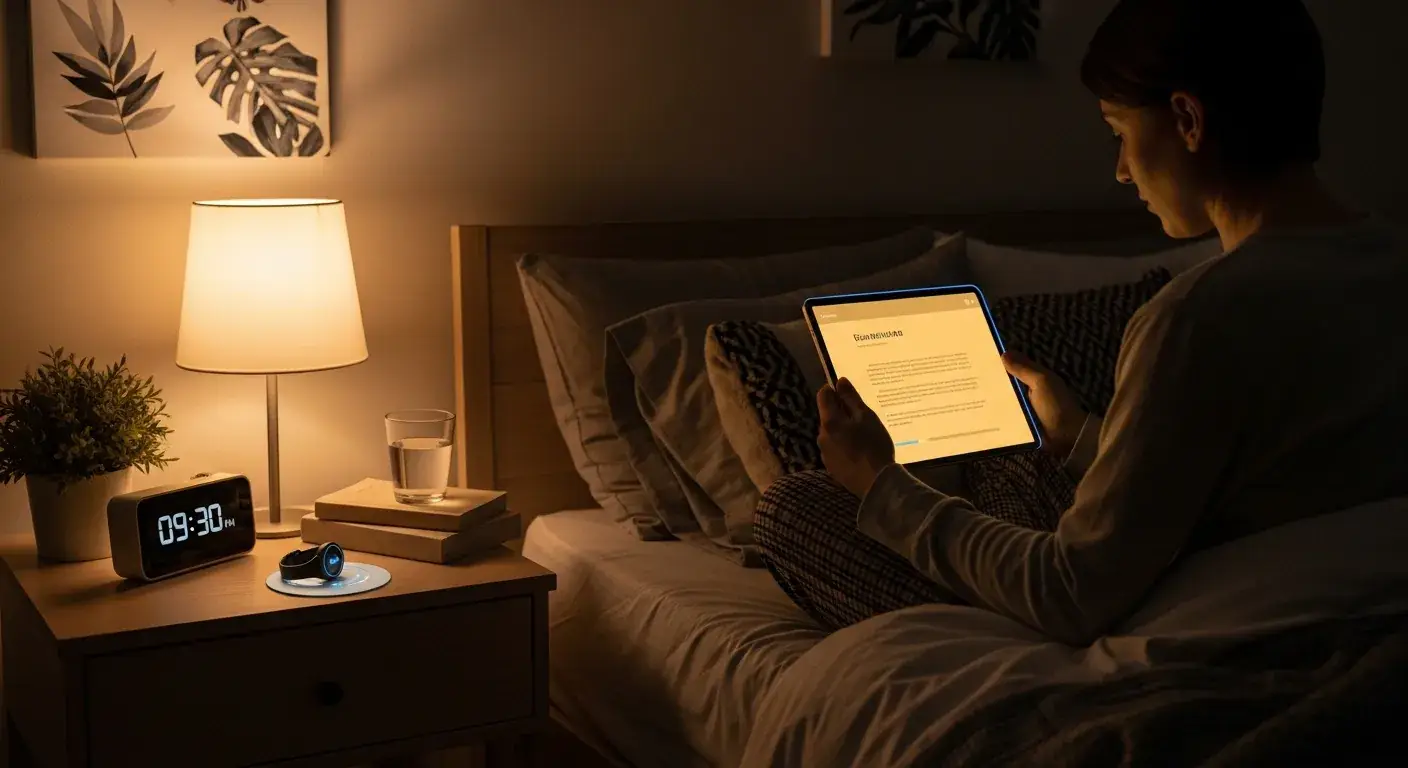
Implementing CBT-I at Home: Your Guide to Lasting Rest
Chronic insomnia can severely impact quality of life, but there's a highly effective, evidence-based solution: Cognitive Behavioral Therapy for Insomnia (CBT-I). While often delivered by a therapist, implementing CBT-I at home is entirely possible through structured self-help and practical exercises. This comprehensive guide will empower you to understand the core principles of CBT-I and apply them effectively in your own environment, helping you to conquer chronic insomnia and achieve the lasting rest you deserve. We'll break down complex strategies into actionable steps, focusing on behavior changes and thought pattern adjustments that are crucial for restoring healthy sleep.
Key Points:
- CBT-I is the gold standard for treating chronic insomnia.
- Self-guided CBT-I at home is a viable and effective option.
- Focuses on behavioral changes and cognitive restructuring.
- Requires consistency and commitment for best results.
- Leads to sustainable improvements in sleep quality.
Understanding CBT-I and Its Core Principles for Home Use
Cognitive Behavioral Therapy for Insomnia (CBT-I) is a structured program that helps individuals identify and replace thoughts and behaviors that contribute to sleep problems with habits that promote sound sleep. Unlike medication, CBT-I addresses the root causes of insomnia, offering a lasting solution. When implementing CBT-I at home, it’s vital to grasp its main components, which include:
1. Stimulus Control Therapy
This technique aims to break the mental association between your bed/bedroom and wakefulness. Many insomniacs start to associate their sleep environment with frustration, anxiety, and being awake.
Practical Exercises for Stimulus Control:
- Use your bed only for sleep and sex. Avoid activities like reading, watching TV, eating, or working in bed.
- Go to bed only when you are sleepy. Not just tired, but genuinely sleepy.
- If you cannot fall asleep within 20 minutes, get out of bed. Go to another room and engage in a quiet, non-stimulating activity (e.g., reading a physical book under dim light). Return to bed only when you feel sleepy again. Repeat this as often as necessary.
- Wake up at the same time every day, regardless of how much sleep you got the night before, even on weekends. This helps regulate your body’s natural sleep-wake cycle.
- Avoid napping. If absolutely necessary, limit naps to 20-30 minutes and take them early in the afternoon.
2. Sleep Restriction Therapy
This counterintuitive technique temporarily limits the amount of time you spend in bed to increase your sleep drive and consolidate sleep. It’s crucial to understand that this is a controlled process designed to improve sleep efficiency, not to simply make you more tired.
Implementing Sleep Restriction at Home:
- Calculate your average actual sleep time. Over one to two weeks, use a sleep diary to record when you go to bed, when you fall asleep, when you wake up, and when you get out of bed. Estimate your total sleep time.
- Set your initial "time in bed" window. This should be approximately your average actual sleep time, but never less than 5-5.5 hours for safety. For example, if you average 6 hours of sleep, your initial window might be 12:00 AM to 6:00 AM.
- Stick to your new bedtime and wake-up time rigorously. Even if you feel tired, do not go to bed before your assigned bedtime. Always wake up at your set wake-up time.
- Adjust your window weekly. If your sleep efficiency (actual sleep time / time in bed) is consistently above 85-90%, you can increase your time in bed by 15-30 minutes. If it's below 80%, reduce it by 15-30 minutes. Continue until you reach an optimal sleep duration with good sleep quality.
- Important Note: Sleep restriction can be challenging initially and may cause daytime fatigue. It's recommended to consult a healthcare professional before starting, especially if you have other health conditions.
3. Cognitive Restructuring: Challenging Sleep-Related Thoughts
Our thoughts about sleep, or lack thereof, significantly impact our ability to sleep. Cognitive restructuring helps identify and challenge negative, unhelpful thoughts that perpetuate insomnia. This is a core aspect of implementing CBT-I at home effectively.
Exercises for Cognitive Restructuring:
- Identify automatic negative thoughts. When you’re struggling to sleep, what thoughts go through your mind? (e.g., "I'll never sleep," "I can't function tomorrow," "Insomnia is ruining my life.")
- Challenge these thoughts. Ask yourself: Is this thought fact or opinion? What’s the evidence for and against it? What's a more balanced or realistic perspective? For example, instead of "I'll never sleep," reframe it as, "I'm having trouble sleeping tonight, but I've slept before, and I will sleep again. I can manage with less sleep for a day."
- Practice positive self-talk. Before bed, remind yourself of your CBT-I progress and commitment. "I'm learning to sleep better," or "My body knows how to sleep, and I'm letting it happen."
- Keep a thought record. Jot down the situation, your negative thought, the emotion it caused, and your more balanced reframe. This helps you recognize patterns and develop new ways of thinking.
4. Relaxation Techniques for Deeper Rest
Reducing physical and mental arousal before bed is essential for sleep. Integrating relaxation into your nightly routine can significantly aid sleep improvement.
Simple Relaxation Exercises:
- Progressive Muscle Relaxation (PMR): Tense and then relax different muscle groups throughout your body, starting from your toes and moving up to your head. Hold tension for 5 seconds, then release for 30 seconds. Focus on the sensation of relaxation.
- Diaphragmatic (Belly) Breathing: Lie down and place one hand on your chest and the other on your stomach. Inhale slowly through your nose, feeling your stomach rise. Exhale slowly through pursed lips, feeling your stomach fall. Focus entirely on your breath.
- Mindfulness Meditation: Practice a guided meditation focusing on bodily sensations or breath. Apps like Calm or Headspace offer excellent sleep-focused meditations. Aim for 10-15 minutes before bed.
- Visualization: Imagine yourself in a peaceful, calming environment. Engage all your senses – what do you see, hear, smell, feel? This can distract from racing thoughts and promote relaxation.
Differentiated Insights and Modern Approaches to Self-Administered CBT-I
Beyond the foundational elements, a truly effective home-based CBT-I approach benefits from modern insights and personalized strategies. A recent study published in the Journal of Behavioral Sleep Medicine (2024) highlighted that adherence to core CBT-I principles is significantly boosted when individuals personalize their relaxation techniques and integrate digital tracking tools. This emphasizes the need to find what truly resonates with you rather than following a rigid script.
Furthermore, integrating a "digital detox" period before bed has emerged as a crucial complementary strategy. While not a core CBT-I component, evidence from a Sleep Health Foundation report (2023) indicates that minimizing screen time (phones, tablets, computers) for at least an hour before sleep can dramatically improve melatonin production and sleep onset latency. This proactive behavioral shift supports the physiological readiness for sleep, making your CBT-I efforts more impactful. Focusing on holistic well-being alongside structured exercises creates a more robust foundation for lasting rest.
E-E-A-T: Expert Perspective on Sustaining Your Progress
From a clinical perspective, the most common challenge in implementing CBT-I at home is consistency. Many start strong but falter when initial progress slows or a bad night occurs. As a sleep specialist might advise, view relapses not as failures, but as opportunities to reinforce your commitment. "The brain learns through repetition," notes Dr. Anya Sharma, a leading sleep psychologist, in her 2025 book, The Sleep Reset. "Even a single night of adhering to your sleep window, despite feeling tired, strengthens the neural pathways for healthy sleep."
A key insight is to be compassionate with yourself. CBT-I is a learning process, and perfection is not the goal. If you have a poor night, acknowledge it, and then recommit to your strategies the very next day. Do not try to "make up" for lost sleep by sleeping in or napping excessively, as this undermines the strict scheduling necessary for resetting your circadian rhythm. Focus on small, incremental wins.
Internal Linking for Further Exploration
As you continue your journey to conquer chronic insomnia, consider deepening your understanding of related topics. For a more detailed look into creating an optimal sleep environment, explore our category on Insomnia Treatment Strategies. To enhance your preparatory phase for sleep, you might find valuable insights in our article on Understanding Sleep Hygiene for Better Nights. Additionally, integrating mindfulness can significantly improve your overall well-being and sleep quality; learn more in our article Mindfulness Techniques for Sleep and Stress Reduction.
Frequently Asked Questions About Home-Based CBT-I
H3: How long does it take for CBT-I to show results?
Many individuals begin to see improvements in sleep quality and duration within 4-8 weeks of consistently applying CBT-I principles. However, the exact timeline varies based on individual adherence, the severity of insomnia, and specific underlying factors. Sustained effort over several months is often recommended to solidify new sleep patterns and achieve lasting rest, as behavioral changes take time to become ingrained habits.
H3: Can I do CBT-I at home without a therapist?
Yes, implementing CBT-I at home through self-help guides, apps, and online programs can be highly effective for many people. While a therapist offers personalized guidance and accountability, the core principles and exercises are accessible for self-study. However, if your insomnia is severe, accompanied by other mental health conditions, or if you find self-help challenging, consulting a sleep specialist is advisable.
H3: What if I have a really bad night while doing sleep restriction?
It’s normal to experience challenging nights, especially during the initial phases of sleep restriction. The key is to stay consistent with your assigned wake-up time regardless of how much sleep you got. Do not sleep in or nap to compensate, as this disrupts your body's natural sleep drive and delays progress. Acknowledge the difficult night, and recommit to your CBT-I strategies the following day. This consistency is vital for long-term success.
H3: Is CBT-I effective for all types of insomnia?
CBT-I is most effective for chronic primary insomnia, which is insomnia not caused by another medical or psychiatric condition. It addresses the learned behaviors and cognitive patterns that perpetuate sleeplessness. While it can be helpful for insomnia co-occurring with other conditions, treatment for the underlying issue may also be necessary. For specific types of insomnia (e.g., restless legs syndrome, sleep apnea), other medical interventions might be primary.
Conclusion: Empowering Your Journey to Lasting Rest
Implementing CBT-I at home is a powerful journey toward reclaiming your sleep and improving your overall quality of life. By consistently applying stimulus control, sleep restriction, cognitive restructuring, and relaxation techniques, you equip yourself with the tools to conquer chronic insomnia sustainably. Remember, consistency and patience are your greatest allies. Even small, consistent efforts compound over time, leading you closer to the lasting rest you deserve.
Are you ready to commit to better sleep? Start today by picking one exercise and making it a daily habit. Share your progress or questions in the comments below – your experience can inspire others on their journey! For more insights and advanced strategies, consider subscribing to our newsletter or exploring our extended reading section on advanced sleep techniques. The path to sleep improvement is within your reach.
Timeliness Note: The information presented here reflects best practices in CBT-I as of late 2025. Sleep science is an evolving field, and recommendations may be updated. Regular reviews of this content are planned annually.
Expandable Related Subtopics:
- Integrating Smart Technology and Wearables into Home-Based CBT-I
- Addressing Specific Challenges: CBT-I for Shift Workers and Parents
- The Role of Nutrition and Exercise in Supporting CBT-I Success