Expert Sleep Improvement: Proven Techniques for Deeper Rest
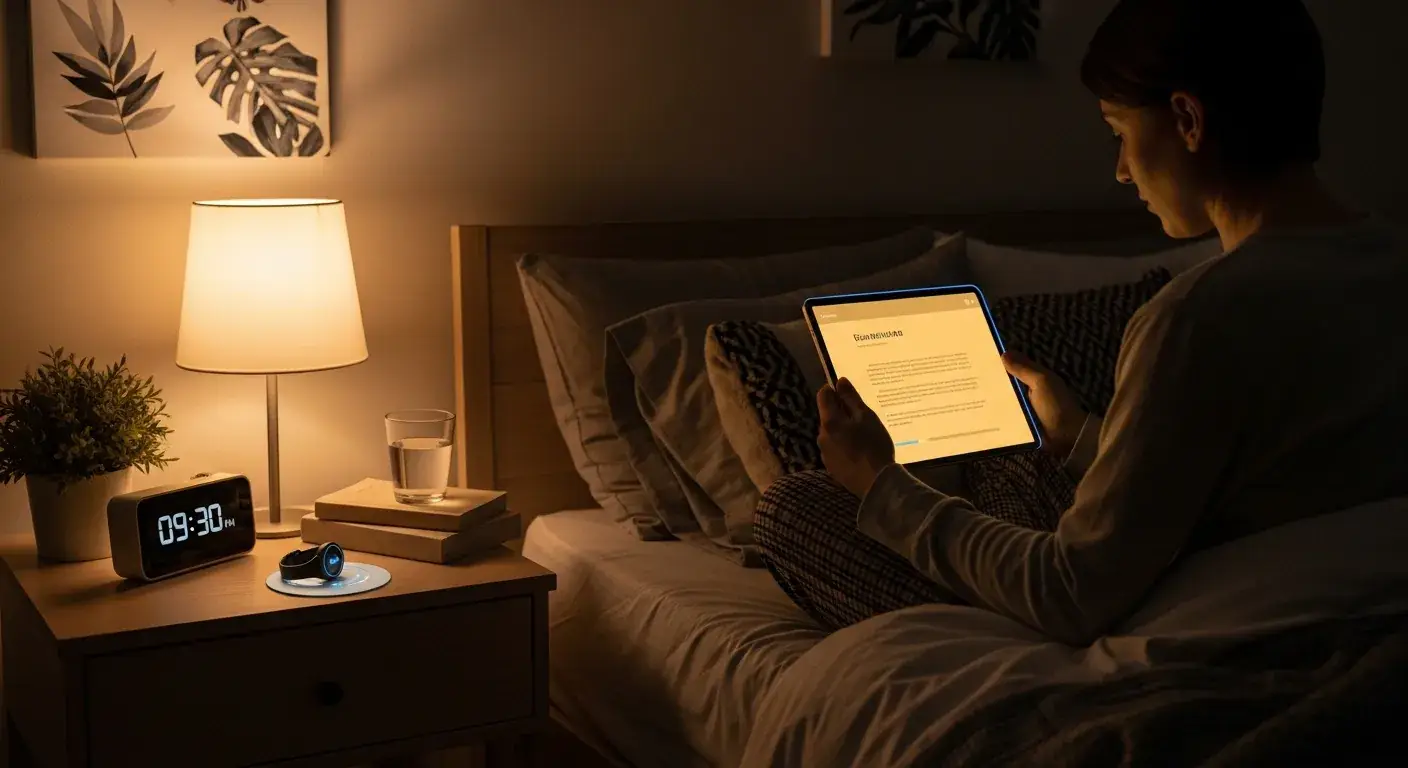
Expert Sleep Improvement: Proven Techniques for Deeper Rest
Achieving truly restorative sleep is a cornerstone of overall health and well-being. In our fast-paced world, many struggle with sleep quality, often feeling tired despite spending hours in bed. This comprehensive guide delves into expert sleep improvement strategies, offering proven techniques for deeper rest that go beyond conventional advice. We'll explore science-backed methods to optimize your sleep environment, refine your daily habits, and understand your body's unique sleep needs, ultimately helping you unlock a profound level of rest.
Key Points for Deeper Rest:
- Personalized Chronotype Alignment: Understand and optimize your sleep schedule based on your natural biological clock.
- Advanced Sleep Environment Optimization: Go beyond darkness and quiet to create a truly conducive sleep sanctuary.
- Mind-Body Connection for Sleep: Leverage mindfulness and relaxation techniques to quiet a restless mind.
- Nutritional & Lifestyle Adjustments: Discover how diet and daily activities profoundly impact sleep quality.
- Strategic Napping & Recovery: Learn the art of effective napping without disrupting nighttime sleep.
Understanding the Science of Deeper Rest
Before diving into techniques, it's crucial to grasp the fundamental science behind sleep. Sleep isn't merely an "off" switch; it's an active, complex process vital for physical and mental restoration. Our bodies cycle through different sleep stages, including light sleep, deep sleep (slow-wave sleep), and REM (rapid eye movement) sleep, each playing a unique role in memory consolidation, cellular repair, and emotional processing. Expert sleep improvement focuses on enhancing the quality and duration of these critical stages.
Optimizing Your Sleep Environment for Deeper Rest
Creating an ideal sleep sanctuary is the first step towards deeper rest. This goes beyond basic recommendations and involves a holistic approach to your bedroom.
Temperature Control: The Cool Zone for Quality Sleep
Your body's core temperature naturally drops before and during sleep. Maintaining a cool bedroom, typically between 60-67°F (15-19°C), facilitates this process. A 2023 study published in Sleep Medicine Reviews highlighted that even slight deviations from this optimal range can significantly impact sleep onset latency and deep sleep duration. Consider smart thermostats or cooling mattresses for precise control.
Light Management: Beyond Blackout Curtains
While blackout curtains are essential, consider the impact of all light sources. Even small LED indicators from electronics can disrupt melatonin production.
- Red Light Therapy: Some research suggests exposure to low-intensity red light before bed may promote relaxation and improve sleep quality by not interfering with melatonin like blue light.
- Sunrise Alarms: Gradually increasing light in the morning can gently wake you, aligning with your natural circadian rhythm and making waking up feel more natural.
Soundscapes: From Silence to Soothing Noise
Complete silence isn't always achievable or even desirable for everyone.
- White/Pink Noise: Consistent, low-frequency sounds can mask sudden noises, creating a more stable auditory environment. A 2024 review in Frontiers in Neuroscience noted the potential of pink noise to enhance deep sleep.
- Nature Sounds: Gentle rain, ocean waves, or forest sounds can be incredibly calming, helping to reduce anxiety and promote relaxation before sleep.
Personalized Chronotherapy: Aligning with Your Body Clock
One of the most significant advancements in expert sleep improvement is the understanding of individual chronotypes. Your chronotype dictates your natural inclination to sleep and wake at certain times.
- Larks (Morning People): Naturally wake early and feel most energetic in the morning.
- Owls (Evening People): Naturally stay up late and feel most energetic in the evening.
- Hummingbirds (Intermediate): Fall somewhere in between.
Trying to force an "early bird" schedule on a natural "night owl" can lead to chronic sleep deprivation and poor sleep quality. Identifying your chronotype, perhaps through online questionnaires or self-observation, allows you to tailor your sleep schedule, meal times, and even exercise routines to work with your biology, not against it. This personalized approach is a key proven technique for deeper rest.
Advanced Lifestyle Adjustments for Restorative Sleep
Beyond the bedroom, daily habits profoundly influence your ability to achieve deeper rest.
Strategic Nutrition and Hydration
What you eat and drink, and when, plays a critical role.
- Timing of Meals: Avoid heavy meals close to bedtime, as digestion can interfere with sleep. Aim for your last substantial meal 2-3 hours before sleep.
- Magnesium-Rich Foods: Foods like leafy greens, nuts, seeds, and dark chocolate are rich in magnesium, a mineral known to promote relaxation and improve sleep quality.
- Hydration: While crucial, limit fluid intake in the hour or two before bed to minimize nighttime bathroom trips.
Mind-Body Connection: Calming the Nervous System
Stress and anxiety are major culprits behind poor sleep. Integrating relaxation techniques into your daily routine can significantly enhance expert sleep improvement.
- Mindfulness Meditation: Even 10-15 minutes of daily meditation can reduce stress hormones and improve sleep onset.
- Progressive Muscle Relaxation: Tensing and relaxing different muscle groups can release physical tension, preparing your body for sleep.
- Diaphragmatic Breathing: Deep, slow belly breathing activates the parasympathetic nervous system, promoting a state of calm.
The Power of Movement: Exercise Timing and Intensity
Regular physical activity is excellent for sleep, but timing is key.
- Morning/Afternoon Workouts: Aim for moderate to vigorous exercise earlier in the day.
- Evening Gentle Activities: If you must exercise in the evening, opt for gentle activities like yoga or stretching, avoiding high-intensity workouts close to bedtime. A 2025 report by the American Academy of Sleep Medicine emphasized the importance of avoiding strenuous activity within 3 hours of sleep.
Differentiated Insights for Expert Sleep Improvement
To truly achieve deeper rest, consider these less commonly discussed, yet highly effective, strategies:
The Gut-Sleep Axis: A New Frontier
Emerging research highlights a strong connection between gut health and sleep quality. The gut microbiome produces neurotransmitters like serotonin, a precursor to melatonin.
- Probiotic-Rich Foods: Incorporating fermented foods (yogurt, kimchi, sauerkraut) or a high-quality probiotic supplement can support a healthy gut.
- Fiber Intake: A diet rich in diverse fibers feeds beneficial gut bacteria, potentially leading to improved sleep. This holistic view offers a unique pathway to expert sleep improvement.
Leveraging Wearable Tech Beyond Basic Tracking
Modern wearables offer more than just sleep duration. Focus on metrics like:
- Heart Rate Variability (HRV): A higher HRV often indicates better recovery and a more balanced nervous system, correlating with deeper, more restorative sleep.
- Sleep Stage Percentages: Pay attention to your deep sleep and REM sleep percentages. If these are consistently low, it's a strong indicator that your sleep quality needs attention, even if you're getting enough hours. This data-driven approach allows for targeted adjustments to your sleep hygiene. For more information on interpreting sleep data, readers can explore related articles on sleep analytics.
FAQ Section: Addressing Common Sleep Concerns
Q: How long does it typically take to see improvements from these sleep techniques? A: While some individuals may notice subtle improvements within a few days, significant and lasting expert sleep improvement often takes consistency over several weeks. Establishing new habits and allowing your body to adjust to a refined routine requires patience. Stick with the proven techniques for deeper rest for at least 3-4 weeks before evaluating their full impact.
Q: Can napping help with overall sleep quality, or does it interfere? A: Strategic napping can be beneficial. A short "power nap" of 20-30 minutes in the early afternoon can boost alertness and cognitive function without negatively impacting nighttime sleep. However, long or late-afternoon naps can disrupt your circadian rhythm, making it harder to fall asleep at night. The key is moderation and timing for deeper rest.
Q: What role does screen time play in disrupting sleep, and how can I mitigate it? A: The blue light emitted by screens (phones, tablets, computers) suppresses melatonin production, making it harder to fall asleep. To mitigate this, implement a "digital curfew" at least 60-90 minutes before bedtime. Use blue light filters on devices or wear blue light blocking glasses in the evening. Creating a screen-free wind-down routine is crucial for expert sleep improvement.
Q: Are there specific supplements recommended for expert sleep improvement? A: While certain supplements like magnesium, melatonin, or valerian root can be helpful for some, they should be used cautiously and ideally under professional guidance. They are not a substitute for fundamental sleep hygiene practices. Focus on optimizing your environment and habits first; supplements are a secondary, temporary aid for deeper rest.
Conclusion: Your Journey to Deeper Rest Begins Now
Achieving expert sleep improvement is an ongoing journey, not a destination. By implementing these proven techniques for deeper rest, you're not just aiming for more hours in bed, but for a profound enhancement in the quality of your sleep. From optimizing your sleep environment and aligning with your chronotype to leveraging advanced insights into gut health and sleep data, every step contributes to a more rested, rejuvenated you.
We encourage you to experiment with these strategies, paying close attention to what works best for your unique body and lifestyle. Share your experiences in the comments below – what techniques have brought you the most deeper rest? For further reading on related topics, explore our articles on managing stress for better sleep or the benefits of a consistent sleep schedule. Your commitment to better sleep is an investment in your overall health and vitality.
Future Expansion Topics:
- The Role of Hormones in Sleep: Detailed exploration of cortisol, growth hormone, and their impact on sleep cycles.
- Cognitive Behavioral Therapy for Insomnia (CBT-I): A deeper dive into this evidence-based therapy for chronic sleep issues.
- Sleep and Mental Health: The bidirectional relationship between sleep quality and conditions like anxiety and depression.