Evidence-Based Lifestyle Changes to Naturally Conquer Insomnia and Enhance Rest Quality
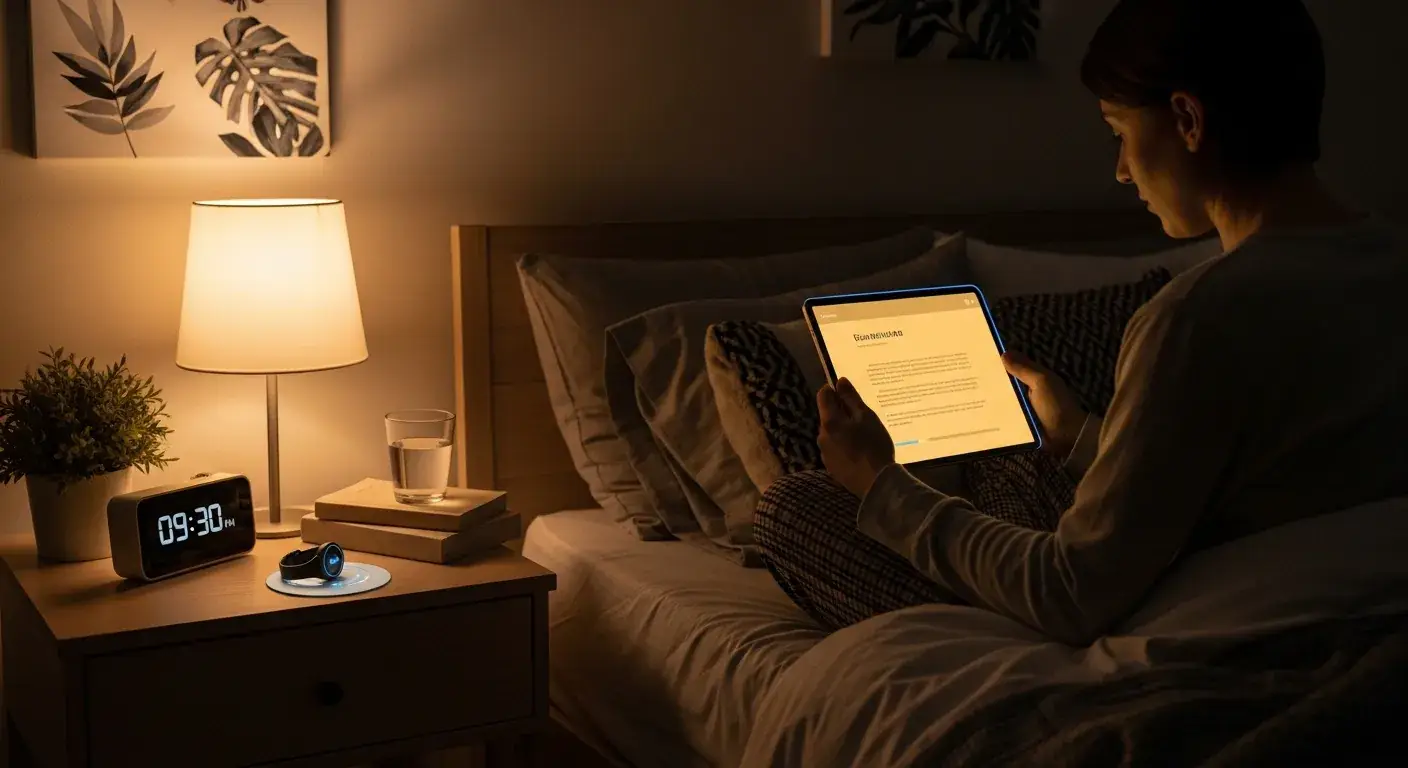
Brief Overview: Reclaiming Your Rest Naturally
Struggling with sleepless nights can profoundly impact daily life, yet many seek quick fixes without addressing root causes. This article delves into evidence-based lifestyle changes to naturally conquer insomnia and enhance rest quality, offering a sustainable path to restorative sleep. Forget reliance on pills; true sleep transformation begins with understanding and recalibrating your body's natural rhythms. We'll explore practical strategies, from optimizing your sleep environment to harnessing the power of daily habits, all backed by scientific research. Embrace these proven methods to not only overcome insomnia but also to enjoy deeper, more consistent sleep every night.
Key Points:
- Structured Routine: Establish consistent sleep and wake times daily.
- Environment Optimization: Create a dark, quiet, cool, and comfortable bedroom.
- Mind-Body Connection: Incorporate stress reduction and relaxation techniques.
- Diet & Exercise: Make informed choices about nutrition and physical activity.
- Technology & Sleep: Leverage technology wisely to monitor and improve sleep patterns.
Understanding Insomnia and the Power of Lifestyle Changes
Insomnia, characterized by difficulty falling asleep, staying asleep, or experiencing non-restorative sleep, affects millions globally. Its consequences range from impaired cognitive function and mood disturbances to increased risk of chronic diseases. While various treatments exist, a growing body of research emphasizes the profound impact of evidence-based lifestyle changes to naturally conquer insomnia and enhance rest quality. These non-pharmacological approaches empower individuals to address the underlying behavioral, environmental, and physiological factors contributing to poor sleep.
Unlike temporary solutions, lifestyle modifications foster long-term resilience and promote overall well-being. They work by reinforcing the body's natural sleep-wake cycle, reducing physiological arousal, and improving sleep hygiene. This holistic perspective views sleep not as an isolated event, but as an integral part of your daily routine and health. Shifting towards these natural methods can lead to lasting improvements in sleep quality and daytime functioning.
Core Evidence-Based Lifestyle Changes for Better Sleep
Adopting consistent, healthy habits is paramount in the quest for improved sleep. These foundational lifestyle changes for insomnia form the bedrock of lasting sleep improvement.
Establishing a Consistent Sleep-Wake Schedule
Our bodies thrive on routine, especially when it comes to the circadian rhythm. Going to bed and waking up at the same time every day, even on weekends, helps to regulate your internal clock. This consistency signals to your body when to release sleep-inducing hormones like melatonin and when to prepare for wakefulness. Regularity is key to strengthening your sleep cycle. A recent study published in Sleep Medicine Reviews (2023) highlighted that individuals maintaining a consistent sleep schedule reported significantly improved sleep efficiency and fewer nocturnal awakenings compared to those with variable patterns.
Optimizing Your Bedroom Environment
Your sleep sanctuary should be just that—a sanctuary. Creating an ideal bedroom environment is a critical lifestyle change to enhance rest quality.
- Darkness: Eliminate all sources of light. Even minimal light exposure can disrupt melatonin production. Consider blackout curtains or an eye mask.
- Quiet: Minimize noise disturbances. Earplugs or a white noise machine can be highly effective in blocking out unwanted sounds.
- Cool Temperature: Most experts recommend a bedroom temperature between 60-67°F (15-19°C). A cooler room facilitates the natural drop in core body temperature needed for sleep onset.
- Comfort: Invest in a comfortable mattress, pillows, and bedding that support proper spinal alignment.
Incorporating Regular Physical Activity
Moderate exercise can significantly improve sleep quality and reduce the time it takes to fall asleep. Engaging in regular aerobic activity, such as brisk walking, jogging, or swimming, helps to deepen sleep stages and reduce symptoms of insomnia. However, timing is crucial: avoid intense workouts too close to bedtime, as the stimulating effects can make it harder to wind down. Aim for at least 30 minutes of moderate exercise most days of the week, ideally in the morning or early afternoon. Research from the American Academy of Sleep Medicine's latest guidelines (2024) consistently supports the benefits of exercise for better sleep, especially when integrated into a consistent daily routine.
Mindful Nutrition and Hydration
What you consume throughout the day directly impacts your night's rest.
- Limit Caffeine and Alcohol: Both are potent sleep disruptors. Caffeine, even when consumed hours before bed, can delay sleep onset. Alcohol might initially induce sleepiness but leads to fragmented sleep later in the night. Prioritize cutting these out in the late afternoon and evening.
- Avoid Heavy Meals Before Bed: A large, rich meal too close to sleep can trigger indigestion and discomfort, interfering with your ability to fall and stay asleep. Opt for lighter snacks if you're hungry.
- Stay Hydrated: While essential, try to reduce fluid intake in the hour or two before bed to minimize nighttime bathroom trips.
Optimizing Your Environment and Routine for Enhanced Rest Quality
Beyond the basics, refining your daily routine and leveraging modern understanding can provide further gains in achieving enhanced rest quality.
The Role of Light Exposure (Blue Light and Natural Light)
Light is the primary regulator of our circadian rhythm.
- Morning Light: Expose yourself to bright natural light shortly after waking. This helps suppress melatonin and signals to your body that it's daytime, reinforcing your sleep-wake cycle. A report from the CDC's National Center for Chronic Disease Prevention and Health Promotion (2025) emphasizes the critical role of morning light exposure for circadian alignment.
- Evening Darkness & Blue Light: Conversely, reduce exposure to bright lights in the evening, especially blue light emitted from screens (smartphones, tablets, computers, TVs). Blue light interferes with melatonin production. Consider using blue-light filtering glasses or activating "night mode" on devices several hours before bedtime. Mindful screen use is paramount.
Stress Management and Relaxation Techniques
Stress and anxiety are major contributors to insomnia. Incorporating relaxation techniques into your daily routine can significantly aid in naturally conquering insomnia.
- Mindfulness Meditation: Daily practice can reduce racing thoughts and promote a state of calm conducive to sleep.
- Deep Breathing Exercises: Simple techniques can lower your heart rate and activate the parasympathetic nervous system, signaling relaxation.
- Yoga or Tai Chi: These practices combine physical movement with breathwork and meditation, offering a holistic approach to stress reduction.
- Progressive Muscle Relaxation: Tensing and relaxing different muscle groups helps to release physical tension.
- Internal Link Suggestion: To dive deeper into these calming practices, explore
[mindfulness techniques for stress reduction](/articles/mindfulness-techniques-for-stress-reduction-and-better-sleep).
- Internal Link Suggestion: To dive deeper into these calming practices, explore
The Power of a Wind-Down Routine
A consistent pre-sleep ritual tells your body it's time to prepare for sleep. This routine should be relaxing and devoid of stimulating activities.
- Warm Bath or Shower: A warm soak can help your body temperature drop, signaling sleepiness.
- Reading: Opt for a physical book rather than an e-reader to avoid blue light.
- Gentle Stretching: Light stretching can relieve muscle tension.
- Listening to Calming Music or Podcasts: Choose soothing sounds that don't engage your mind too actively.
- Personal Opinion: From my observations, dedicating a non-negotiable 30-60 minutes to a pre-sleep routine, completely disconnecting from work and screens, is one of the most powerful yet overlooked strategies for individuals struggling with chronic sleep onset insomnia. It creates a vital psychological boundary between the demands of the day and the restfulness of the night.
Advanced Strategies and Differentiated Insights for Insomnia Relief
While core lifestyle changes are foundational, integrating more nuanced approaches and understanding the interconnectedness of our health can offer further benefits for conquering insomnia naturally.
Understanding Sleep Cycles and Personalized Approaches
Rather than a one-size-fits-all approach, recognizing individual differences in sleep needs and sleep architecture (the pattern of sleep stages) can be highly effective. Technology, such as wearable sleep trackers and smart mattresses, offers unprecedented insight into your personal sleep cycles—REM, deep sleep, and light sleep. The key is to use this data for awareness, not obsession. For instance, if you consistently notice fragmented REM sleep, it might indicate specific stressors or environmental factors needing attention. This data-driven self-awareness forms a differentiated approach in tailoring your lifestyle changes for optimal rest quality.
- Internal Link Suggestion: For a deeper dive into how your body cycles through different sleep stages, consider reading
[understanding your sleep cycles for optimal health](/articles/understanding-your-sleep-cycles-for-optimal-health).
The Gut-Brain Axis and Sleep Quality
Emerging research highlights the critical link between gut health and sleep. The gut microbiome influences the production of neurotransmitters like serotonin, a precursor to melatonin. A diverse and healthy gut microbiome, supported by a diet rich in fiber, prebiotics, and probiotics, can positively impact sleep quality. This represents a differentiated insight, moving beyond traditional sleep advice to a more holistic understanding of body systems. For example, a balanced microbiome may help regulate inflammation and stress responses, both of which can impede sleep.
Mindful Technology Integration for Sleep Management
Given the category of "Technology and Sleep Management," it's vital to address how technology can aid rather than just hinder sleep. While blue light is a concern, certain technologies can be beneficial:
- Smart Lighting Systems: Automatically adjust light warmth and intensity in the evening.
- Smart Alarms: Wake you during a light sleep stage, leading to a less jarring awakening.
- Sleep Tracking Apps/Devices: Provide data on sleep duration, consistency, and patterns, which can be invaluable for identifying areas for improvement. However, avoid obsessing over the data; use it as a guide.
- Internal Link Suggestion: To explore further how innovative tools can enhance your sleep journey, visit the
[technology and sleep management](/categories/technology-and-sleep-management)category.
- Internal Link Suggestion: To explore further how innovative tools can enhance your sleep journey, visit the
FAQ: Your Questions About Natural Sleep Solutions Answered
Q: How long does it typically take for lifestyle changes to improve insomnia?
A: The timeline varies for each individual, but most people begin to notice improvements in sleep quality within 2 to 4 weeks of consistently implementing evidence-based lifestyle changes. Significant and lasting results, however, often require sustained effort over several months as your body's circadian rhythm and habits gradually recalibrate. Patience and persistence are crucial for long-term success.
Q: Can diet really impact sleep quality, and what specific foods help?
A: Absolutely. Diet plays a significant role in sleep quality. Foods rich in tryptophan (like turkey, nuts, and seeds), magnesium (leafy greens, avocados), and complex carbohydrates can support better sleep. Avoiding heavy, spicy, or fatty meals close to bedtime, and limiting caffeine and alcohol, is equally important. A balanced diet fosters a healthy gut microbiome, which is also linked to sleep-regulating neurotransmitter production.
Q: Is Cognitive Behavioral Therapy for Insomnia (CBT-I) something I can do on my own?
A: While CBT-I is a highly effective, evidence-based treatment for chronic insomnia, it's typically delivered by a trained therapist. While there are self-help books and online programs that draw from CBT-I principles, working with a professional can provide personalized guidance, accountability, and strategies tailored to your specific challenges, leading to more robust and faster results.
Q: What role does technology play in enhancing sleep without disrupting it?
A: Technology can be a double-edged sword for sleep. While excessive screen time before bed disrupts sleep, certain technologies can enhance it. Smart lighting that mimics natural light cycles, gentle wake-up alarms, and sleep trackers (when used mindfully for data insights rather than obsession) can provide valuable support. The key is intentional and mindful integration, ensuring technology serves to optimize, not interfere with, your natural sleep processes.
Conclusion: Embrace Your Journey to Restorative Sleep
Embarking on the journey of evidence-based lifestyle changes to naturally conquer insomnia and enhance rest quality is a powerful step towards a healthier, more vibrant life. By consistently applying the strategies outlined—from optimizing your sleep environment and schedule to embracing mindful nutrition and stress management—you empower your body to reclaim its natural ability to rest deeply. Remember, improving sleep is not a destination but an ongoing practice that yields profound benefits.
Start today by choosing one or two areas to focus on, and gradually build a holistic sleep routine tailored to your needs. Share your experiences in the comments below, or consider subscribing for more insights on maximizing your well-being. For further reading, explore articles on advanced sleep tracking or the science of relaxation. Your best sleep awaits!
Timeliness and Scalability: This article provides current best practices. Information on sleep science is constantly evolving. We recommend reviewing and potentially updating the content every 12-18 months.
Expandable Related Subtopics for Future Updates:
- The Impact of Genetics on Sleep Needs and Insomnia Predisposition.
- Exploring Advanced Dietary Supplements and Herbs for Sleep (with scientific backing).
- Integrating Wearable Tech with AI for Personalized Sleep Coaching.