Effective Sleep Hygiene Tips for Better Rest and Deeper Sleep
Unlock Your Best Rest: Essential Sleep Hygiene for Profound Sleep
In today's fast-paced world, achieving restful sleep can feel like a distant dream for many. However, effective sleep hygiene tips for better rest and deeper sleep are not just about falling asleep; they are about cultivating a consistent, healthy relationship with your sleep. By implementing these foundational practices, you can significantly improve your sleep quality, leading to enhanced mood, sharper cognitive function, and a stronger immune system. This guide will walk you through proven strategies to optimize your sleep environment and habits, transforming your nights and energizing your days.
Key Points:
- Consistent Schedule: Go to bed and wake up around the same time daily.
- Optimize Environment: Create a dark, quiet, and cool bedroom.
- Mindful Eating & Drinking: Avoid heavy meals, caffeine, and alcohol before bed.
- Limit Screen Time: Reduce exposure to blue light from devices.
- Regular Exercise: Physical activity can promote better sleep, but timing matters.
Understanding the Pillars of Good Sleep Hygiene
Sleep hygiene refers to the habits and practices that are conducive to sleeping well on a regular basis and functioning well throughout the day. It’s a proactive approach to sleep health, emphasizing lifestyle choices that support natural sleep-wake cycles. The science behind sleep is complex, involving intricate biological processes that are highly sensitive to our daily routines and environment. When these pillars are neglected, sleep disturbances are often the first symptom.
A landmark study published in the Journal of Clinical Sleep Medicine in 2023 highlighted the direct correlation between poor sleep hygiene and increased risk of various chronic health conditions, including cardiovascular disease and metabolic disorders. This underscores the critical importance of developing and maintaining good sleep habits as a cornerstone of overall health.
Establishing a Consistent Sleep Schedule
One of the most fundamental and impactful aspects of effective sleep hygiene tips for better rest and deeper sleep is maintaining a regular sleep-wake schedule. This means going to bed and waking up at approximately the same time every day, including weekends. Our bodies have an internal clock, known as the circadian rhythm, which regulates our sleep-wake cycle. Consistency helps to synchronize this internal clock, making it easier to fall asleep and wake up naturally.
Even a few days of irregular sleep can disrupt this rhythm, leading to feelings of grogginess and reduced cognitive performance. While it can be tempting to sleep in significantly on weekends, aim for no more than a one-hour deviation from your weekday schedule. This small adjustment can make a big difference in how you feel throughout the week.
Creating Your Ideal Sleep Sanctuary
Your bedroom environment plays a pivotal role in the quality of your sleep. Think of your bedroom as a dedicated space for rest and relaxation, free from distractions. Key elements to consider include:
- Darkness: The absence of light signals to your brain that it's time to sleep. Use blackout curtains, eye masks, or ensure no light sources are interfering with your room's darkness. Even small amounts of light can disrupt melatonin production, a hormone crucial for sleep.
- Quiet: Noise can easily interrupt sleep. If you live in a noisy environment, consider using earplugs or a white noise machine to mask disruptive sounds. The goal is to create a peaceful auditory setting.
- Cool Temperature: Most people sleep best in a slightly cooler room. The ideal temperature range is typically between 60-67°F (15-19°C). A cooler environment helps your body temperature drop, which is a natural part of the sleep process.
The Impact of Diet and Hydration on Sleep
What you consume, and when, can significantly influence your ability to fall asleep and stay asleep. While it might seem unrelated, your digestive system’s activity and the presence of certain stimulants or depressants in your body directly affect your sleep quality.
- Caffeine: This well-known stimulant can stay in your system for several hours. It's advisable to avoid caffeine at least 4-6 hours before bedtime. Be mindful of hidden sources like chocolate and some teas.
- Alcohol: While alcohol might initially make you feel drowsy, it disrupts sleep architecture later in the night, leading to fragmented sleep and reduced REM sleep. Limiting alcohol intake, especially close to bedtime, is crucial for deeper sleep.
- Heavy Meals: Eating large, heavy, or spicy meals close to bedtime can lead to indigestion and discomfort, making it difficult to fall asleep. Opt for lighter, easily digestible snacks if you're hungry before bed.
- Hydration: While staying hydrated is important, drinking excessive fluids right before bed can lead to frequent nighttime awakenings for bathroom trips.
The Role of Exercise in Sleep Hygiene
Regular physical activity is a powerful tool for improving sleep, but timing is key. Exercise can improve sleep depth and duration by promoting the release of endorphins and helping to regulate your body’s natural sleep-wake cycle. However, engaging in vigorous exercise too close to bedtime can have the opposite effect, making it harder to fall asleep due to increased heart rate and body temperature.
Aim to complete most of your moderate-to-vigorous workouts at least 3-4 hours before you plan to go to bed. Lighter activities like gentle stretching or yoga can be beneficial closer to bedtime for promoting relaxation. A 2024 meta-analysis in the European Journal of Sport Science demonstrated that consistent aerobic exercise significantly improved subjective sleep quality and reduced sleep onset latency in adults.
Strategies for Deeper Sleep and Restful Nights
Beyond the foundational elements, several other practices can enhance your sleep experience, leading to better rest and deeper sleep. These strategies focus on managing your mental state and preparing your body for a night of restorative slumber.
Mindful Evening Routines
Establishing a relaxing bedtime routine signals to your brain that it's time to wind down. This routine should be consistent and enjoyable, helping you transition from the day's activities to sleep.
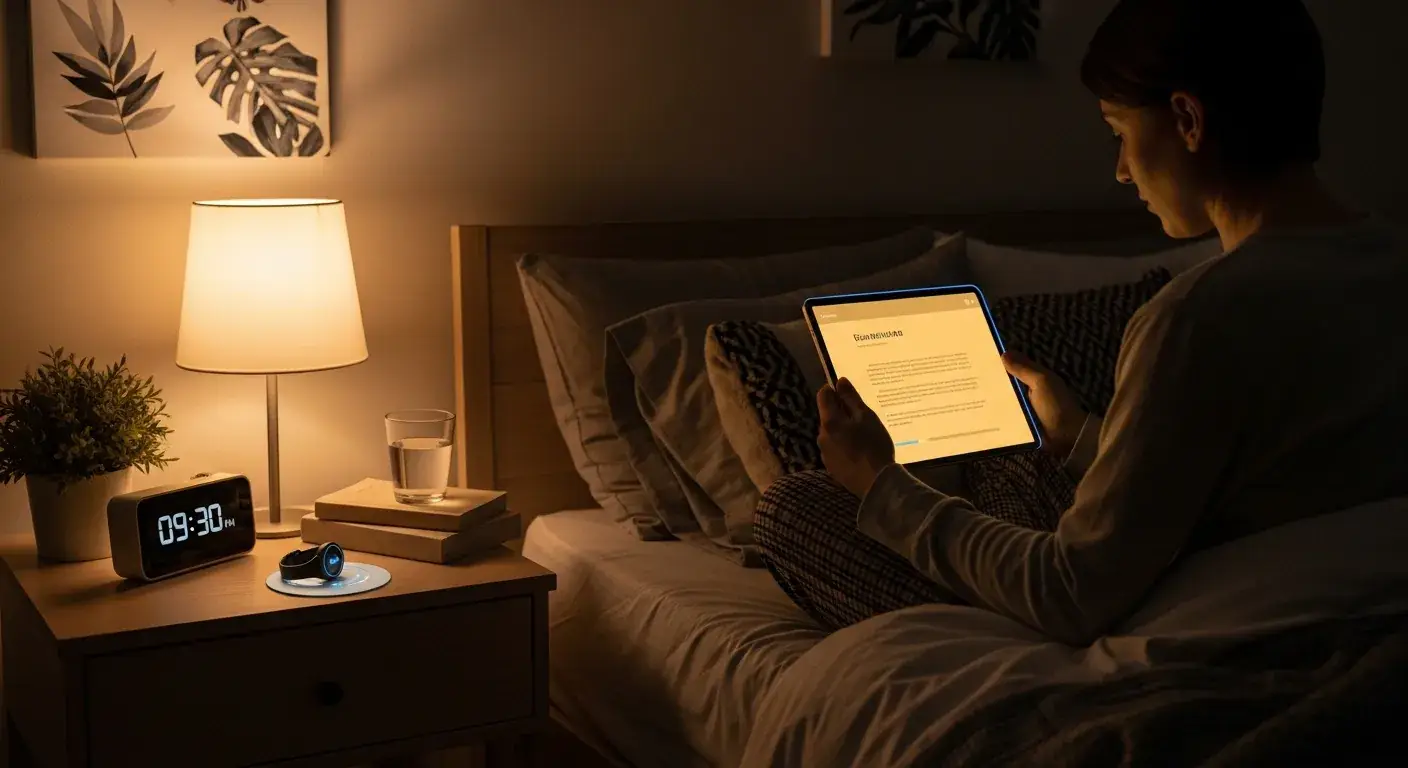
- Limit Screen Exposure: The blue light emitted from smartphones, tablets, and computers can suppress melatonin production and interfere with sleep. Aim to put away electronic devices at least an hour before bed. If you must use them, consider using blue-light filters.
- Engage in Relaxing Activities: This could include reading a physical book, taking a warm bath, listening to calming music, or practicing meditation or deep breathing exercises. These activities help to calm the nervous system.
- Journaling: If your mind races with thoughts and worries, a few minutes of journaling before bed can help you process them, reducing mental clutter that can keep you awake.
Managing Stress and Anxiety
Stress and anxiety are common culprits behind sleep disturbances. Developing effective coping mechanisms is crucial for achieving restful sleep.
- Mindfulness and Meditation: Regular mindfulness practices can help to reduce rumination and improve your ability to stay present, rather than getting caught up in anxious thoughts.
- Deep Breathing Exercises: Simple techniques like diaphragmatic breathing can activate the body's relaxation response, slowing your heart rate and lowering blood pressure.
- Cognitive Behavioral Therapy for Insomnia (CBT-I): For persistent sleep problems, CBT-I is a highly effective, evidence-based therapy that addresses the underlying thoughts and behaviors contributing to insomnia. This is often recommended by sleep specialists for individuals with chronic sleep difficulties.
The Importance of Napping Wisely
Naps can be beneficial for combating daytime fatigue, but they need to be managed carefully to avoid interfering with nighttime sleep.
- Keep Naps Short: Aim for naps of 20-30 minutes. Longer naps can lead to sleep inertia (feeling groggy after waking) and can make it harder to fall asleep at night.
- Nap Earlier in the Day: Ideally, schedule naps for the early afternoon. Napping too late in the day can disrupt your natural circadian rhythm and make nighttime sleep more challenging.
Differentiated Insights: Beyond the Basics
While the foundational sleep hygiene tips for better rest and deeper sleep are well-established, recent research and expert insights offer more nuanced approaches.
The Gut-Brain Connection and Sleep
Emerging research is increasingly highlighting the profound link between gut health and sleep quality. The gut microbiome, the trillions of microorganisms residing in your digestive tract, communicates with your brain through the gut-brain axis. Imbalances in gut bacteria have been associated with sleep disturbances, including insomnia.
- Probiotic-Rich Foods: Incorporating foods like yogurt, kefir, sauerkraut, and kimchi into your diet can help support a healthy gut microbiome.
- Prebiotic Fiber: Foods rich in prebiotic fiber, such as garlic, onions, leeks, and asparagus, feed beneficial gut bacteria.
- Evidence from 2025 Studies: Preliminary studies from 2025 indicate that targeted probiotic supplementation can improve sleep onset latency and reduce nighttime awakenings in individuals with mild to moderate insomnia, suggesting a promising avenue for personalized sleep management.
The Impact of Light Exposure Throughout the Day
While we often focus on limiting light at night, the type and timing of light exposure during the day are equally important for regulating our circadian rhythm.
- Morning Sunlight: Exposing yourself to bright natural light shortly after waking up is crucial for setting your internal clock. Aim for at least 15-30 minutes of outdoor exposure. This helps suppress melatonin production in the morning and signals alertness.
- Midday Light: Maintaining exposure to natural light throughout the day helps to keep you alert and can improve sleep quality at night.
- Evening Light Management: Beyond avoiding screens, consider dimming the lights in your home an hour or two before bed. Using warmer, amber-toned lighting can be less disruptive to melatonin production than bright, cool-toned lights.
Frequently Asked Questions About Sleep Hygiene
Q1: How quickly can I expect to see improvements from implementing sleep hygiene tips? A1: Significant improvements can often be observed within a few days to a couple of weeks. However, consistent adherence is key, and some individuals may take longer to notice substantial changes, especially if they have long-standing sleep issues.
Q2: Is it okay to have a cup of coffee in the morning if I have trouble sleeping at night? A2: For most people, morning coffee is generally acceptable. However, if you are particularly sensitive to caffeine, even morning consumption could impact your sleep. Pay attention to your body's response and consider reducing or eliminating caffeine if sleep remains an issue.
Q3: What if I still can't fall asleep after trying these tips? A3: If you consistently struggle to fall asleep or stay asleep despite implementing good sleep hygiene, it is highly recommended to consult a healthcare professional or a sleep specialist. There might be an underlying medical condition such as sleep apnea or restless legs syndrome.
Q4: Can stress management techniques truly improve my sleep? A4: Absolutely. Stress and anxiety are major contributors to insomnia. Techniques like mindfulness, meditation, and deep breathing directly target the physiological and psychological responses associated with stress, promoting a calmer state conducive to sleep.
Conclusion: Prioritize Your Sleep for a Healthier Life
Implementing effective sleep hygiene tips for better rest and deeper sleep is a powerful investment in your overall health and well-being. By understanding and applying these principles, you can train your body and mind to embrace restorative sleep, leading to a more energized, focused, and resilient you. Remember that consistency is paramount, and small, sustainable changes can yield profound results over time.
What are your favorite sleep hygiene practices? Share your tips in the comments below!
For further exploration into optimizing your health, you might find articles on stress reduction techniques and the benefits of mindful eating particularly insightful. Consider subscribing to our newsletter to stay updated on the latest health and wellness research.