Creating the Perfect Sleep Environment: Tips for a Restful Bedroom
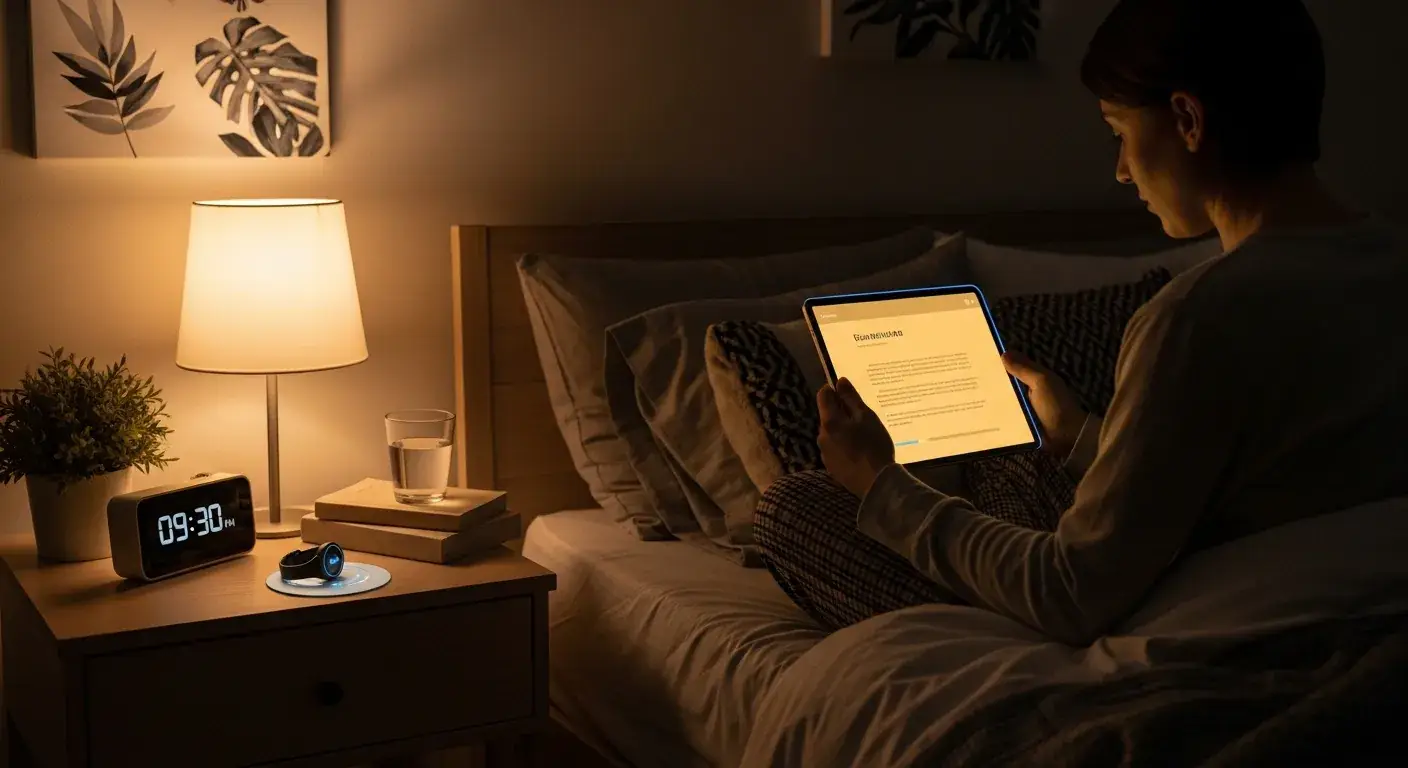
Getting a good night's sleep is foundational to overall health and well-being. Many of us struggle with sleep, and often, the solution lies not in complex remedies, but in optimizing our immediate surroundings. Your bedroom should be a sanctuary, a dedicated space designed to promote relaxation and deep, restorative sleep. By focusing on creating the perfect sleep environment, you can significantly improve your sleep quality and, consequently, your daytime energy, mood, and cognitive function. This guide will walk you through the essential elements to transform your bedroom into a haven for restful nights.
Key Points:
- Darkness is Crucial: Minimize light pollution for optimal melatonin production.
- Temperature Matters: A cool room enhances sleep onset and duration.
- Minimize Noise: Create a quiet, peaceful atmosphere.
- Comfort is King: Invest in a supportive mattress and breathable bedding.
- Declutter Your Space: A tidy room leads to a tidier mind.
The Foundation of Restful Sleep: Optimizing Your Bedroom
We spend roughly a third of our lives asleep, making the quality of that sleep paramount. The bedroom environment plays a critical role in our ability to fall asleep, stay asleep, and wake up feeling refreshed. Think of your bedroom as a finely tuned instrument; every component, from the lighting to the mattress, contributes to the symphony of sleep. Creating the perfect sleep environment involves a holistic approach, addressing sensory inputs and physical comfort.
The Power of Darkness: Banishing Light for Better Sleep
Light is one of the most significant disruptors of our natural sleep-wake cycle, known as the circadian rhythm. Exposure to light, especially blue light emitted from electronic devices, signals to our brain that it's time to be awake. To cultivate the ideal sleep sanctuary, darkness is paramount.
Controlling Ambient Light
- Blackout Curtains: These are your best friends in the fight against external light. Streetlights, car headlights, and early morning sun can all interfere with sleep. Blackout curtains effectively block these out, creating a truly dark room.
- Cover Electronic Lights: Even small indicator lights on electronics like chargers, TVs, or Wi-Fi routers can be surprisingly disruptive. Use electrical tape or small covers to obscure them.
- Minimize Nightlights: If a nightlight is essential, opt for a dim, warm-toned light placed low to the ground. Avoid bright, cool-toned lights.
The Melatonin Connection
When your environment is dark, your body produces melatonin, a hormone that signals it's time to sleep. Studies, such as those published in the Journal of Clinical Sleep Medicine (2024), highlight the direct correlation between darkness and increased melatonin levels, leading to improved sleep onset and duration. By diligently reducing light exposure in your bedroom, you are actively supporting your body's natural sleep mechanisms.
The Optimal Temperature for Deep Sleep
Temperature is another highly influential factor in sleep quality. While personal preferences vary, research consistently points to a slightly cooler room being more conducive to sleep.
Finding Your Sleep Sweet Spot
- The Ideal Range: Most sleep experts recommend a bedroom temperature between 60-67 degrees Fahrenheit (15-19 degrees Celsius). This cooler temperature helps your body's core temperature drop, a natural process that signals the onset of sleep.
- Why Cool is Key: A warmer room can lead to restlessness, frequent awakenings, and reduced deep sleep. Conversely, a room that's too cold can also be uncomfortable and disruptive.
- Thermostat Control: Investing in a programmable thermostat allows you to set your bedroom to the ideal sleep temperature before bedtime and maintain it throughout the night.
Differentiated Value: Beyond the Thermostat
While the 60-67°F range is a widely accepted guideline, consider personalized strategies. Some individuals might find they sleep better slightly warmer or cooler. Experimentation is key. Additionally, the quality of your bedding plays a role in temperature regulation. Breathable fabrics like cotton, linen, or bamboo can help wick away moisture and keep you comfortable, regardless of the ambient temperature. Consider moisture-wicking pajamas as well. A report from the National Sleep Foundation (2025) emphasized the importance of bedding material in moderating sleep temperature.
Cultivating a Quiet Sanctuary: Minimizing Noise Disturbance
Noise pollution is a common culprit behind interrupted sleep. Even sounds that don't fully wake you can disrupt the deeper, more restorative stages of sleep. Creating a quiet environment is therefore essential for crafting the perfect sleep environment.
Strategies for a Silent Bedroom
- Soundproofing Measures: If external noise is a persistent issue, consider simple soundproofing solutions. Heavy curtains, upholstered furniture, and rugs can all help absorb sound. Weatherstripping around doors and windows can also seal out noise.
- White Noise Machines: For some, complete silence can be unsettling. A white noise machine, fan, or even a nature sounds app can create a consistent, unobtrusive background sound that masks disruptive noises. The key is to find a sound that is calming and predictable.
- Earplugs: High-quality earplugs can be an effective solution for blocking out intermittent or loud noises. Experiment with different types to find ones that are comfortable for prolonged wear.
The Psychological Impact of Noise
Beyond the physical disruption, constant noise can create a subconscious state of alertness, making it harder to relax and drift off. A quiet bedroom signals safety and tranquility to your brain, promoting a state of relaxation that is conducive to sleep. This psychological shift is as important as the physical muffling of sound.
The Comfort Factor: Mattress, Pillows, and Bedding
Your bed is the centerpiece of your sleep environment. Its comfort and support are non-negotiable for achieving truly restful sleep.
Investing in Your Sleep System
- The Mattress: This is arguably the most significant investment for your sleep. A mattress that is too soft won't offer adequate support, while one that's too firm can create pressure points. Look for a mattress that aligns with your sleeping position and personal comfort preferences. Consider its age; most mattresses have a lifespan of 7-10 years.
- Pillows for Support: Your pillow should keep your head and neck in a neutral alignment with your spine. Side sleepers typically need firmer, thicker pillows, while back sleepers might prefer medium loft. Stomach sleepers often benefit from very soft, thin pillows.
- Breathable Bedding: As mentioned in the temperature section, the fabric of your sheets and duvet covers matters. Opt for natural, breathable materials like 100% cotton, linen, or bamboo. These fabrics allow for better air circulation and moisture wicking, keeping you comfortable throughout the night.
Differentiated Value: The Sleep Surface Ecosystem
Think of your mattress, pillows, and bedding as an interconnected sleep surface ecosystem. A worn-out mattress can negate the benefits of a great pillow, and vice-versa. A 2023 study in Sleep Science indicated that the combination of supportive bedding and appropriate mattress firmness significantly improved sleep efficiency and reduced reported sleep disturbances. Regularly assessing and updating these components ensures you're maintaining an optimal sleep surface.
Declutter Your Mind, Declutter Your Bedroom
The visual environment of your bedroom has a direct impact on your mental state. A cluttered and disorganized room can contribute to feelings of stress and anxiety, making it harder to wind down.
Creating a Serene Space
- Minimalism is Key: Aim for a minimalist aesthetic in your bedroom. Remove unnecessary items and only keep what serves a purpose or brings you joy.
- Organized Storage: Utilize smart storage solutions to keep your belongings tidy and out of sight. Nightstands with drawers, under-bed storage, and closet organizers can make a big difference.
- Peaceful Decor: Choose calming colors and decor. Avoid overwhelming patterns or bright, stimulating artwork. Think soft hues, natural textures, and items that promote a sense of tranquility.
The "Bedroom is for Sleep" Rule
A powerful strategy is to designate your bedroom exclusively for sleep and intimacy. This means avoiding work, stressful conversations, or excessive screen time in bed. By reinforcing this association, your brain will begin to link the bedroom with rest and relaxation, making it easier to fall asleep when you retire for the night. This is a principle discussed in several leading behavioral sleep therapy programs.
Bringing It All Together: Creating Your Personal Sleep Haven
Creating the perfect sleep environment is an ongoing process, not a one-time fix. It involves paying attention to the details and making conscious choices that prioritize your rest.
Actionable Steps:
- Assess Your Current Environment: Walk through your bedroom with a critical eye. What are the biggest culprits for poor sleep? Is it light, noise, temperature, or clutter?
- Prioritize Your Investments: Focus on the elements that will have the biggest impact. A good mattress and effective blackout curtains are often excellent starting points.
- Establish a Routine: Implement sleep hygiene practices consistently, such as a relaxing pre-sleep ritual.
- Regular Review: Periodically re-evaluate your sleep environment. As seasons change or your needs evolve, you may need to make adjustments.
Latest Trends in Sleep Environments
Recent trends in sleep science are exploring the integration of smart technology for sleep optimization. This includes smart mattresses that monitor sleep patterns and adjust temperature, ambient lighting systems that mimic natural dawn and dusk, and advanced air purifiers that also offer white noise functions. While these can be beneficial, the foundational principles of darkness, quiet, and comfort remain the most accessible and impactful for creating a perfect sleep environment.
Frequently Asked Questions (FAQ)
Q1: How much darkness is truly necessary for good sleep? A1: Aim for near-total darkness. Even small amounts of light can interfere with melatonin production. Use blackout curtains, cover electronic lights, and consider a sleep mask if complete darkness is challenging to achieve.
Q2: What is the best bedding material for sleep? A2: Natural, breathable materials like 100% cotton, linen, or bamboo are excellent. They promote airflow and wick away moisture, helping regulate your body temperature for optimal comfort throughout the night.
Q3: Can a slightly noisy room be good for sleep? A3: For some, a consistent, low-level sound like a fan or white noise machine can be beneficial by masking sudden, disruptive noises. However, unpredictable or loud noises are generally detrimental to sleep quality.
Q4: How often should I replace my mattress and pillows? A4: Mattresses typically last 7-10 years depending on quality and usage. Pillows should be replaced every 1-2 years, or sooner if they lose their shape or support, as they can accumulate allergens.
Conclusion: Invest in Your Sleep for a Better Life
Creating the perfect sleep environment is an investment in your health, happiness, and productivity. By thoughtfully optimizing your bedroom for darkness, temperature, quiet, and comfort, you are taking a powerful step towards achieving the deep, restorative sleep you deserve. Remember, a restful bedroom is a cornerstone of a healthy lifestyle, enabling you to face each day with more energy and clarity.
What are your biggest challenges in creating a restful bedroom environment? Share your tips and experiences in the comments below!
For further insights into improving sleep quality, consider exploring articles on sleep hygiene practices and the impact of diet on sleep.