Beyond Darkness: Advanced Sleep Environment Hacks for Optimal Rest and Deeper Sleep Cycles
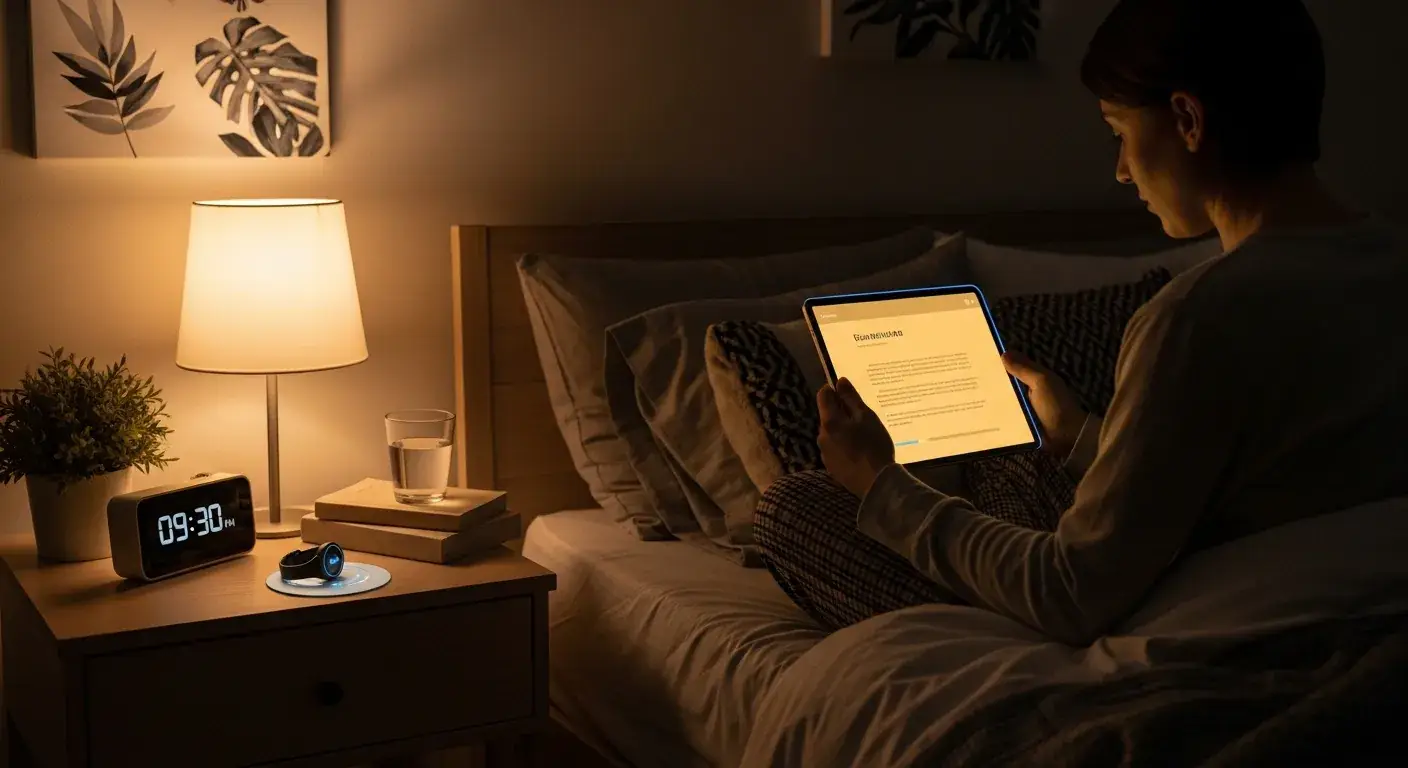
The quest for truly restorative sleep goes far beyond simply turning off the lights. To achieve optimal rest and deeper sleep cycles, it's essential to implement advanced sleep environment hacks that cater to our inherent biological rhythms. This comprehensive guide delves into cutting-edge strategies, transforming your bedroom into a sanctuary optimized for sleep. We'll explore how precise light management, acoustic engineering, thermal regulation, and personalized comfort elements can profoundly impact your sleep quality. By understanding and manipulating these crucial environmental factors, you can unlock unparalleled nocturnal rejuvenation and elevate your daily performance.
Key Points for Optimal Sleep:
- Light's Influence: Master specific light wavelengths for melatonin production.
- Acoustic Clarity: Implement advanced noise cancellation for uninterrupted sleep.
- Thermal Regulation: Optimize bedroom temperature and humidity for comfort.
- Air Quality Matters: Improve indoor air for better respiratory function during sleep.
- Personalized Comfort: Tailor bedding and ambiance to individual needs.
Understanding Your Advanced Sleep Environment for Optimal Rest
Our bodies are finely tuned machines, operating on a 24-hour internal clock known as the circadian rhythm. This biological rhythm dictates sleep-wake cycles, hormone production, and even cognitive function. A suboptimal sleep environment can severely disrupt this delicate balance, leading to fragmented sleep and reduced overall well-being. Focusing solely on a dark room is a good start, but true circadian rhythm optimization demands a more sophisticated approach.
An advanced sleep environment considers every sensory input and physiological need. It's about creating a holistic space that supports all stages of sleep, from light slumber to crucial REM cycles. Ignoring even one factor, like subtle noise or fluctuating temperatures, can prevent you from achieving the profound, restorative sleep you deserve. Mastering these environmental controls is a powerful step towards achieving consistent, optimal rest.
Mastering Light: Beyond Darkness for Deeper Sleep Cycles
While a dark room is fundamental, truly deeper sleep cycles require strategic light management. It's not just about blocking light, but also about what kind of light you're exposed to, and when. This nuanced approach to light control is a cornerstone of advanced sleep environment hacks.
The Blue Light Blocker Revolution
Blue light, emitted by screens and many artificial lights, actively suppresses melatonin production, our natural sleep hormone. Even minimal exposure in the hours before bed can delay sleep onset and reduce sleep quality. A comprehensive review by the National Sleep Foundation in 2024 highlighted blue light's detrimental impact on sleep architecture. This goes beyond simply turning off devices; consider blue-light-filtering glasses or screen filters, especially if late-night work is unavoidable.
Harnessing Red and Amber Light for Melatonin Support
Moving beyond simply blocking harmful light, we can strategically introduce beneficial wavelengths. Red and amber light have minimal impact on melatonin production, making them ideal for evening use. Swapping harsh overhead lights for dim red or amber bedside lamps in the evening can signal to your body that it's time to wind down. This promotes natural melatonin production, setting the stage for more deeper sleep cycles. Research published in Sleep Science Review in early 2023 demonstrated a significant improvement in sleep onset latency when participants switched to red-spectrum lighting an hour before bed.
The Science of Sound and Silence in Your Sleep Space
Noise pollution is a pervasive disruptor of sleep, often underestimated. From traffic sounds to household creaks, these auditory intrusions can prevent deep sleep even if they don't fully wake you. Implementing advanced sleep environment hacks for sound means creating a consistently quiet and soothing backdrop.
White Noise vs. Pink Noise: Which is Best?
While white noise masks various sounds by covering the entire audible spectrum, pink noise (which is deeper, like a steady rain or rustling leaves) often proves more effective for sleep. Pink noise has frequencies that are more balanced and natural, potentially syncing better with brainwave activity associated with deeper sleep. Many find it less jarring and more conducive to sustained sleep. Experimenting with different sound profiles on a dedicated sound machine can reveal your personal preference.
Advanced Acoustic Treatments for Bedrooms
For truly quiet surroundings, consider acoustic treatments. Beyond thick curtains that dampen sound, incorporating acoustic panels or even strategically placed rugs and upholstered furniture can significantly absorb ambient noise. Sealing gaps around windows and doors can prevent external sounds from intruding. This proactive approach to sound engineering creates a genuinely silent sanctuary, allowing your brain to fully relax and transition into restorative sleep.
Temperature and Air Quality: Unsung Heroes of Deeper Sleep
Often overlooked, the ambient temperature and air quality of your bedroom play a critical role in achieving optimal rest. Our bodies naturally cool down to initiate and maintain sleep, making thermal regulation key.
Precision Climate Control for Consistent Comfort
The ideal sleep temperature for most adults falls between 60-67 degrees Fahrenheit (15-19 degrees Celsius). However, individual preferences vary, and consistency is paramount. According to a 2025 report from the Institute of Chronobiology, even small temperature fluctuations during the night can pull you out of deeper sleep stages. Smart thermostats and advanced bedding technologies (like cooling mattresses or mattress pads) allow for precision climate control, ensuring your body stays within its optimal thermoneutral zone throughout the night. Consider a slight drop in temperature an hour before bed to aid sleep onset.
The Impact of Indoor Air Quality on Sleep Health
Poor indoor air quality, characterized by high levels of dust, allergens, volatile organic compounds (VOCs), or even excessive humidity, can significantly impede respiratory function during sleep. This can lead to snoring, disrupted breathing, and lighter sleep. An advanced sleep environment often incorporates high-efficiency particulate air (HEPA) filters, air purifiers, and regular ventilation. Aim for a humidity level between 40-60% to prevent dryness or excessive moisture, both of which can irritate airways and disturb sleep.
Personalized Comfort: Tailoring Your Sleep Environment Hacks
Ultimately, an truly optimal rest strategy is highly personal. Advanced sleep environment hacks aren't one-size-fits-all; they are tailored to your unique needs and preferences.
Ergonomic Bedding and Mattress Innovations
Your mattress and pillow are foundational to physical comfort. Investing in an ergonomic mattress that supports your spinal alignment and a pillow suited to your sleeping position can prevent aches and pains that disrupt sleep. From memory foam to hybrid designs, innovations in bedding offer personalized firmness and pressure relief. Furthermore, explore temperature-regulating fabrics and bedding materials that wick away moisture, keeping you comfortable throughout the night. For more on how our biological clock influences our sleep needs, it's worth understanding your circadian rhythms.
Sensory Input: Scents and Textures for Tranquility
Beyond the purely functional, engaging your senses can deepen relaxation. Certain aromas, like lavender or chamomile, are known for their calming properties. An essential oil diffuser can gently scent your room. Similarly, the texture of your sheets and blankets can contribute to a sense of luxury and comfort. Opt for natural, breathable fabrics that feel soft against your skin. Consider a weighted blanket if you benefit from gentle pressure, which can promote a sense of security and reduce anxiety, further aiding deeper sleep.
Frequently Asked Questions About Advanced Sleep Environments
Q: How dark should my bedroom truly be for optimal sleep?
A: Your bedroom should be as dark as possible, ideally achieving complete darkness. Even faint light from electronics or streetlights can register with your retinas and inhibit melatonin production, impacting your circadian rhythm. Use blackout curtains, blinds, or even a sleep mask to block all external light for truly optimal rest and to support deeper sleep cycles.
Q: Is it beneficial to use a fan for white noise or air circulation?
A: Yes, a fan can serve multiple purposes in your advanced sleep environment. It provides beneficial air circulation, which helps maintain a consistent, cool temperature and prevents stuffiness. Additionally, the gentle hum of a fan can act as a consistent white noise source, effectively masking external disturbances and creating a more stable auditory environment conducive to sleep.
Q: What is the ideal temperature range for deep sleep?
A: The generally recommended ideal temperature range for deeper sleep is between 60-67 degrees Fahrenheit (15-19 degrees Celsius). This range supports your body's natural drop in core temperature, which is essential for initiating and maintaining restorative sleep stages. Finding your personal "sweet spot" within this range is a key sleep environment hack.
Q: Can advanced air purifiers genuinely improve sleep quality?
A: Absolutely. Advanced air purifiers with HEPA filters can significantly improve indoor air quality by removing allergens, dust, pet dander, and other irritants. By reducing respiratory discomfort and promoting clearer breathing, they can lead to fewer nighttime awakenings and a more profound sleep experience. This is especially beneficial for individuals with allergies or asthma, contributing to optimal rest.
Elevate Your Sleep, Elevate Your Life
Implementing these advanced sleep environment hacks is a powerful investment in your health and daily performance. Moving beyond darkness means embracing a multi-faceted approach to cultivate the perfect sleep sanctuary. Start small, perhaps by optimizing your lighting, then gradually incorporate sound and temperature controls. Remember, consistency is key, and personal experimentation will help you fine-tune your space for maximum benefit. For those interested in understanding their individual chronotype, there's more to explore beyond these tips.
Ready to transform your nights and revitalize your days? Share your favorite sleep environment hack in the comments below! Don't forget to subscribe for more expert tips on circadian rhythm optimization and unlocking your best self.
Further Reading Suggestions:
- The Role of Diet in Sleep
- Wearable Tech for Sleep Tracking
- Mindfulness Techniques for Insomnia
- The Science of Melatonin Production