Beyond Comfort: Advanced Strategies for an Optimal Sleep Environment
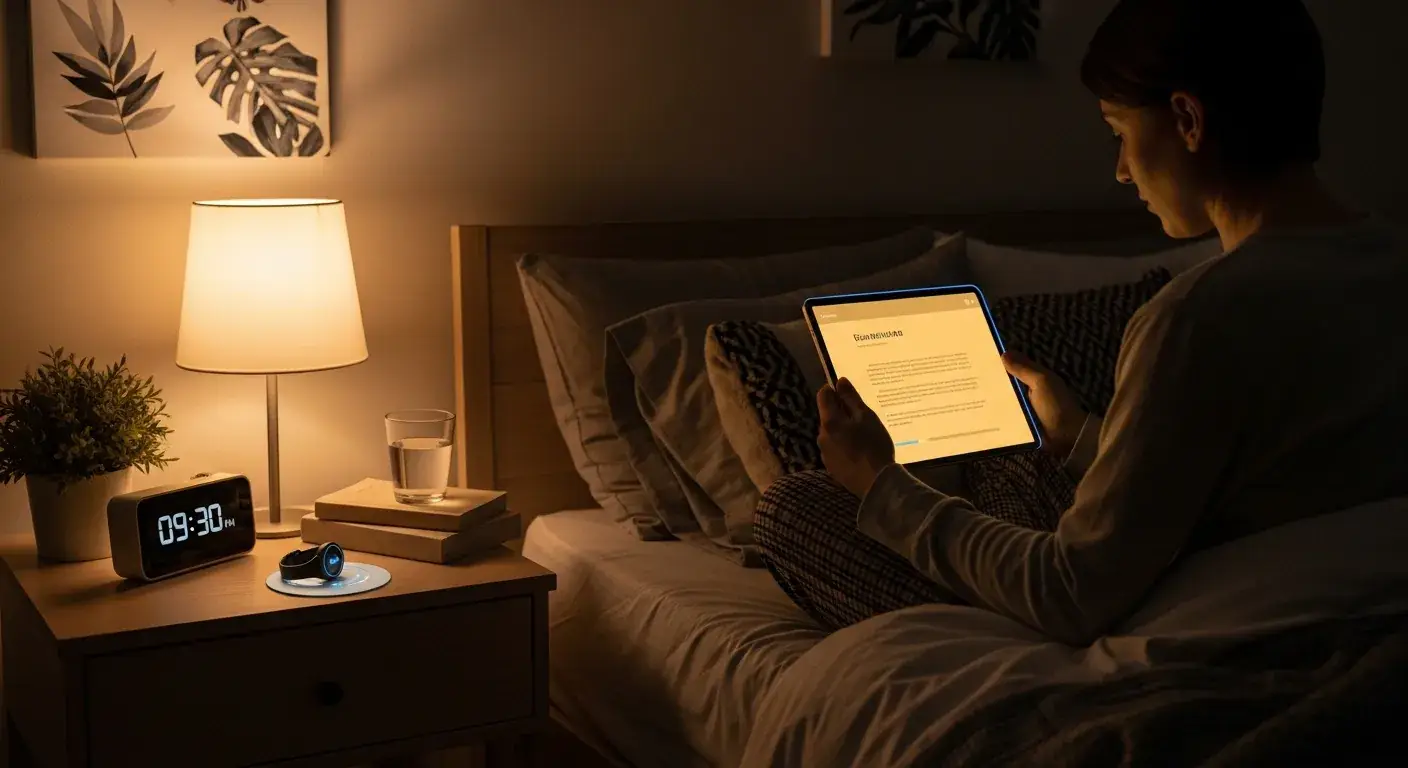
The quest for truly restorative sleep goes far beyond a comfortable mattress and dark curtains. In our fast-paced world, an optimal sleep environment isn't just a luxury; it's a critical component of overall health and well-being. This article delves into advanced strategies, moving past basic sleep hygiene to explore how sophisticated adjustments to your surroundings can profoundly impact your circadian rhythm and sleep quality. We’ll uncover how minute environmental factors influence your body's natural sleep-wake cycle, offering actionable insights to transform your bedroom into a sanctuary for deep, restorative slumber.
Key Points for an Optimal Sleep Environment:
- Dynamic Light Management: Implement smart lighting to mimic natural light cycles, especially crucial for circadian rhythm optimization.
- Precision Temperature Regulation: Utilize smart thermostats and bedding to maintain ideal body temperature throughout the night.
- Advanced Air Quality: Integrate sophisticated air purification and humidity control for a truly clean sleep space.
- Sound Engineering & Noise Cancellation: Employ white noise generators and soundproofing for undisturbed rest.
- EMF Mitigation: Consider strategies to reduce electromagnetic field exposure for sensitive individuals.
Mastering Light: The Cornerstone of Circadian Rhythm Optimization
Light is the single most powerful external cue for our internal body clock, making advanced light management indispensable for an optimal sleep environment. Simply turning off lights isn't enough; the quality, intensity, and timing of light exposure profoundly dictate melatonin production and alertness.
Leveraging Dynamic Lighting for Enhanced Sleep
Traditional lighting offers static illumination, but modern smart lighting systems provide unparalleled control. Investing in bulbs that shift color temperature and intensity can dramatically improve your sleep-wake cycle. For example, during the day, cooler, brighter light can enhance focus, while in the evening, gradually dimming, warm, amber-toned light signals to your brain that it's time to wind down. This approach helps your body naturally prepare for sleep, aligning with scientific understanding of light's impact on melatonin.
- Morning Light Boost: Expose yourself to bright, full-spectrum light within an hour of waking to stop melatonin production and boost morning alertness. Specialized light therapy lamps can be highly effective here.
- Evening Light Mitigation: Starting 2-3 hours before bed, switch to dim, red or amber lights. These wavelengths minimize disruption to melatonin synthesis, as highlighted in a 2024 study on light exposure and sleep published by the Journal of Sleep Research. Avoid blue light from screens entirely or use blue light blocking glasses.
- Smart Automation: Program your smart lights to dim gradually in the evening and gently brighten in the morning, creating a personalized sunrise/sunset effect. This gentle transition helps regulate your circadian rhythm, making waking and sleeping feel more natural.
(Internal Link Suggestion: To delve deeper into how light orchestrates your body's internal clock, explore our category on Circadian Rhythm Optimization.)
Temperature's Unseen Influence: Optimizing Your Thermal Environment
Beyond just comfort, your core body temperature plays a pivotal role in initiating and maintaining sleep. A slight drop in core body temperature is a natural signal for sleep onset. Creating a consistently cool yet comfortable optimal sleep environment is crucial.
Precision Climate Control and Sleep-Focused Bedding
The ideal bedroom temperature typically hovers between 60-67°F (15.6-19.4°C). However, individual preferences vary, and the key is maintaining a stable temperature throughout the night. Smart thermostats can learn your sleep schedule and adjust the temperature precisely.
- Layered Bedding Strategy: Utilize breathable, moisture-wicking sheets (like bamboo or Tencel) and blankets made of natural fibers. This allows for flexible temperature adjustment without waking up to change the thermostat.
- Cooling Mattresses and Pads: Advanced mattresses incorporate cooling gel layers or phase-change materials to dissipate heat. Alternatively, cooling mattress pads with active temperature regulation systems can provide personalized thermal control, adapting to your body's needs throughout different sleep stages. This technology is a significant step beyond passive cooling, offering truly dynamic temperature management.
- Ventilation and Airflow: Ensure adequate air circulation. Even a quiet fan can help move air and create a subtle cooling effect, aiding in sleep optimization.
The Unseen Threat: Advanced Air Quality and EMF Mitigation
While often overlooked, the air you breathe and the electromagnetic fields (EMF) in your bedroom can subtly but significantly impact sleep quality. An optimal sleep environment addresses these invisible factors.
Advanced Air Purification and Humidity Control
Indoor air can be more polluted than outdoor air, laden with dust mites, pet dander, mold spores, and volatile organic compounds (VOCs) from furniture or cleaning products. These irritants can lead to congestion, allergic reactions, and disturbed sleep.
- HEPA Air Purifiers: Invest in a high-efficiency particulate air (HEPA) filter system for your bedroom. A 2023 study by the Environmental Health Perspectives Journal indicated that consistent use of HEPA filters can reduce nighttime respiratory symptoms and improve sleep quality for allergy sufferers.
- Humidity Management: Maintain indoor humidity levels between 40-60%. Too dry, and you risk nasal irritation and static; too humid, and you invite mold and dust mites. A smart humidifier or dehumidifier can regulate this automatically, creating a more respiratory-friendly sleep space.
- Natural Ventilation: Regularly air out your bedroom by opening windows, especially during the day, to refresh the air and reduce pollutant buildup.
Reducing Electromagnetic Field (EMF) Exposure
While research on EMFs and sleep is ongoing, some individuals report sensitivity to electromagnetic radiation from electronic devices, Wi-Fi, and power lines. For those concerned, minimizing exposure can contribute to an optimal sleep environment.
- "Digital Sunset": Unplug or turn off Wi-Fi routers at night. Keep cell phones, tablets, and laptops out of the bedroom, or at least far from the bed.
- Bedroom Electronics Audit: Minimize the number of electronic devices plugged in near your bed. If you need a clock, opt for a battery-powered one.
- Shielding Considerations: For extreme sensitivity, specialized EMF-shielding paint or fabric may be considered, though this is a more advanced and less commonly recommended step.
Sound and Silence: Crafting Your Acoustic Sanctuary
Even subtle noises can fragment sleep, preventing you from reaching deeper, more restorative stages. Creating an acoustically optimal sleep environment involves both blocking unwanted sounds and introducing beneficial ones.
Sound Engineering for Uninterrupted Rest
The goal is to create a consistent, low-level sound environment that masks sudden disturbances. This goes beyond simple earplugs.
- White, Pink, or Brown Noise Generators: These devices produce a broad spectrum of sound frequencies that can effectively mask environmental noises like traffic, neighbors, or household sounds. Pink noise, which mimics natural sounds like rainfall, is often cited in recent sleep research (e.g., a 2025 review in Sleep Medicine Reviews) for its potential to deepen slow-wave sleep.
- Soundproofing Solutions: For chronic external noise, consider heavy blackout curtains, draft stoppers for doors, or even professional soundproofing panels. These reduce the overall decibel level entering your bedroom, contributing to restorative sleep.
- Mindful Device Usage: Ensure all devices in your bedroom (clocks, humidifiers, purifiers) operate silently or with minimal, consistent hum. Any intermittent noise is particularly disruptive.
(Internal Link Suggestion: To understand how different sleep stages contribute to your well-being, read our guide on Understanding the Impact of Light on Sleep Cycles.)
Beyond the Basics: Advanced Bedding and Personalized Comfort
While fundamental, the choices of mattress, pillows, and bedding materials can significantly elevate your optimal sleep environment. This isn't just about softness, but about personalized ergonomic support and thermal regulation.
Smart Bedding and Personalized Support
Modern bedding offers features that cater to individual physiological needs, pushing the boundaries of comfort.
- Adaptive Mattresses: Beyond memory foam, some mattresses integrate smart technology that adjusts firmness and support zones based on your body shape, sleeping position, and even changes throughout the night. This personalized ergonomic support can significantly reduce pressure points and improve spinal alignment.
- Pillow Optimization: Pillows are not one-size-fits-all. Experiment with various materials (memory foam, latex, buckwheat) and shapes to find one that supports your neck and head in neutral alignment, whether you're a back, side, or stomach sleeper. A properly aligned spine is key for avoiding discomfort and achieving deep sleep.
- Material Science in Sheets: Explore advanced fabric technologies designed for specific benefits, such as phase-change materials that absorb and release heat to keep you at an ideal temperature, or fabrics infused with copper or silver for antimicrobial properties.
(Internal Link Suggestion: Enhance your understanding of sleep metrics by exploring our article on Leveraging Wearable Tech for Better Sleep Metrics.)
Frequently Asked Questions about Advanced Sleep Environments
How does dynamic lighting impact sleep quality beyond simple darkness?
Dynamic lighting, utilizing smart bulbs that change color temperature and intensity, significantly influences melatonin production and wakefulness. By mimicking natural light cycles—bright, blue-rich light in the morning and dim, amber-toned light in the evening—it helps synchronize your body's natural circadian rhythm. This advanced approach ensures your internal clock receives appropriate light cues, promoting natural sleep onset and enhancing the quality of your deep sleep stages more effectively than mere darkness.
What role does advanced air quality play in creating an optimal sleep environment?
Advanced air quality is crucial for an optimal sleep environment because indoor air pollutants, allergens, and imbalanced humidity can disrupt breathing and trigger allergic reactions, leading to fragmented sleep. Utilizing HEPA air purifiers removes particulates, while smart humidifiers maintain ideal moisture levels, preventing irritation and promoting easier breathing. A clean, balanced air environment reduces physiological stress on your respiratory system, allowing for uninterrupted rest and contributing significantly to sleep optimization.
Can smart home devices truly enhance sleep quality?
Yes, smart home devices can significantly enhance sleep quality by automating and fine-tuning environmental factors. Smart lighting systems can regulate light exposure to support your circadian rhythm, while smart thermostats maintain an ideal temperature throughout the night. White noise machines and air purifiers can also be integrated for consistent sound and clean air. These devices offer precision control and convenience, helping to create a consistently optimal sleep environment tailored to your individual needs, thereby fostering better restorative sleep.
Final Thoughts and Next Steps for Your Sleep Journey
Creating an optimal sleep environment is a continuous journey of refinement, moving far beyond basic comfort to embrace advanced strategies that synchronize with your body's natural rhythms. By focusing on dynamic light management, precision temperature control, advanced air quality, strategic sound engineering, and personalized bedding, you can transform your bedroom into a powerful tool for enhancing sleep quality and overall well-being.
We encourage you to experiment with these advanced techniques and observe their impact on your sleep. Share your experiences in the comments below – what advanced strategy has made the biggest difference for you? For further insights and expert tips on circadian rhythm optimization, consider subscribing to our newsletter for the latest research and product recommendations.
Extend Your Reading and Exploration:
- Future Topic: The intersection of AI and personalized sleep coaching based on real-time biometric data.
- Future Topic: Deep dives into specific sleep disorders and how environmental adjustments can serve as complementary therapies.
- Future Topic: The environmental impact of smart sleep technology and sustainable sleep solutions.