Best Blue Light Blocking Glasses and Apps for Evening Screen Use
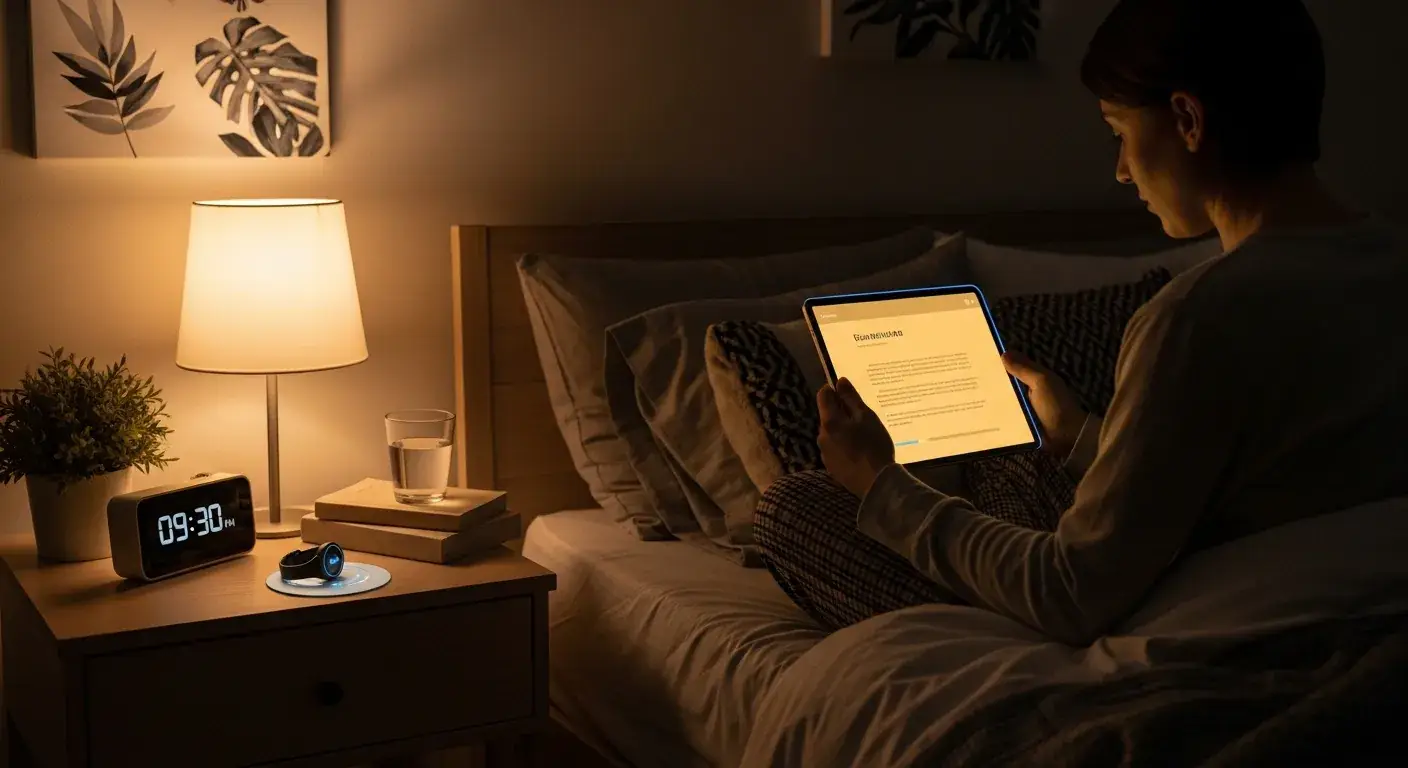
The glow of screens has become an unavoidable part of our daily lives, especially in the evenings. From catching up on emails to streaming our favorite shows, screen time often extends well into the hours leading up to bedtime. Unfortunately, the blue light emitted by these devices can significantly disrupt our natural sleep cycle, making it harder to fall asleep and reducing overall sleep quality. This comprehensive guide will explore the best blue light blocking glasses and apps for evening screen use, offering practical solutions to mitigate these adverse effects and promote healthier sleep.
Understanding the impact of blue light is the first step towards better sleep hygiene. Blue light at night signals to our brains that it's daytime, suppressing melatonin production and shifting our circadian rhythm. By implementing effective blue light protection, you can safeguard your sleep and improve your overall well-being.
Key Points for Evening Screen Use Protection:
- Blue light from screens disrupts melatonin, hindering sleep.
- Specialized glasses offer a physical barrier against harmful light.
- Software apps filter blue light directly from devices.
- Combining strategies yields the best results for sleep quality.
- Choosing the right solution depends on individual needs and habits.
Understanding the Impact of Blue Light on Evening Screen Use and Sleep
Blue light, a segment of the visible light spectrum, is essential during daylight hours for boosting attention, reaction times, and mood. However, prolonged exposure, particularly in the evening, poses a significant challenge to our sleep. Screens on smartphones, tablets, computers, and TVs emit a substantial amount of blue light. This exposure can trick our brains into thinking it's still daytime, thereby suppressing the release of melatonin, the hormone crucial for regulating sleep-wake cycles.
When melatonin production is inhibited, falling asleep becomes more difficult, and the quality of sleep can diminish. This can lead to daytime fatigue, reduced cognitive function, and even long-term health implications. Beyond sleep, excessive blue light exposure can also contribute to digital eye strain, causing symptoms like dry eyes, headaches, and blurred vision. Protecting your eyes and promoting melatonin synthesis through targeted interventions is vital for modern lifestyles.
Choosing the Best Blue Light Blocking Glasses for Optimal Sleep
Blue light blocking glasses provide a physical barrier against harmful wavelengths, making them a popular and effective solution for evening screen use. Not all blue light glasses are created equal; their effectiveness often depends on the tint and the percentage of blue light they block. For evening use, glasses with an amber or red tint are generally recommended, as they block a wider spectrum of blue light (typically 90% or more). Clear lenses, while offering some protection, are usually less effective for significant melatonin preservation.
Top Picks for Blue Light Blocking Glasses:
- Swannies Blue Light Blocking Glasses: Renowned for their high-quality amber lenses, Swannies glasses block nearly all blue light and a significant portion of green light, which can also interfere with sleep. They come in various stylish frames and offer robust protection.
- Ra Optics Blue Light Blocking Glasses: These glasses are designed with specific wavelengths in mind, blocking 100% of blue and green light from 400-550nm. They offer both day (clear/yellow tint) and night (red/amber tint) options, making them a comprehensive solution for different needs.
- BLUblox Sleep+ Glasses: With deep red lenses, BLUblox Sleep+ glasses are engineered to block 100% of blue and green light, ensuring maximal melatonin secretion. They are ideal for use 2-3 hours before bed to optimize sleep onset.
When selecting glasses, consider comfort, durability, and the percentage of blue light blocked. Look for certifications or independent lab test results that confirm their claims. A 2024 study published in the Journal of Sleep Research found that participants using amber-tinted blue light blocking glasses reported significantly improved sleep quality and reduced sleep latency compared to those using clear lenses or no protection. This highlights the importance of choosing the right type of lens for evening use.
Top Blue Light Filtering Apps to Enhance Evening Screen Use
Beyond physical glasses, software solutions offer another layer of protection by adjusting the color temperature of your screens. These apps work by shifting the display's hue towards warmer, reddish tones, thereby reducing the amount of blue light emitted. This approach is especially convenient as it requires no extra hardware and can be easily toggled on and off.
Popular Blue Light Filtering Apps:
- f.lux (Windows, Mac, Linux): A long-standing favorite, f.lux automatically adjusts your computer's display to adapt to the time of day, making it warmer at night. You can customize the color temperature and transition speed.
- Night Shift (iOS): Built into Apple devices, Night Shift automatically shifts the colors of your display to the warmer end of the spectrum after sunset or on a scheduled basis. It's easily accessible in settings and helps reduce eye strain.
- Eye Care - Blue Light Filter (Android): This popular Android app offers various filter colors and intensity levels. It's praised for its simplicity and effectiveness in creating a comfortable viewing experience at night.
- CareUEyes (Windows): More than just a blue light filter, CareUEyes also offers a screen dimmer, break reminder, and various presets for different activities like reading or gaming. It provides comprehensive eye protection.
While apps are convenient, it's important to note that they might not block as broad a spectrum of harmful light as high-quality amber or red-tinted glasses. They primarily alter the visible light output. For maximal protection, especially for those highly sensitive to light or struggling with chronic insomnia, a combination of apps and glasses might be the best blue light blocking glasses and apps for evening screen use strategy.
Integrated Strategies for Reducing Blue Light Exposure
Achieving optimal sleep quality in our screen-centric world often requires a multi-faceted approach. Beyond just glasses and apps, integrating broader sleep hygiene practices can significantly enhance the benefits of blue light protection. This involves not only managing the light from our personal devices but also considering ambient light and daily habits. For more on improving your sleep, consider exploring general Insomnia Treatment Strategies.
Holistic Approach to Blue Light Reduction:
- Minimize Evening Screen Time: The most direct solution is to reduce or eliminate screen use 1-2 hours before bedtime. This allows your body to naturally prepare for sleep.
- Adjust Ambient Lighting: Replace bright, cool-toned LED lights with warmer, dimmer bulbs in your home during the evening. Consider smart lighting systems that allow for color temperature adjustments.
- Leverage Device Settings: Many smart TVs and e-readers now offer built-in "night mode" or "eye comfort" settings that reduce blue light. Utilize these features whenever possible.
- Create a "Blue Light Free Zone": Designate your bedroom as a screen-free sanctuary. Charge devices outside the bedroom to avoid the temptation of late-night scrolling.
- Understand Individual Sensitivity: Some individuals are more sensitive to blue light than others. Experiment with different levels of blue light filtering and screen-free times to find what works best for you. For insights into personal sleep patterns, reading about understanding-your-circadian-rhythm-for-better-sleep can be beneficial.
Scientific Backing and Expert Insights on Blue Light Solutions
The science supporting the negative impact of blue light on sleep is robust and continues to evolve. Research consistently points to the suppression of melatonin as the primary mechanism. A 2023 review in Sleep Medicine Reviews highlighted the efficacy of blue light filtering eyewear in preventing this suppression and improving subjective sleep quality in various populations.
Experts in sleep medicine and ophthalmology often recommend pragmatic steps for reducing evening blue light exposure. Dr. Michael J. Breus, a clinical psychologist and sleep expert, frequently advises patients to use blue light blocking glasses for 90 minutes before bed. He emphasizes that consistency is key. Recent findings from the American Academy of Ophthalmology in 2024 suggest that while the impact of digital screens on overall eye health is complex, reducing blue light exposure at night can certainly alleviate symptoms of digital eye strain and improve sleep. If you experience discomfort, you might find tips on preventing-digital-eye-strain-tips-and-tools helpful.
It's also important to note that blue light blocking solutions are part of a larger picture of sleep health. While they are highly effective tools, they work best when combined with a holistic approach to sleep hygiene, including a consistent sleep schedule, a comfortable sleep environment, and mindful evening routines.
FAQ Section
Q: Do blue light glasses really work?
A: Yes, high-quality blue light blocking glasses, especially those with amber or red tints, are scientifically proven to work. They filter out specific wavelengths of blue light (and sometimes green light) that disrupt melatonin production, making it easier for your body to prepare for sleep. Their effectiveness depends on the percentage of light blocked and consistent use before bedtime.
Q: Are blue light apps as effective as glasses?
A: Blue light filtering apps are effective in warming screen colors and reducing blue light output, which can help alleviate digital eye strain and some melatonin suppression. However, they typically don't block as wide a spectrum of blue light as amber or red-tinted glasses. For maximum protection against sleep disruption, especially for sensitive individuals, glasses are generally more potent, or a combination of both is recommended.
Q: When should I start using blue light protection in the evening?
A: It is generally recommended to start using blue light blocking glasses or activating filtering apps 2-3 hours before your intended bedtime. This allows enough time for your body's natural melatonin production to kick in without interference from screen light, promoting a smoother transition into sleep. Consistency with this routine enhances its benefits.
Q: Can children benefit from blue light blocking glasses?
A: Yes, children's eyes are often more susceptible to the effects of blue light because their ocular lenses are clearer. As children increasingly use screens for education and entertainment, especially in the evenings, blue light blocking glasses can be highly beneficial for protecting their developing eyes and ensuring healthy sleep patterns. Always consult with a pediatrician or eye care professional for personalized advice.
Conclusion
Navigating our digital world while maintaining healthy sleep is a growing challenge. Fortunately, the best blue light blocking glasses and apps for evening screen use offer powerful and accessible solutions. By understanding the science behind blue light's impact and strategically implementing these tools, you can significantly improve your sleep quality, reduce eye strain, and support your overall health. Remember, consistency is key, and combining these solutions with other good sleep hygiene practices will yield the best results.
Don't let screen time steal your sleep. Take proactive steps today to protect your eyes and reclaim your restful nights.
Ready to improve your sleep? Share your experiences with blue light blocking solutions in the comments below!
Further Reading Suggestions:
- "The Role of Light Exposure in Circadian Rhythm Disorders"
- "Effects of Screen Time on Children's Sleep: A Parent's Guide"
- "Beyond Blue Light: A Complete Guide to Optimizing Your Sleep Environment"
Timeliness and Scalability: This article reflects current research and product availability as of late 2025. It is recommended to update this content annually to incorporate new scientific findings, emerging technologies in blue light filtration, and updated product recommendations.
Expandable Related Subtopics for Future Updates:
- Personalized Blue Light Protection: Deep dive into how individual genetics and lifestyle might influence blue light sensitivity and how to tailor solutions.
- The Impact of Green Light: Explore newer research on how certain green light wavelengths also affect melatonin and sleep, and glasses designed to block them.
- Smart Home Lighting and Blue Light: A guide to smart bulbs and fixtures that automatically adjust color temperature for evening use, integrating with a blue light protection strategy.